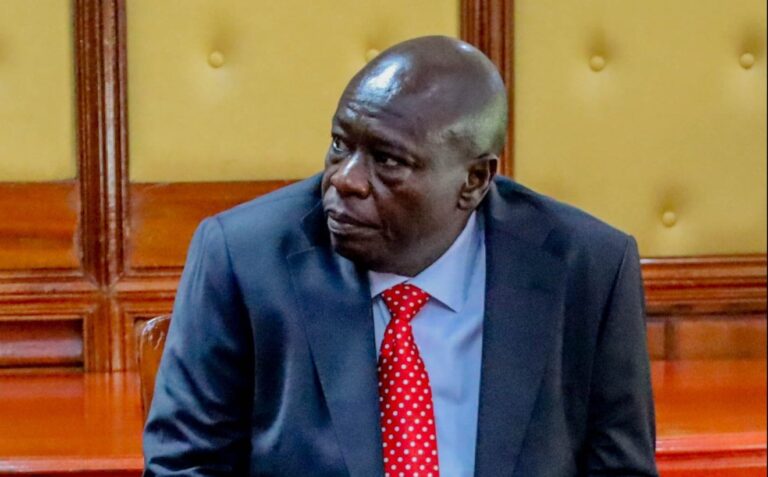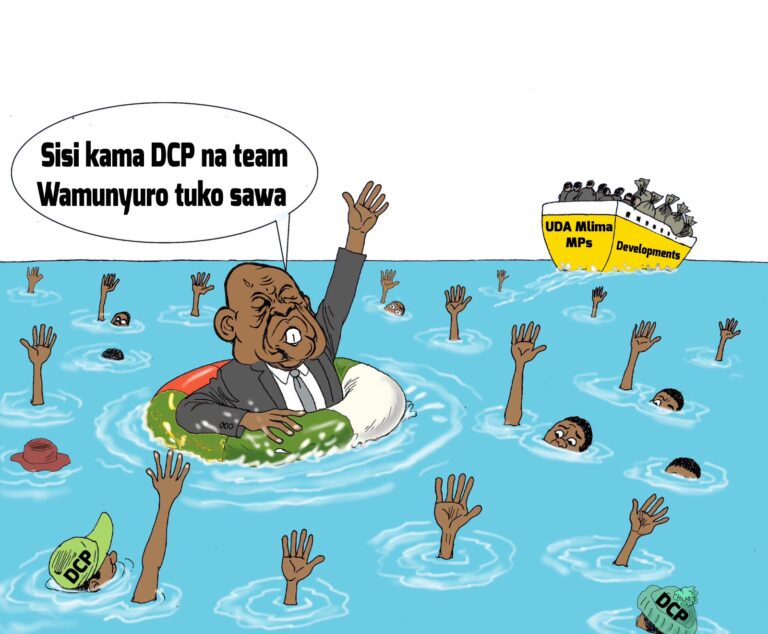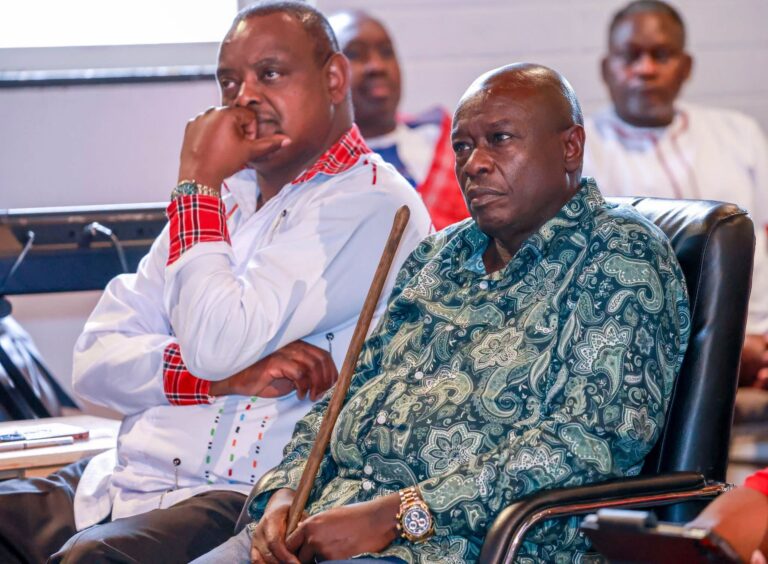
The reported fallout between Rigathi Gachagua and Cleophas Malala within DCP should not surprise anyone who has closely followed Gachagua’s political journey. In fact, it follows a familiar pattern that has defined many of his political relationships over the years.
Leadership is not measured by how loudly one speaks or how passionately one mobilizes supporters. It is measured by the ability to build institutions, manage competing interests, maintain discipline, and keep talented people working toward a common goal. On these measures, Gachagua has consistently struggled.
Successful political parties require organization, consultation, compromise, and trust. They are built through teamwork. Yet Gachagua’s political style has often been criticized as confrontational, highly personalized, and centered around loyalty to an individual rather than commitment to a shared vision. Such an approach may attract crowds, but it rarely builds durable institutions.
This is why disagreements around him frequently become public spectacles. Instead of strengthening structures, conflicts tend to revolve around personalities. Instead of expanding coalitions, relationships deteriorate. Instead of building consensus, divisions deepen.
For those hoping DCP will emerge as a strong and stable political alternative, recent events should be a cause for reflection. A political movement cannot succeed if it is constantly consumed by internal wrangles and leadership disputes.
Within the broader opposition, there are parties with established structures, experienced leadership, and a proven record of surviving political storms. Whether one looks at Jubilee, Wiper, PLP, or DAP-K, these organizations have demonstrated a greater capacity for institutional survival than movements built around a single personality.
Many supporters may dismiss these concerns today, driven by emotion and political excitement. That is their right. But politics has a way of rewarding reality over rhetoric. As events continue to unfold, more people may come to appreciate that effective leadership is not about generating headlines—it is about building organizations that can outlive the leader himself.
About the Author