The steady stream of political leaders visiting Rigathi Gachagua’s Wamunyoro residence raises a fundamental question: is Kenya’s opposition building a democratic coalition, or is it gradually revolving around one man?
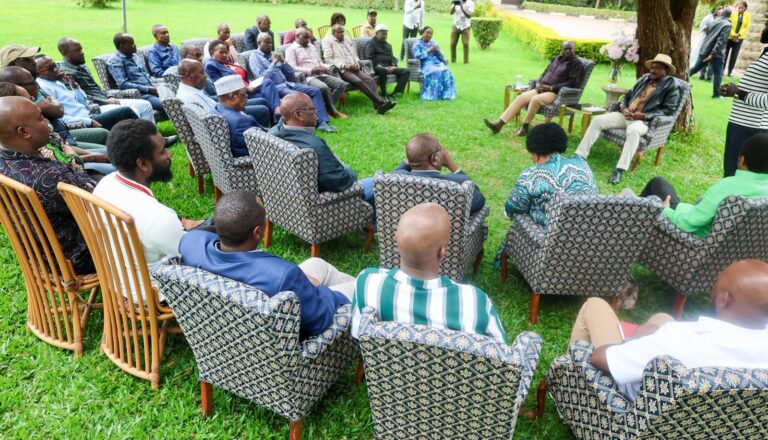
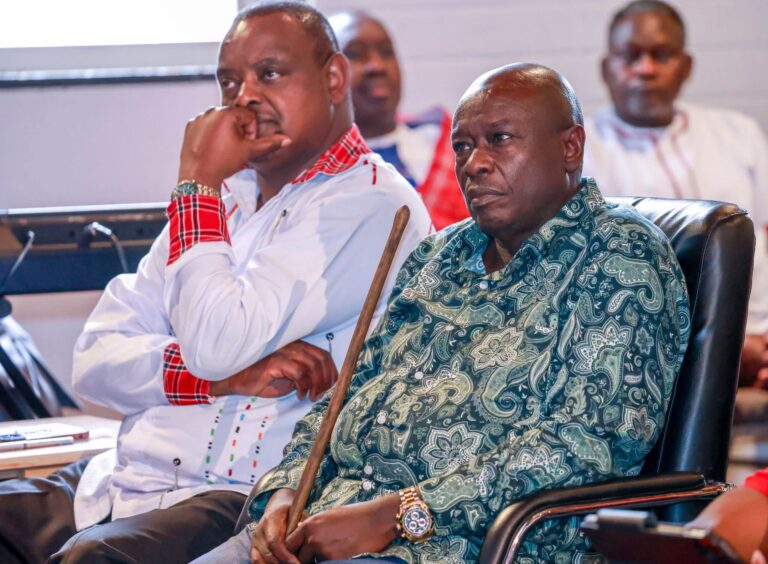
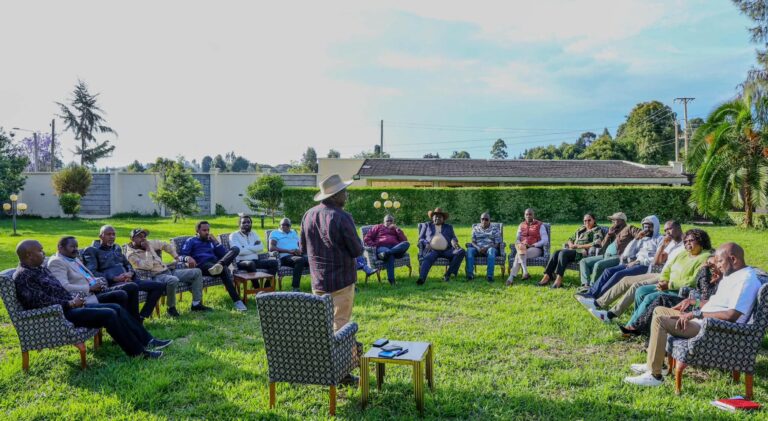
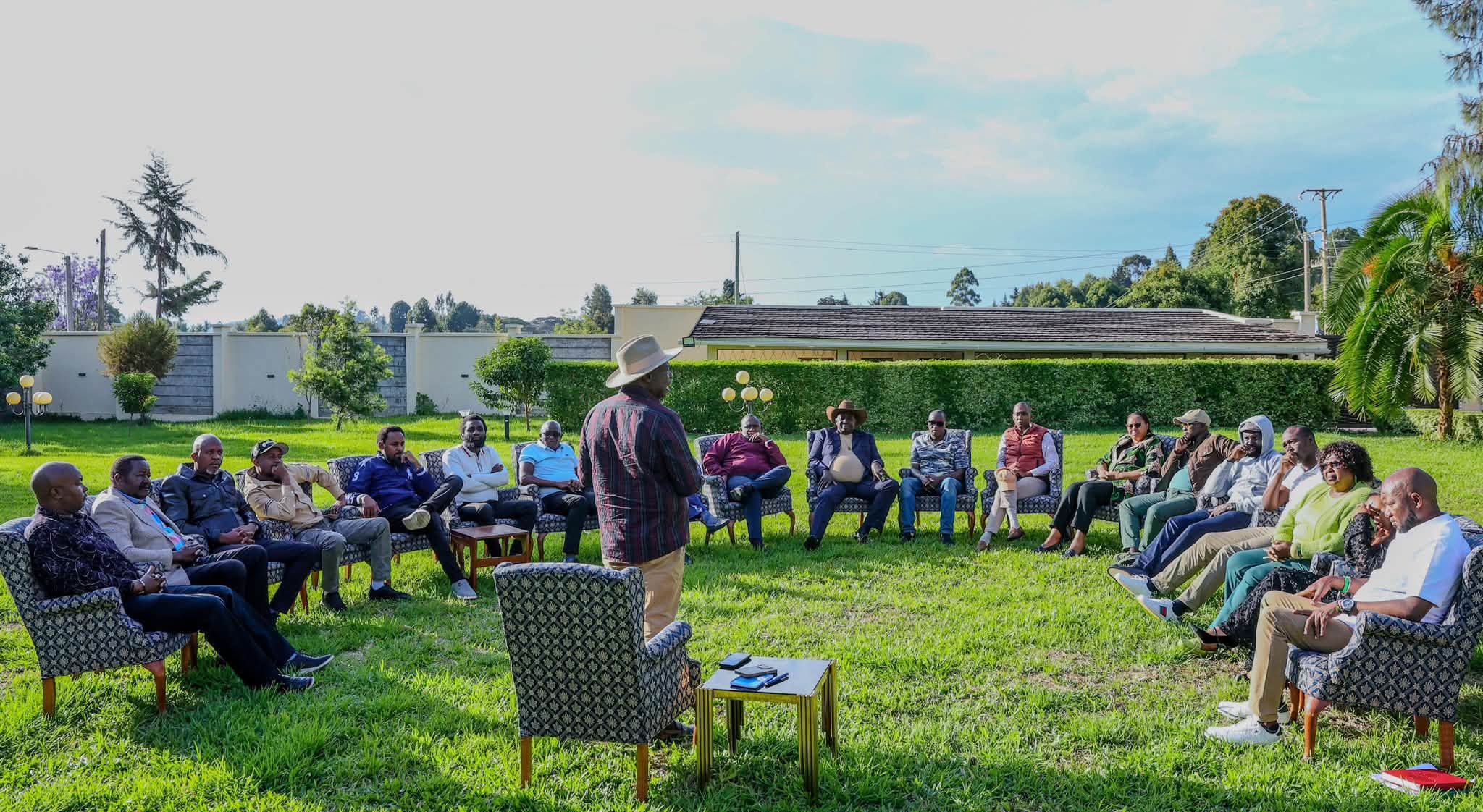
On October 26, 2026, Wiper leader Kalonzo Musyoka held talks with Gachagua in Nyeri, followed by DAP-K leader Eugene Wamalwa and members of the Luhya Council of Elders. The discussions reportedly touched on opposition unity, electoral timelines and the search for a joint presidential candidate ahead of the 2027 General Election. .
Political consultations are necessary. But the manner in which they are conducted matters just as much as their stated objectives.
Why must the road to opposition unity increasingly pass through one man’s private residence?
There is nothing inherently wrong with Gachagua hosting fellow politicians. The concern emerges when one individual’s home appears to become the principal venue for negotiating the country’s political future. Such an arrangement risks elevating personal influence above party institutions, collective decision-making and transparent coalition-building.
Kenya has seen the consequences of political patronage: leaders gather around influential individuals, alliances are built on personal loyalty, and political interests take precedence over clear policy commitments. When circumstances change, these alliances often fracture because they were never anchored in strong institutions.
The opposition cannot afford to repeat this mistake.
There is also a legitimate concern about the culture that develops when political leaders are expected to demonstrate allegiance to a central figure before their interests can be accommodated. If loyalty becomes more important than ideas, and proximity to an individual becomes a measure of political relevance, coalition politics risks acquiring the characteristics of a personality cult. The meetings at Wamunyoro alone do not prove such a culture exists, but the opposition should guard against its emergence.
More importantly, Kenya’s opposition is not the property of any one leader. Kalonzo Musyoka, Eugene Wamalwa and other political figures lead parties with their own histories, supporters and national ambitions. They must negotiate as equals, not as visitors seeking political blessings.
A credible coalition needs published principles, agreed decision-making procedures, transparent candidate-selection rules and respect for every participating party.
The test of opposition unity is not how many leaders visit Wamunyoro. It is whether they can build institutions strong enough to function without depending on Wamunyoro.
If the opposition is serious about offering Kenyans an alternative in 2027, it must demonstrate that its unity is founded on democratic principles, accountability and a shared national programme.
Otherwise, the search for one political centre of influence could undermine the very unity it claims to create.
About the Author