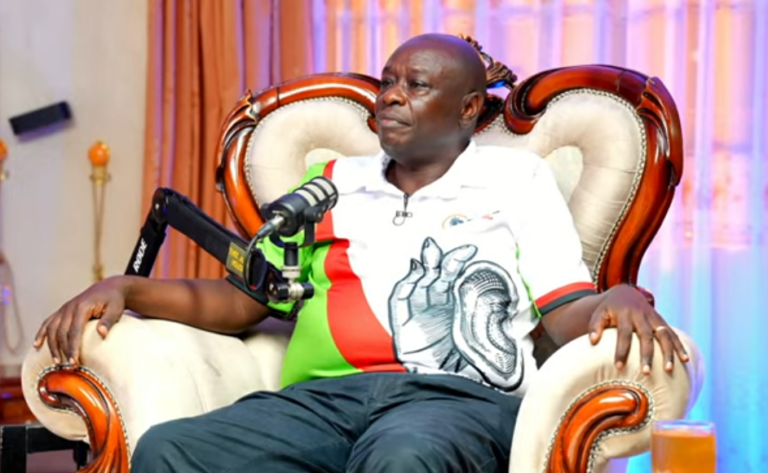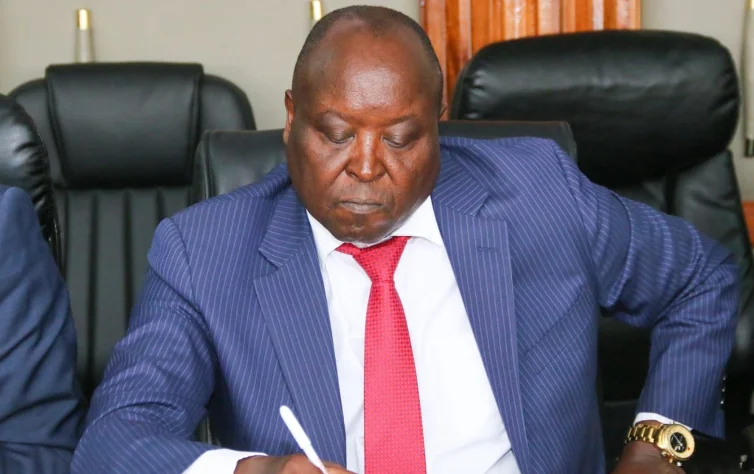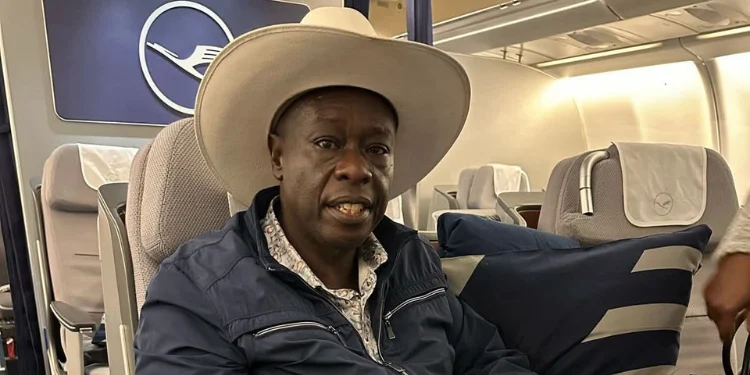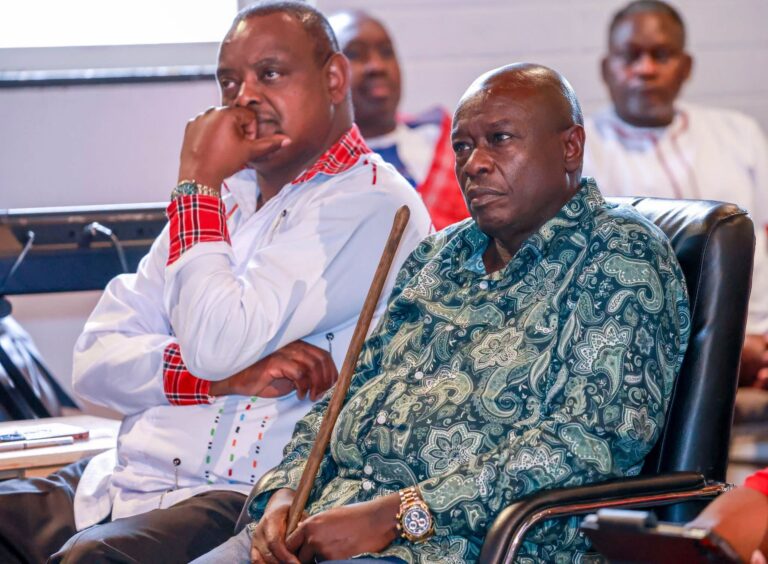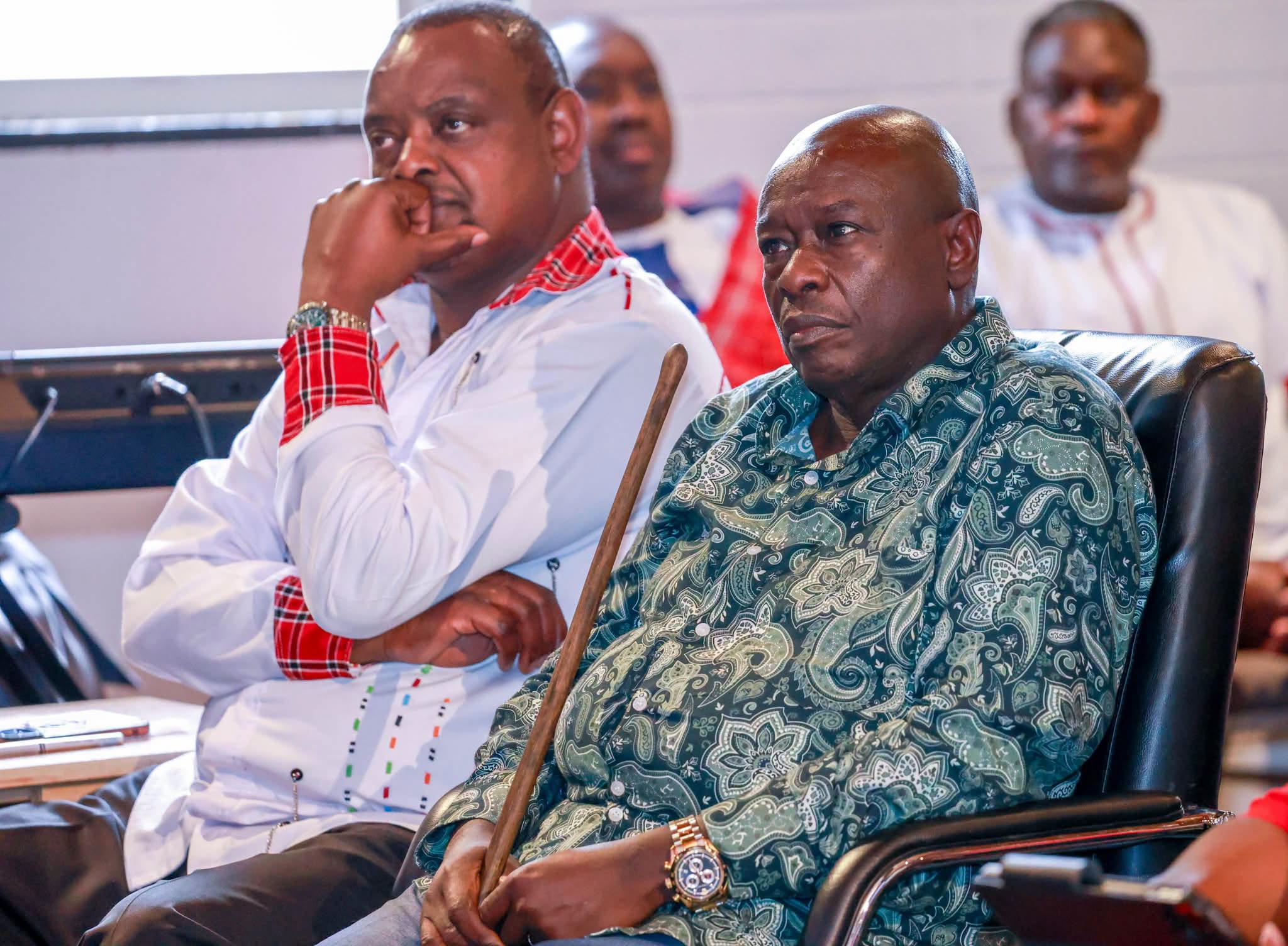
Rigathi Gachagua, the DCP party leader, is facing growing criticism over what opponents describe as a brand of politics where loyalty is rewarded with praise, but independence can quickly turn a former ally into an enemy.
The pattern has been seen before.
When Hon. Gathoni Wamuchomba HSC, MP stood with Gachagua during his impeachment battle, he praised her repeatedly. She was portrayed as brave, loyal and principled. But when she later leaned towards former Interior CS Fred Matiang’i, the tone changed. The woman once celebrated as a loyal ally was suddenly branded a mole.
Ndindi Nyoro appears to be experiencing a similar political turnaround.
When Nyoro strongly supported Gachagua’s bid to become President William Ruto’s running mate, Gachagua spoke highly of him. Nyoro was described as one of the country’s brightest young leaders and a man who could be trusted with Kenya’s economy.
Today, the relationship is completely different.
Nyoro is being attacked and accused of betrayal largely because he has chosen to pursue his politics through a different political outfit.
This raises a simple question: Does Gachagua want political allies, or does he want political followers?
Critics say his politics appears to leave little room for independent thinking. You are a good leader when you agree with him, but the moment you take a different position, you risk being labelled a traitor, a mole or an enemy.
That should worry even those currently closest to him.
Politics is never permanent. Leaders grow, alliances change and politicians make different choices depending on the interests of their communities and the country. A political leader who cannot tolerate disagreement risks turning every former ally into a future opponent.
Nyoro’s case is particularly interesting because he represents a younger generation of leaders who want the freedom to build their own political networks.
The bigger battle, therefore, may not simply be between Gachagua and Nyoro. It is about the kind of political culture Mt Kenya wants going into 2027.
One built around unquestioning loyalty — or one where leaders can disagree without becoming enemies.
For Gachagua, the real test of leadership may not be how he treats those who praise him, but how he treats those who choose to walk a different political path.
About the Author