A declaration by DCP deputy leader Cleophas Malala has exposed growing tensions over the opposition’s 2027 presidential ticket, prompting Kalonzo Musyoka to seek clarity from Rigathi Gachagua.
NAIROBI — The latest disagreement within Kenya’s opposition began with a meeting at Wamunyoro and escalated into a political dispute over who should lead the coalition in the 2027 General Election.
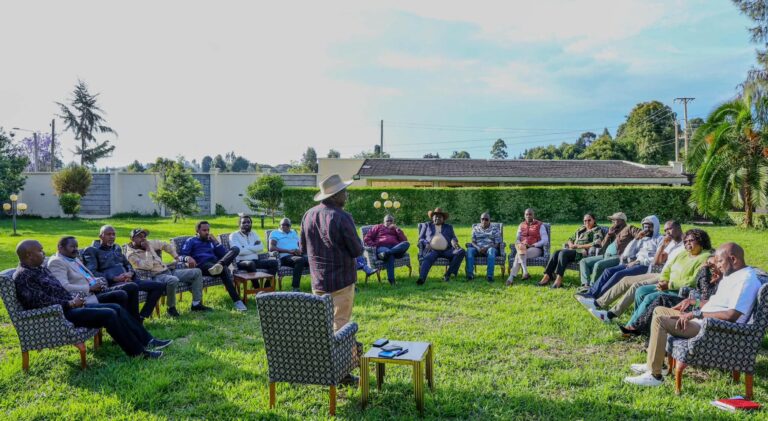
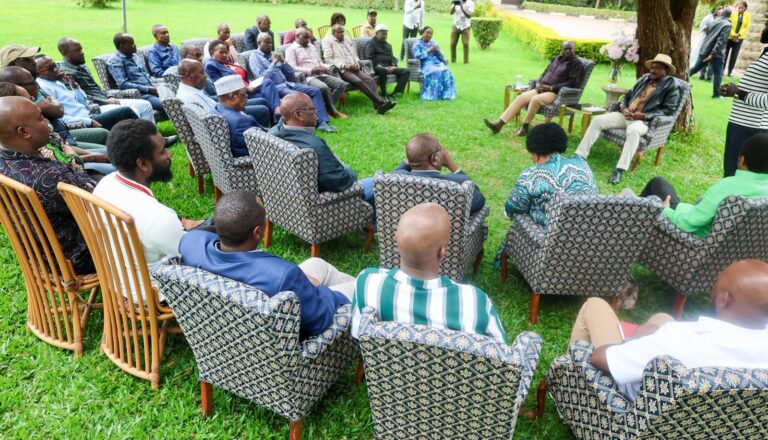
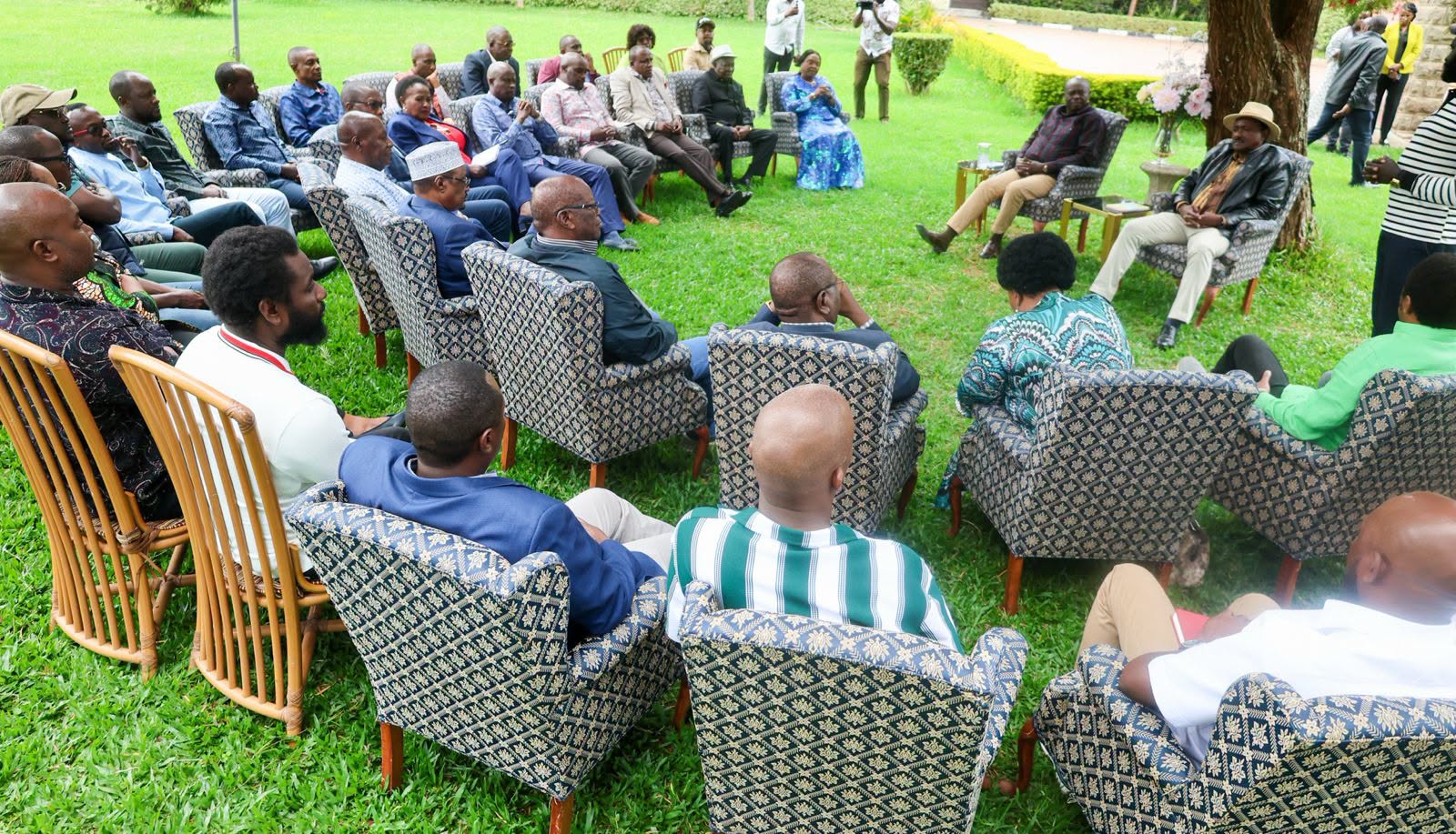
On October 20, former Deputy President Rigathi Gachagua hosted Nairobi Senator Edwin Sifuna and leaders associated with the Linda Mwananchi movement at his Nyeri residence. The meeting sparked speculation about a possible political alliance between Gachagua’s Democracy for the Citizens Party (DCP) and the Sifuna-led camp.
The speculation intensified on Sunday, October 25, when DCP deputy leader Cleophas Malala publicly declared that his party had settled on Sifuna as its preferred presidential candidate and wanted Wiper leader Kalonzo Musyoka to support the bid.
That announcement raised a sensitive question: had DCP already settled on its preferred candidate before reaching an agreement with other opposition leaders?
For Kalonzo, the statement appeared to complicate ongoing efforts to build a common opposition front. As the leader of Wiper, a party with its own national ambitions, he has a direct interest in how the coalition chooses its presidential candidate and distributes political responsibilities.
Wiper spokesperson Ndegwa Njiru responded sharply, accusing Malala of advancing a divisive narrative that could undermine opposition unity. He also rejected the suggestion that Kalonzo’s planned meeting with Gachagua was simply an opportunity to persuade him to support Sifuna.
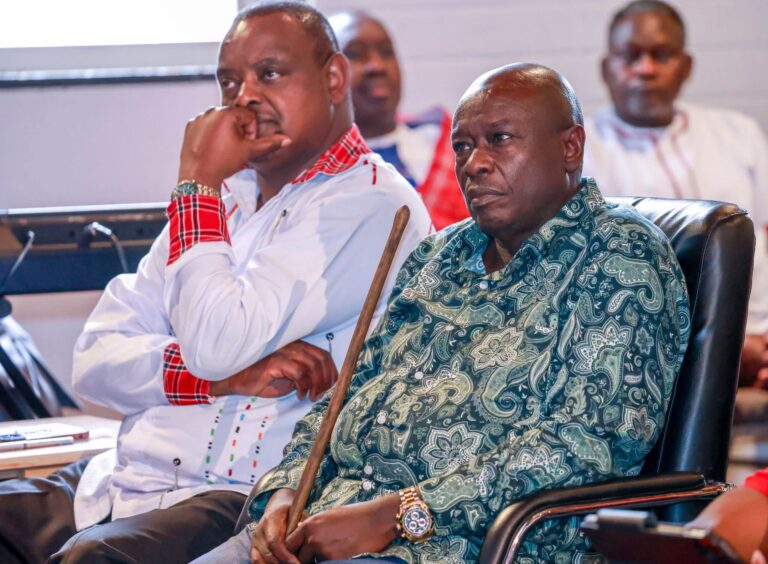
With the disagreement now public, Kalonzo travelled to Wamunyoro on Monday, October 26, to meet Gachagua. The visit provided an opportunity to seek clarification on DCP’s position and establish the way forward.
The meeting came amid growing speculation about a possible Sifuna–John Methu ticket. Its proponents could seek to combine Sifuna’s appeal among younger voters with Methu’s connection to the Mt Kenya region. However, a formal endorsement of that specific pairing has not been publicly confirmed.
The dispute highlights a wider challenge facing the opposition: balancing individual presidential ambitions with the need for a united coalition.
Kalonzo’s concern is not simply who gets the ticket, but whether the decision will emerge from consultations among political partners or from declarations made by individual camps.
As the 2027 contest approaches, the opposition must first agree on the rules of engagement before it can agree on a presidential candidate. The Wamunyoro meeting was another step in that process, but whether it resolved the differences remains unclear.
About the Author