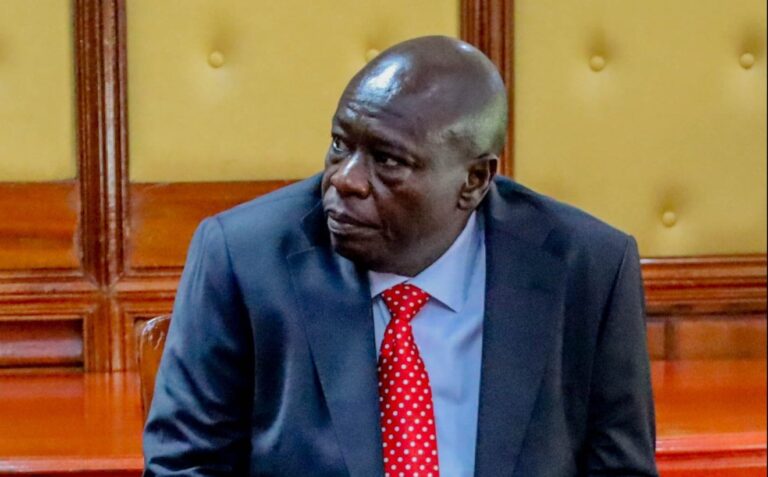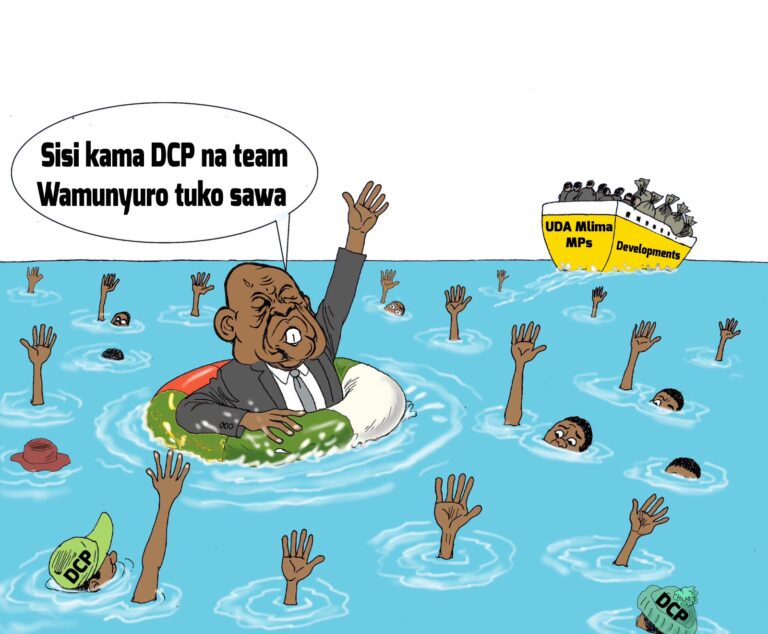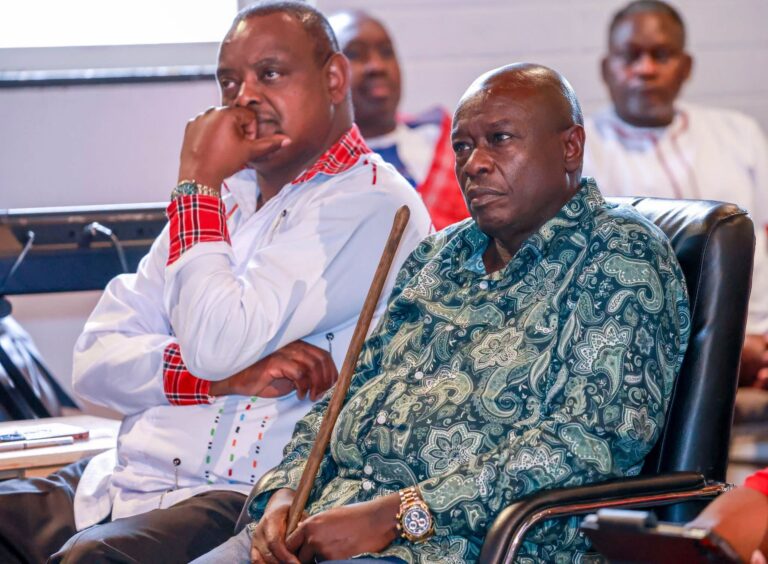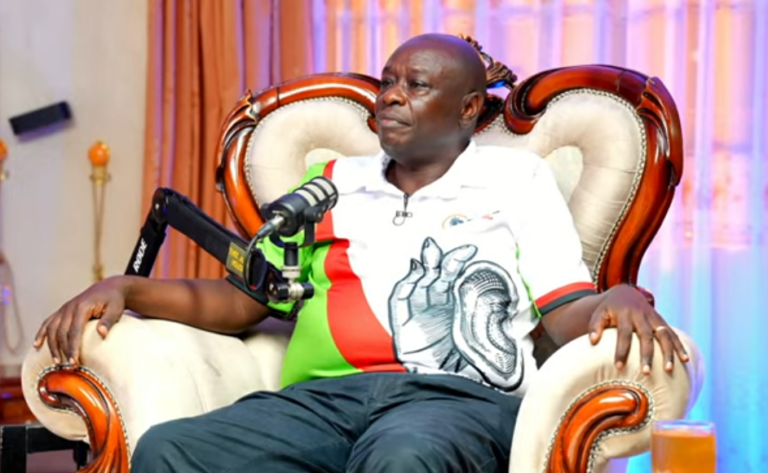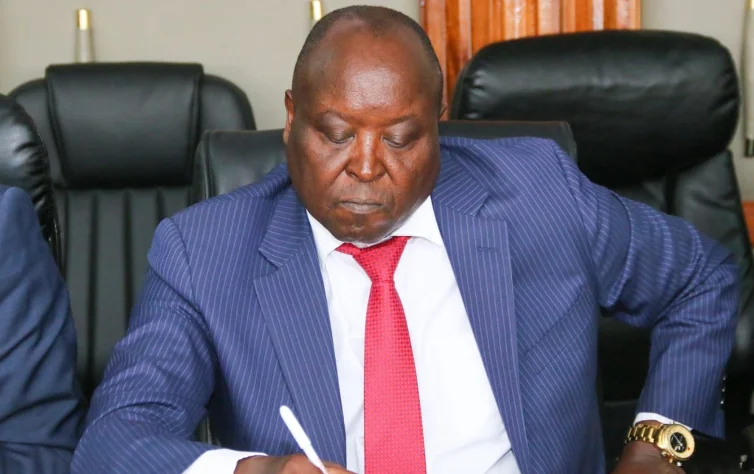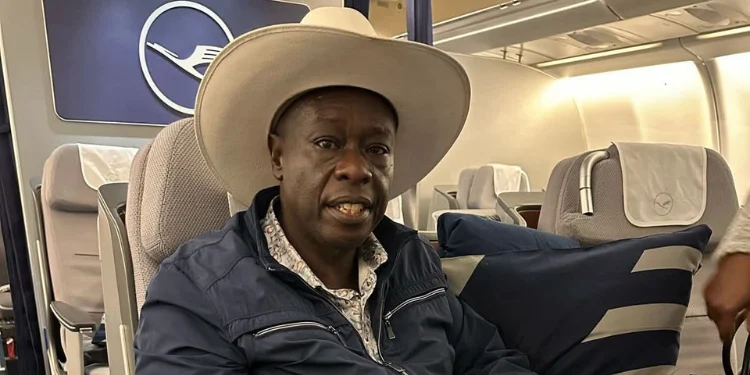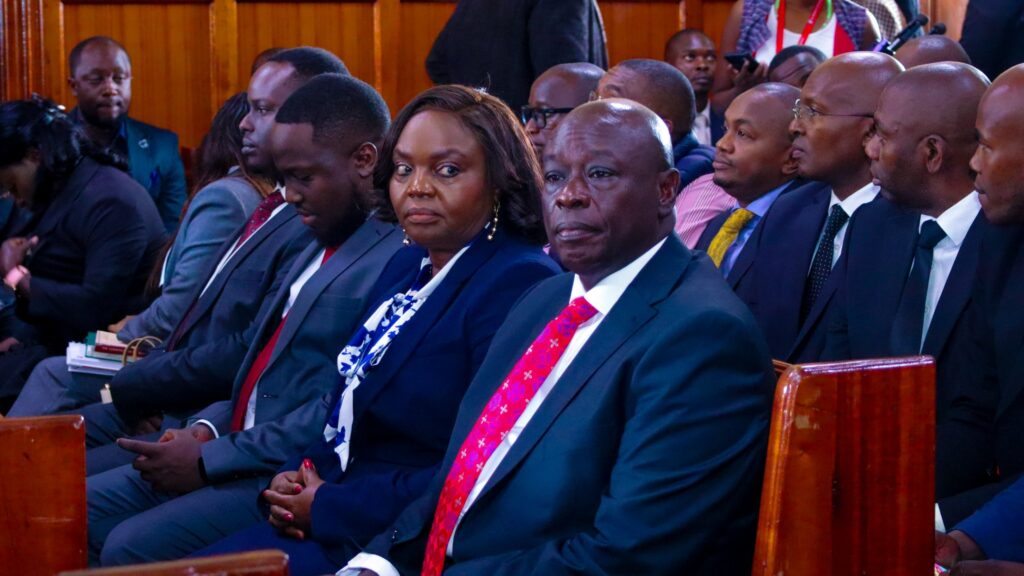
Questions are increasingly being raised within political circles over whether former Deputy President Rigathi Gachagua is the right figure to lead a proposed united opposition, with critics pointing to his political style, messaging, and coalition-building approach as potential obstacles to unity.
Analysts argue that Gachagua’s politics have often been interpreted through a strong regional and identity-based lens, particularly around Mt Kenya dynamics. Critics say that while regional mobilization is a normal feature of Kenyan politics, overreliance on ethnic or bloc-based messaging risks alienating other regions that a united opposition would need to secure a national mandate.
Another concern frequently highlighted is what some political commentators describe as “shareholding politics” within his networks, where influence and decision-making are perceived to be concentrated among close allies and loyalists. Detractors argue that such an approach can create perceptions of exclusivity, limiting internal democracy and discouraging broader participation from potential coalition partners.
His leadership style has also been characterized by some observers as combative and highly confrontational. While supporters view this as firmness and political courage, critics argue that coalition leadership requires compromise, persuasion, and a softer balancing approach—qualities they claim may be difficult to sustain in a broad, multi-party alliance.
Additionally, opponents within opposition-leaning circles suggest that past political disagreements and public exchanges with other leaders could complicate trust-building efforts. They argue that successful opposition unity would require lowering tensions and prioritizing consensus over rivalry.
However, Gachagua’s supporters reject these criticisms, insisting that he remains a strong mobilizer with deep grassroots influence and a clear understanding of regional political dynamics. They argue that his assertive style should be seen as leadership strength rather than division.
As opposition realignment discussions continue, debate over his suitability is expected to persist, particularly as parties weigh the balance between political strength, inclusivity, and national appeal in their search for a unifying leader.
About the Author