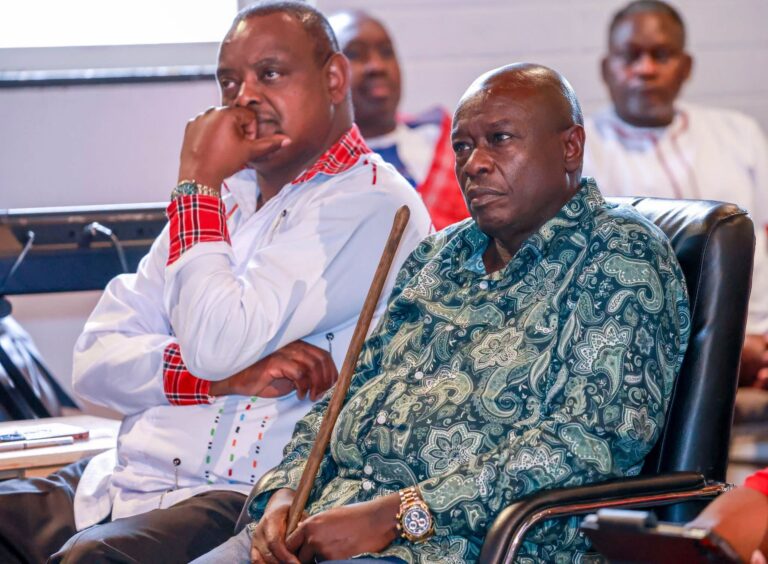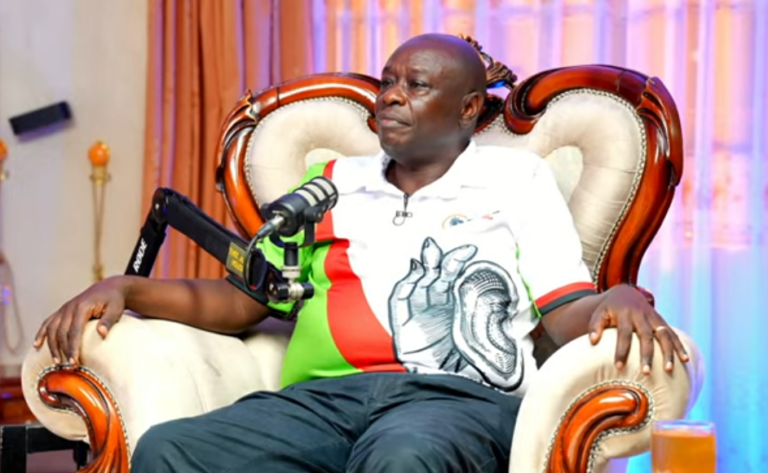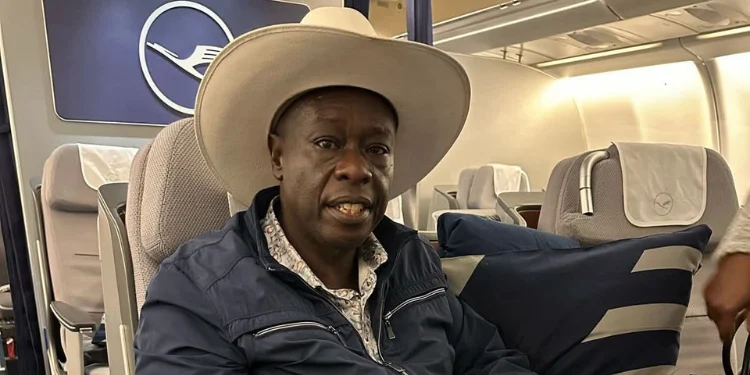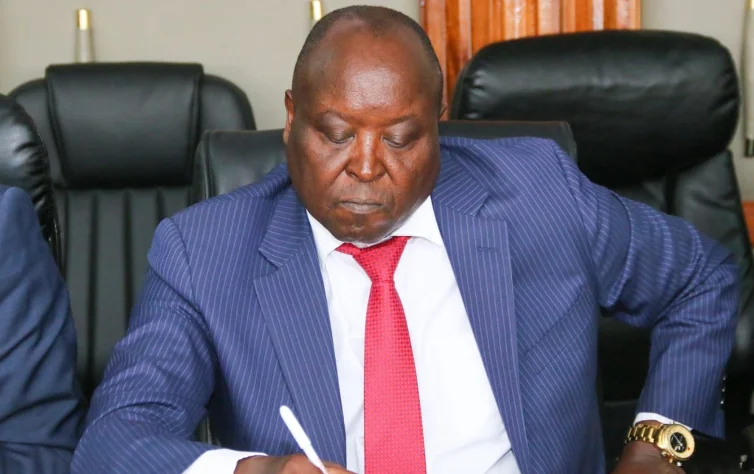
Nakuru Town West MP Samuel Arama has now said what many in Jubilee have been muttering for months: there is no united opposition. What exists is Rigathi Gachagua’s project of systematically weakening every other party while flying the flag of unity.
Arama’s charge is straightforward. Gachagua went to Nakuru not as a partner but as a raider pressuring Jubilee figures to abandon their party for DCP. When resistance appeared, Gachagua labelled Arama a “mole,” demanded that Fred Matiang’i punish him, and framed any pushback as betrayal of the opposition cause. The same pattern has played out in Nairobi, where Jubilee MPs have been peeled off one by one into DCP. Jubilee members are not imagining the threat. Their party is being hollowed out by a man who claims to be sitting at the same table.
This is not coalition politics. It is the 2022 playbook recycled. Then, Gachagua told Mt Kenya to leave Jubilee for UDA in the name of regional unity and victory. The result was the near-collapse of Jubilee’s structures in the mountain. Today he applies the same logic inside the opposition: other parties are useful only until their members can be absorbed into DCP. Those who resist are branded moles, sell-outs, or obstacles.
The damage is deeper than party arithmetic.
When one principal treats partner parties as temporary holding pens for future recruits, aspirants stop investing in ideas, manifestos, or local accountability. The safest path becomes proximity to the dominant personality rather than a programme for citizens. That is how the quality of leadership declines. It is also how trust inside any supposed alliance evaporates.
Matiang’i and Jubilee are left in an impossible position. Publicly they are told they are part of a united alternative government. Privately and on the ground their structures are being undermined by the same people claiming partnership. Other principals who once shared platforms with Gachagua have already drawn boundaries. The message is consistent: Gachagua’s version of unity requires everyone else to shrink so that one party and one man can expand.
A serious opposition builds by strengthening its members, not by cannibalising them. It treats coprincipals as equals, not as obstacles to be neutralised or sources of ready-made candidates. Gachagua’s conduct reveals the opposite instinct. He talks unity while practising extraction. He demands loyalty from others while offering none in return.
Arama’s statement merely makes public what the pattern already shows. The “united opposition” Gachagua invokes is largely a vehicle for his own expansion. Until that changes, the alliance will remain what it has become a stage on which one man weakens everyone else while claiming to lead them
About the Author