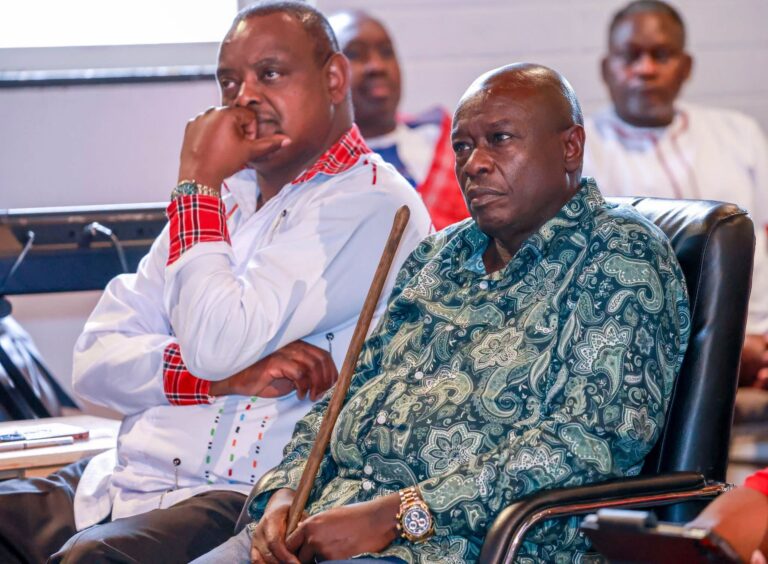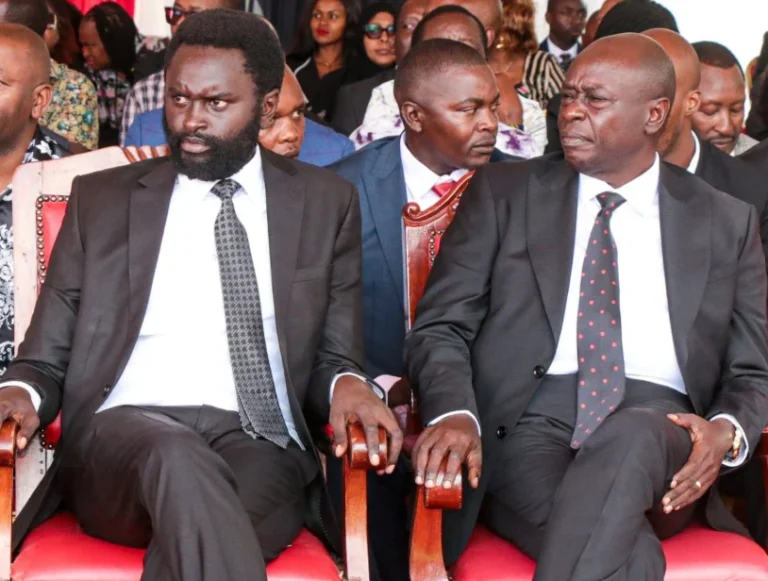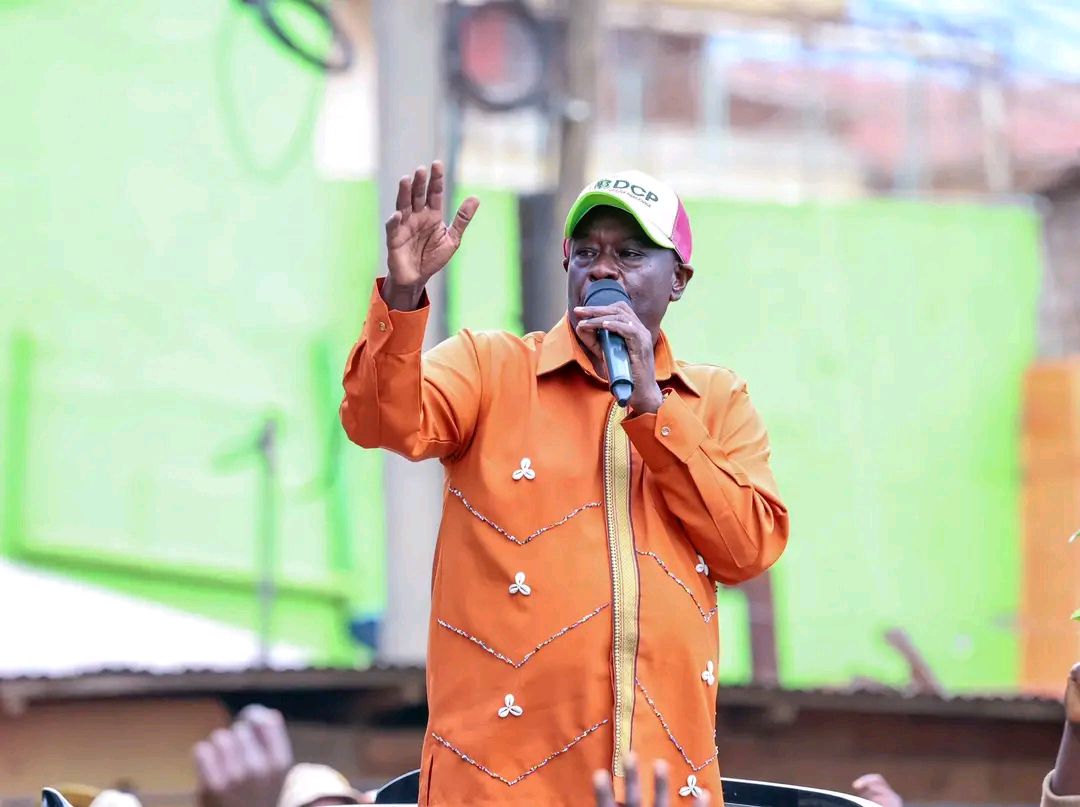
Justin Muturi was once counted among the close associates of Rigathi Gachagua in the post-impeachment opposition space. Today, the Democratic Party leader stood alongside PNU’s Peter Munya and former Embu Senator Lenny Kivuti and drew a firm line in the sand.
They rejected Gachagua’s push for other parties to dissolve and fold into his Democracy for Citizens Party. Muturi made it clear he will not turn DP into an annex of the Wamunyoro shrine. Munya went further, calling on Gachagua to “desist from divisive pronouncements and instead embrace structured dialogue, consultation, and respectful engagement among all like-minded political parties.”
This is not a minor disagreement over strategy. It is a public repudiation of the politics Gachagua has practised since leaving office: the constant demand that everyone else submit to his personal vehicle, the branding of independent leaders as traitors or moles, and the reduction of opposition politics to a Mt Kenya personality cult centred on one man and one home.
Gachagua has spent months positioning DCP as the only legitimate home for those opposed to President William Ruto in the mountain region. He has warned against “confusion,” cautioned other leaders against independent organising, and treated any hesitation to join him as disloyalty. Now the very people who once shared platforms with him are saying no. They are refusing to surrender their parties’ independence. They are rejecting the idea that opposition unity must mean absorption into Gachagua’s project.
The pattern is familiar. Those who once praised him as “Gitungati” are beginning to see what others saw earlier: a politics that thrives on division, personal grievance, and the insistence that only one man can speak for an entire region. When allies start publicly distancing themselves and demanding respectful engagement instead of decrees from Wamunyoro, it is a signal that the project is losing altitude.
Opposition politics requires more than one man’s ego and a private residence turned political headquarters. It requires parties that retain their identity, leaders who can disagree without being labelled sell-outs, and a willingness to put national interest above personal control. Muturi, Munya and Kivuti have now stated the obvious. Gachagua’s response will tell Kenyans whether he is capable of learning that lesson or whether he will simply brand them the next set of traitors.
The isolation is no longer theoretical. It is happening in real time.
About the Author