Politics is often defined not by how many supporters one attracts, but by how many one keeps. Recent developments in the Mt. Kenya political landscape suggest that Rigathi Gachagua’s confrontational approach is beginning to alienate even those who once stood firmly beside him.
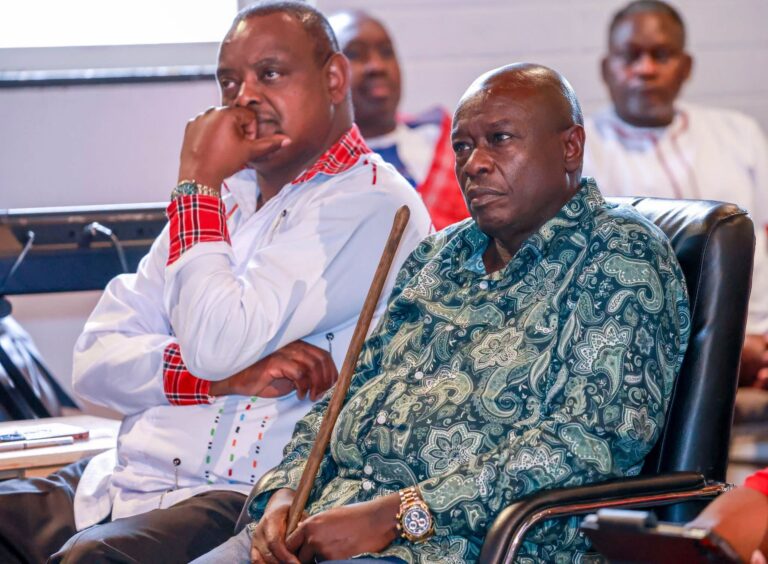
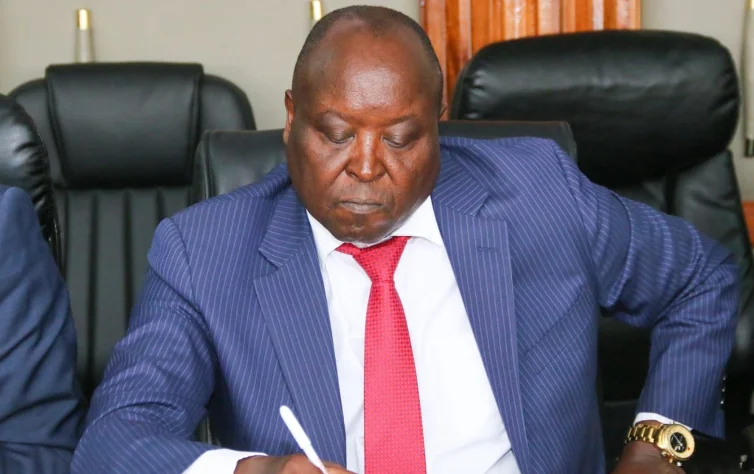
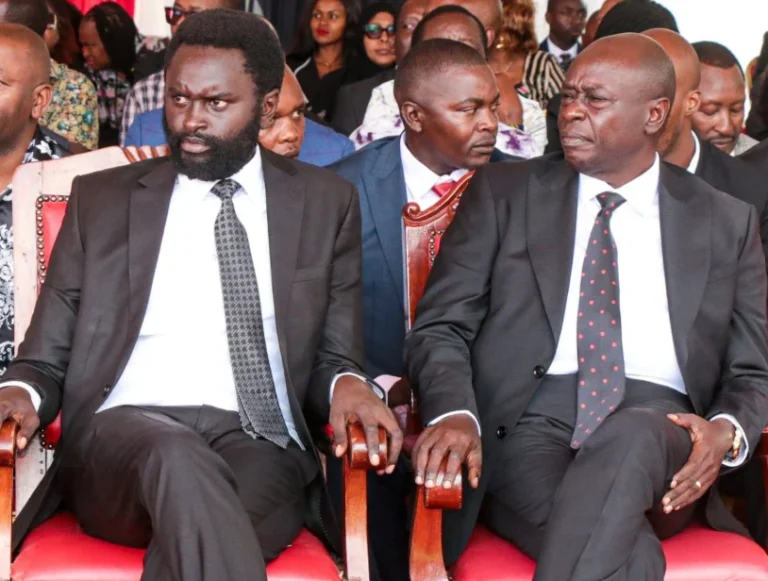
The latest to distance himself is former Public Service Cabinet Secretary Justin Muturi, a leader widely viewed as one of Gachagua’s close political allies. Standing alongside PNU leader Peter Munya and former Embu Senator Lenny Kivuti, Muturi rejected any suggestion that the Democratic Party (DP) would fold to join Gachagua’s political movement. His message was unmistakable: every political party has a right to exist independently and chart its own course.
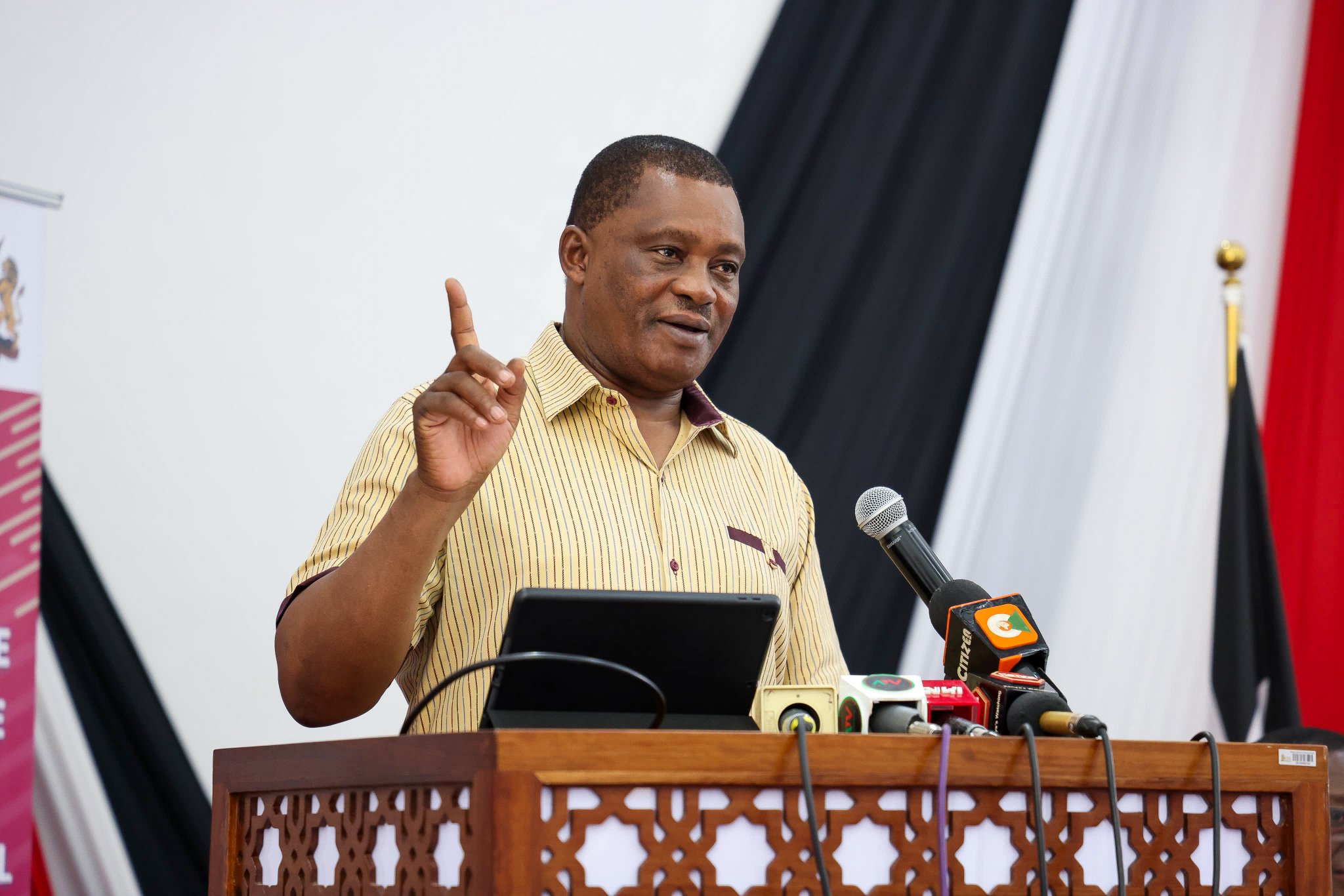
Peter Munya echoed the same concerns, urging Gachagua to abandon divisive pronouncements in favour of dialogue, consultation, and mutual respect among like-minded political parties. His remarks reflected a broader argument that unity cannot be achieved by demanding political conformity or portraying one party as the sole voice of the Mt. Kenya region.
This growing pushback should concern Gachagua. Political leadership requires persuasion, coalition-building, and accommodation of differing views. Attempts to dominate the political space risk creating unnecessary divisions and weakening the very regional unity leaders claim to champion.
The fact that criticism is now emerging from former allies rather than traditional opponents makes it even more significant. It suggests that dissatisfaction is no longer confined to external critics but is spreading within Gachagua’s own political circle.
Whether more leaders will follow Muturi’s lead remains to be seen. However, the signs are becoming increasingly difficult to ignore. As more voices call for respect for party autonomy and inclusive leadership, Gachagua faces a choice: continue down a path many describe as divisive or embrace a more consultative style of politics.
The strength of any political movement lies not in demanding unquestioning loyalty but in earning trust through inclusion, respect, and consensus. Those qualities—not political domination—are what sustain lasting leadership.
About the Author