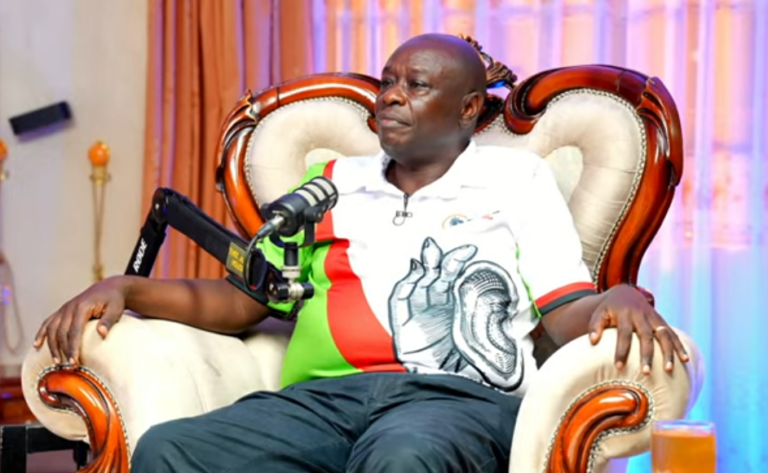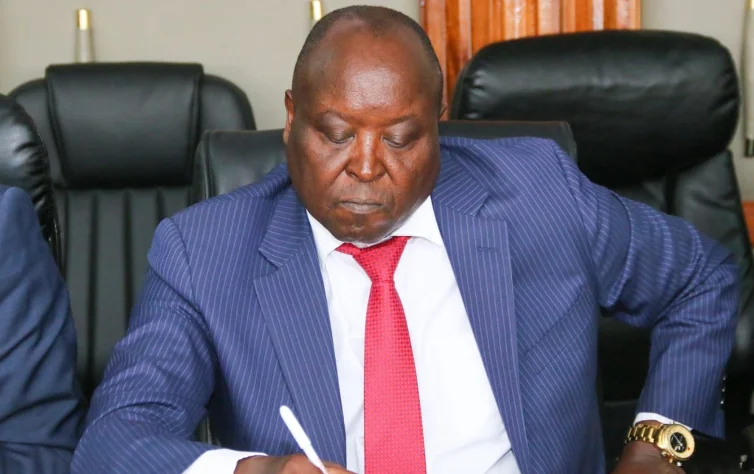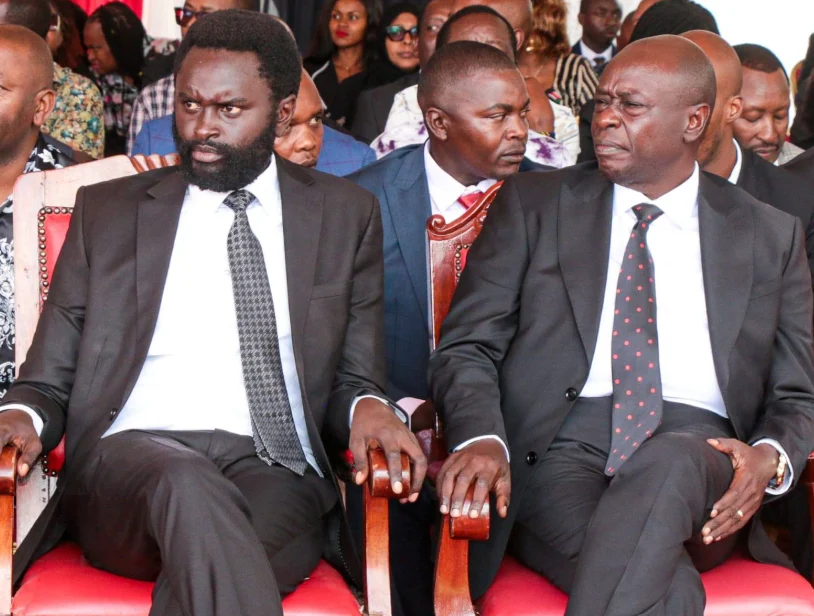
The emerging political contest between former Deputy President Rigathi Gachagua and Kiharu MP Ndindi Nyoro is increasingly shifting from a battle over national alliances to a struggle over who controls political networks on the ground ahead of the 2027 General Election.
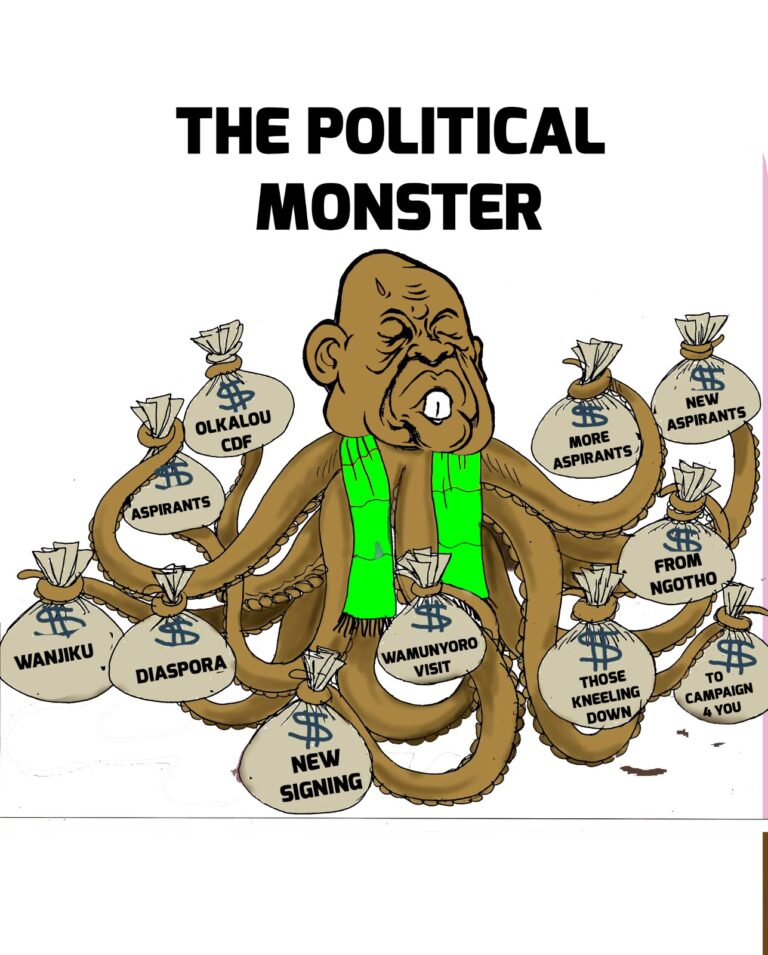
At the centre of the tension is Nyoro’s People’s Party of Kenya (PPK), which has moved quickly to recruit aspirants for elective positions across the country. By early September, the party said it had attracted more than 300 aspirants, including candidates targeting MCA, MP, Senate and gubernatorial seats. The recruitment has been particularly visible in Mt Kenya, but has also extended to counties including Homa Bay, Busia, Kajiado, Marsabit, Bungoma and Migori.
That strategy could have significant implications for Gachagua’s Democracy for Citizens Party (DCP), particularly in Mt Kenya.
The reason is straightforward: presidential politics ultimately depends on networks of elected leaders. Governors, senators, MPs and MCAs provide local political structures, mobilise supporters, shape narratives and influence how parties perform at the grassroots.
Nyoro appears to be building precisely that network.
This helps explain why figures associated with Gachagua have increasingly turned their attention to him. Kiambu Senator Karungo wa Thang’wa has publicly accused Nyoro of having been used to undermine Gachagua while he was Deputy President and has questioned Nyoro’s role in the opposition. Those are Thang’wa’s allegations, not established facts.
The political significance, however, is difficult to miss.
If PPK continues recruiting candidates in constituencies and wards where DCP or its allies intend to compete, the two formations could find themselves competing for the same political space. A contest involving several parties could also produce multiple candidates seeking support from the same voter base.
That makes Nyoro’s strategy different from simply holding rallies. He is attempting to create a political organisation whose influence can be measured by the number and geographical spread of candidates attached to it.
Gachagua and Nyoro have publicly presented a more complicated relationship than their allies sometimes suggest. Nyoro has said he maintains cordial relations with Gachagua and is willing to work with opposition leaders.
The question now is whether cooperation between the two camps can survive competition for the same governors, senators, MPs and MCAs.
For 2027, that grassroots contest may prove just as important as the presidential alliances being negotiated at the top.
About the Author