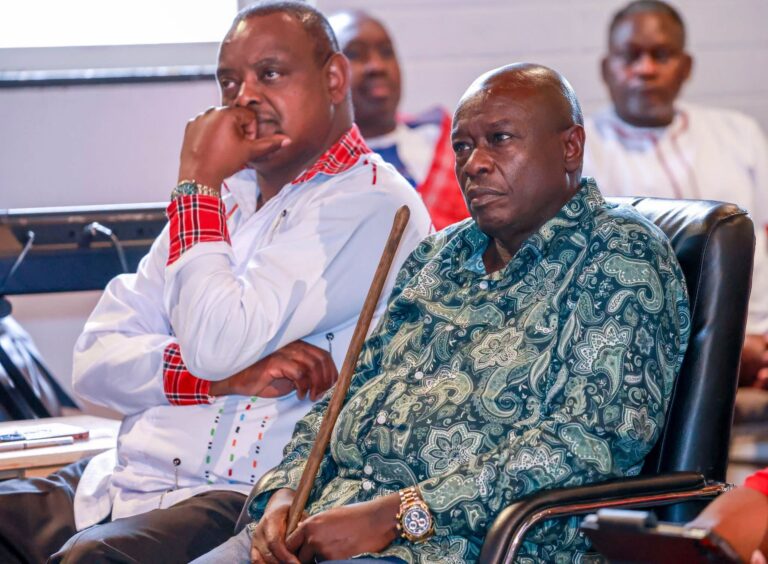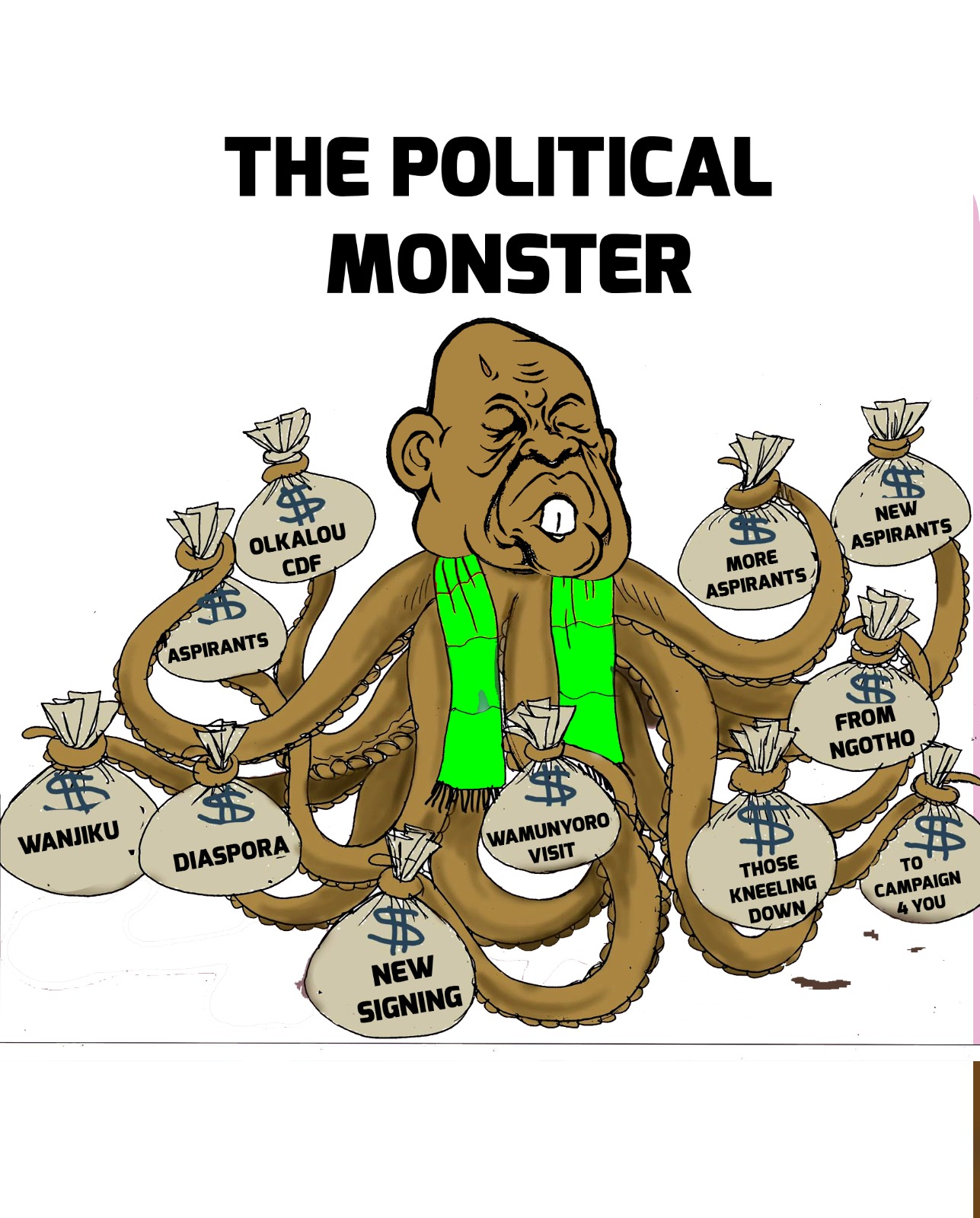
As Kenya’s political landscape continues to evolve, questions are emerging about the leadership style of Democracy for the Citizens Party (DCP) leader Rigathi Gachagua. While the former Deputy President has positioned himself as the voice of opposition and regional unity, some of his recent public statements have raised concerns about the party’s internal democracy.
Gachagua has openly declared that he has his own political “soldiers,” a phrase critics argue promotes blind loyalty rather than issue-based politics. Such rhetoric risks creating a political culture where allegiance to one individual takes precedence over democratic debate and accountability.
His public endorsements of preferred candidates have also sparked debate. By openly asking voters to support specific individuals for elective positions, Gachagua may unintentionally undermine the credibility of party nominations. Aspirants investing time and resources in DCP could reasonably question whether the nomination process will be genuinely competitive or simply favor those perceived to enjoy the party leader’s blessing.
Political observers have warned that parties built around a single personality often struggle to accommodate dissenting voices. If party members begin believing that leadership decisions are predetermined, confidence in internal democracy could diminish, leading to frustration among grassroots supporters.
There is also concern that sections of Gachagua’s supporters have become emotionally attached to his political messaging, accepting his directives with little scrutiny. Democracy thrives when citizens evaluate leaders critically rather than following personalities unquestioningly. Political loyalty should never replace independent judgment.
Kenya has witnessed similar political waves before, where enthusiasm eventually gave way to disappointment when expectations were not met. Supporters of any political movement should therefore remain vigilant, demand transparency in party processes, and judge leaders by their actions rather than their rhetoric.
Ultimately, DCP’s long-term credibility will depend not on the popularity of its leader, but on whether it demonstrates fairness, transparency, and respect for democratic principles. Without these values, the party risks becoming another personality-driven movement instead of a credible alternative for Kenyans.
About the Author