Politics is a game of choices. Leaders can either spend their time nursing political wounds or rolling up their sleeves to deliver for the people. Mt. Kenya has seen both approaches—and the difference could not be clearer.
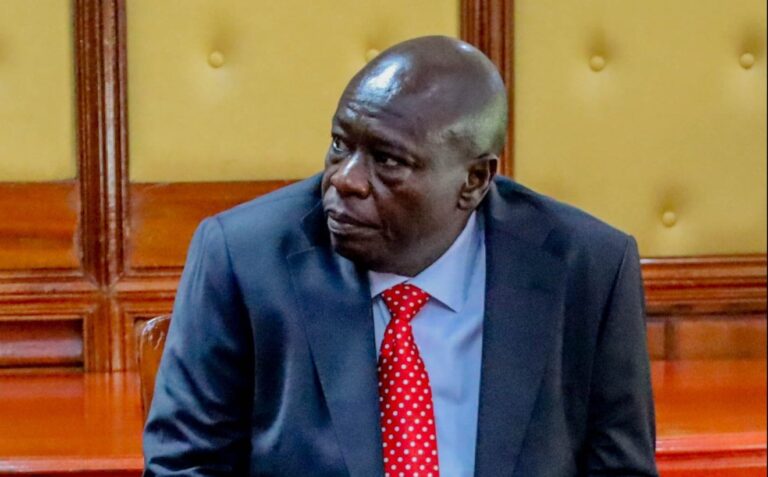
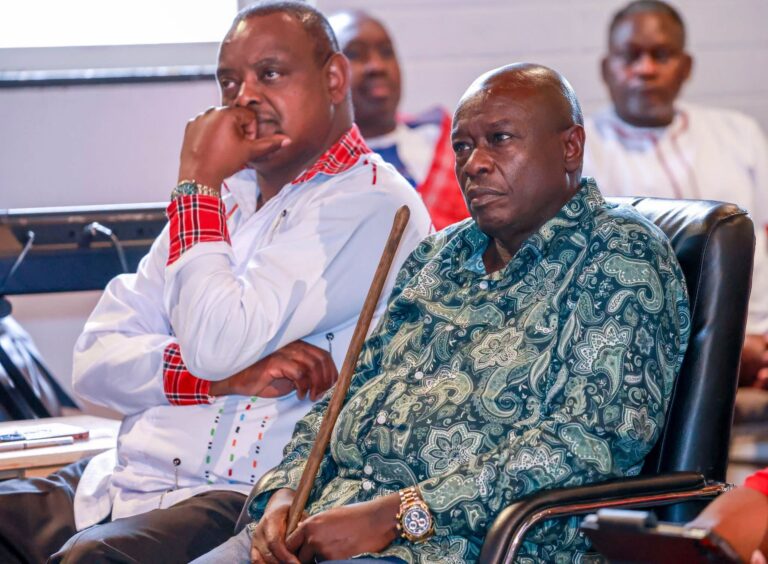
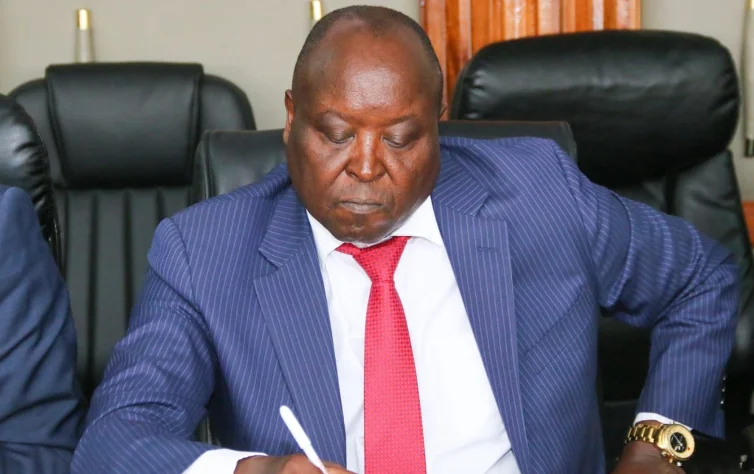
When Rigathi Gachagua became Deputy President, he was elevated to one of the highest offices in the land, not to represent one individual or one political faction, but to serve the Republic of Kenya while providing leadership for the millions who looked to him as the region’s most senior voice in government. That office came with influence, access and the ability to shape policy. It was an opportunity many leaders spend a lifetime dreaming about.
The expectations were simple. Fight for better roads. Push for water projects. Demand more electricity connections. Champion better prices for coffee, tea, milk and horticultural produce. Open doors for young people seeking jobs and businesses looking for investment. In short, use power to improve lives.
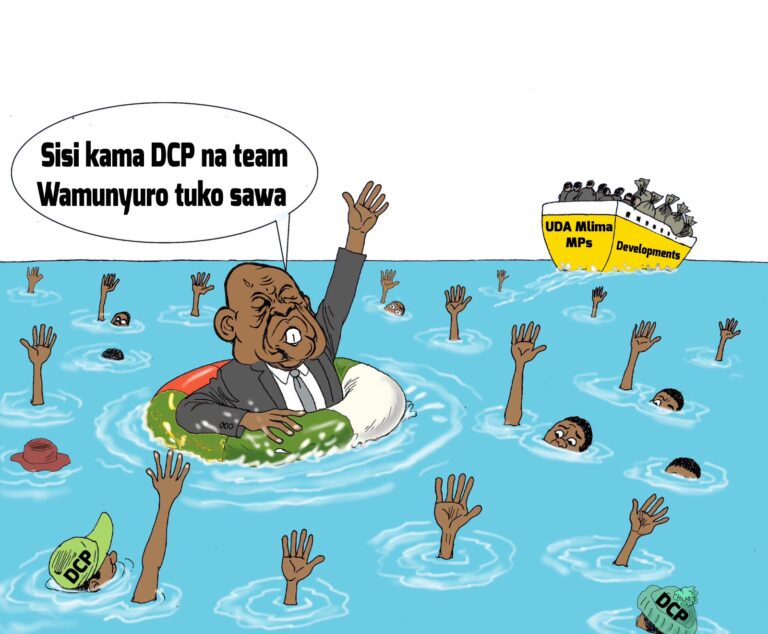
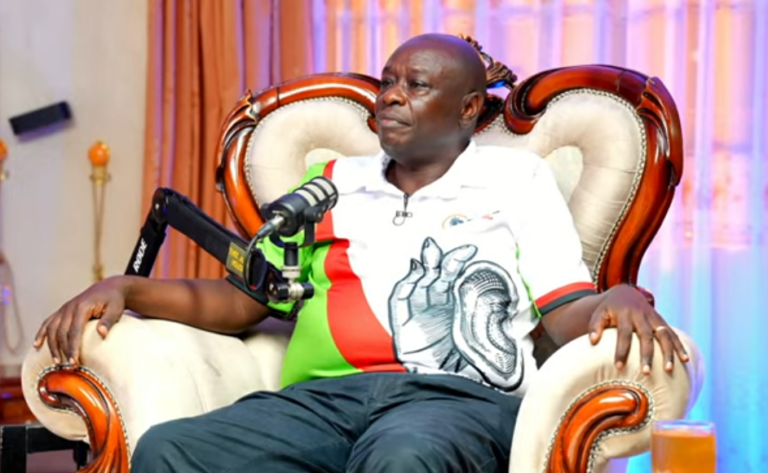
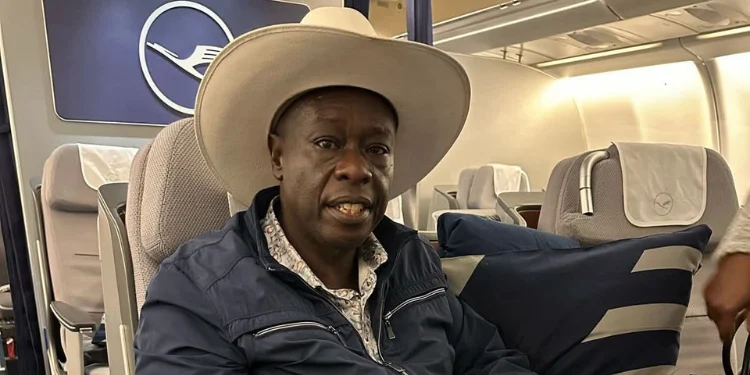
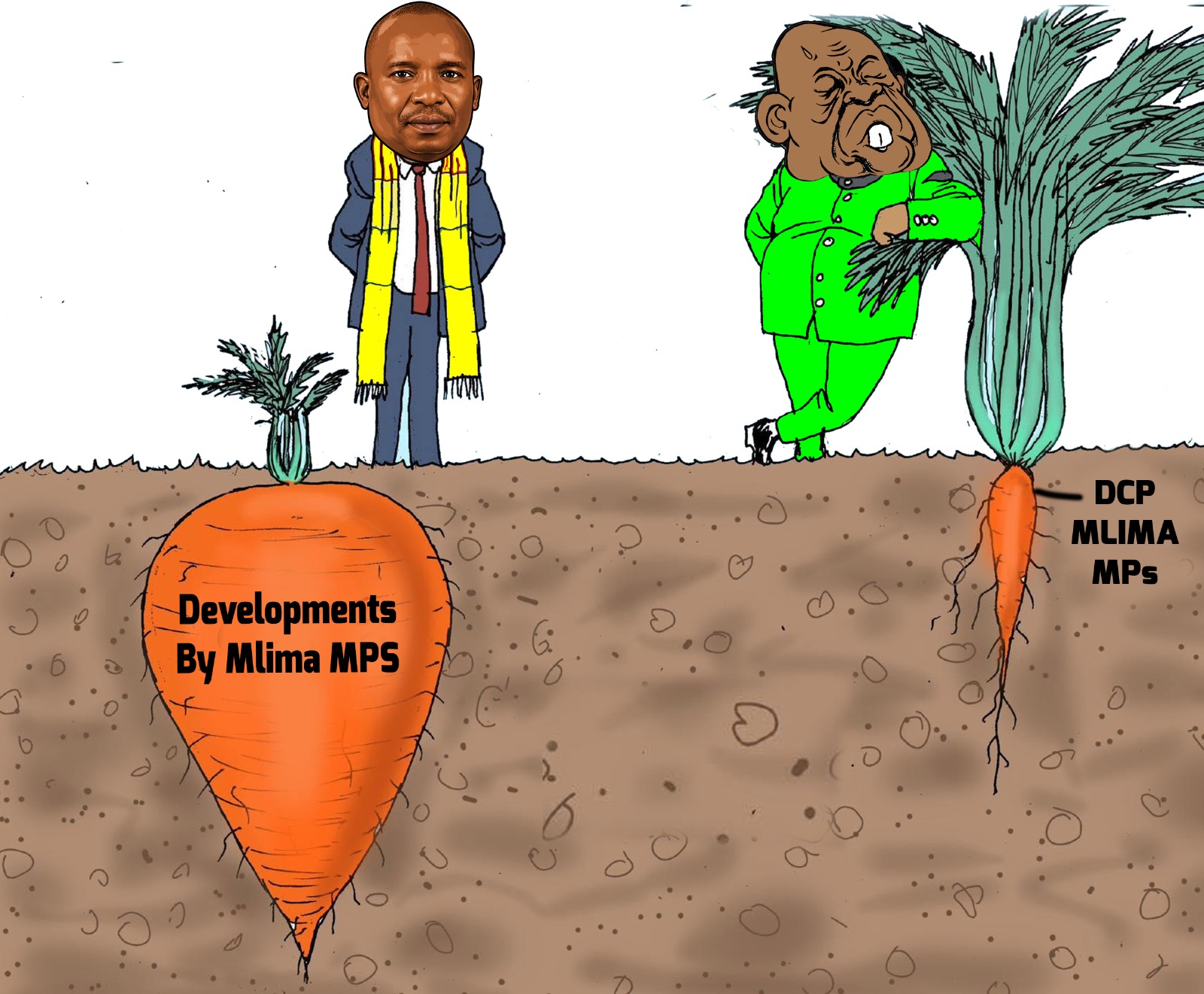
Instead, political confrontation increasingly took centre stage. The conversation shifted from development to division, from governance to grievances. When his impeachment eventually brought that chapter to an end, the response appeared to be less about asking what had gone wrong and more about persuading Mt. Kenya leaders to abandon government altogether. That may make for exciting political rallies, but it does not build classrooms, finance dams or increase farmers’ incomes.
Fortunately, not everyone bought into that script.
A new crop of leaders chose pragmatism over protest. Deputy President Kithure Kindiki, Kimani Ichung’wah, Dennis Itumbi, Anne Waiguru, Cecily Mbarire, Kimani Kuria, William Kabogo, Lee Kinyanjui, Mutahi Kagwe and many others understood a simple truth: you cannot negotiate development from outside the room. You must be at the table where decisions are made.
Their continued engagement with government has ensured that Mt. Kenya retains a voice in national policy and budgetary priorities. Whether one agrees with every decision they make is beside the point. They have chosen participation over isolation, influence over outrage and service over symbolism.
The politics of permanent victimhood is seductive because it demands little beyond anger. It thrives on convincing people that every setback is someone else’s fault and that every compromise is betrayal. But roads are not built through resentment. Hospitals are not equipped through speeches. Farmers are not paid better prices through political theatrics. Development is secured through negotiation, persistence and hard work.
History is often kinder to builders than to complainers. The leaders who leave a lasting legacy are rarely those who shouted the loudest. They are the ones who quietly ensured that markets were constructed, schools expanded, electricity reached villages and farmers earned more from their sweat.
Mt. Kenya deserves leaders who understand that political office is not a platform for settling personal scores but an instrument for delivering results. Elections come and go. Political alliances rise and fall. What remains are the roads people drive on, the water that flows into homes, the jobs created and the prosperity that reaches ordinary families.
That is the leadership the region deserves. And that is the leadership that will outlive politics.
About the Author