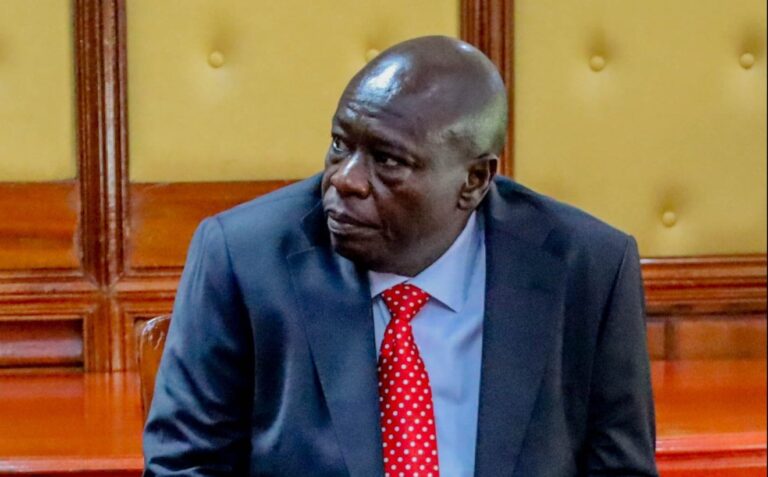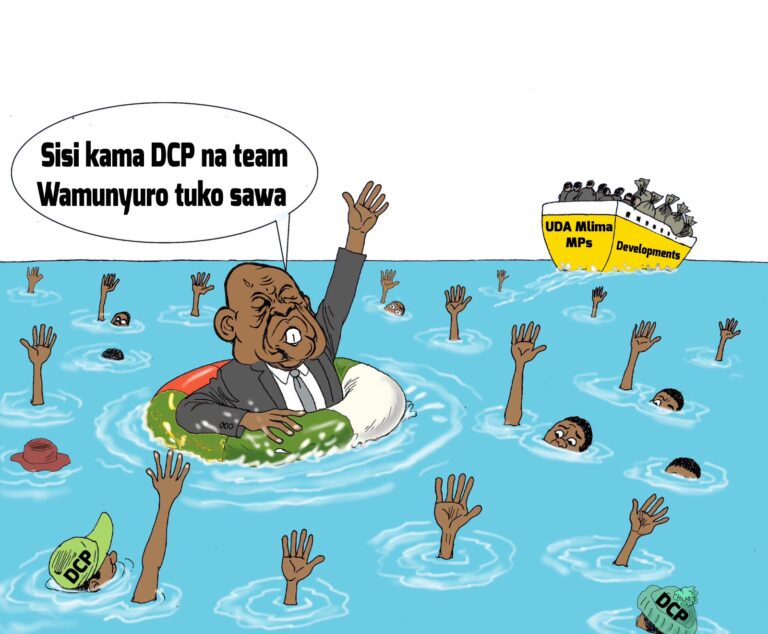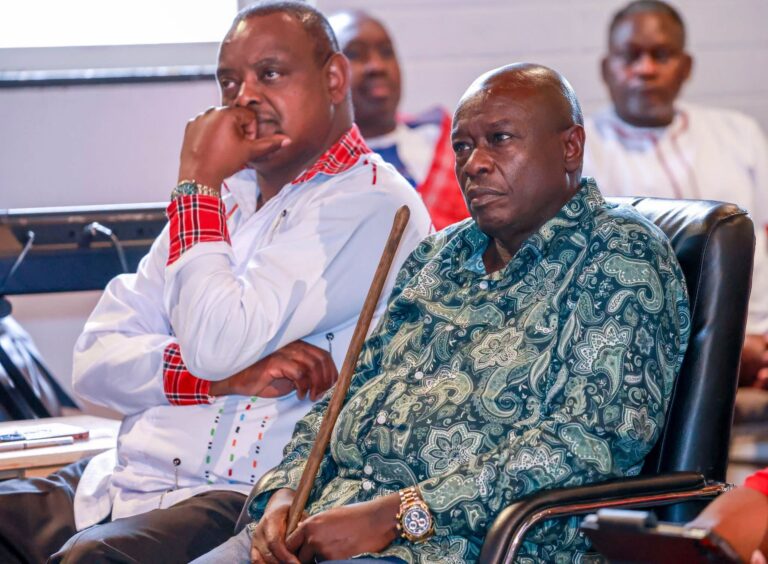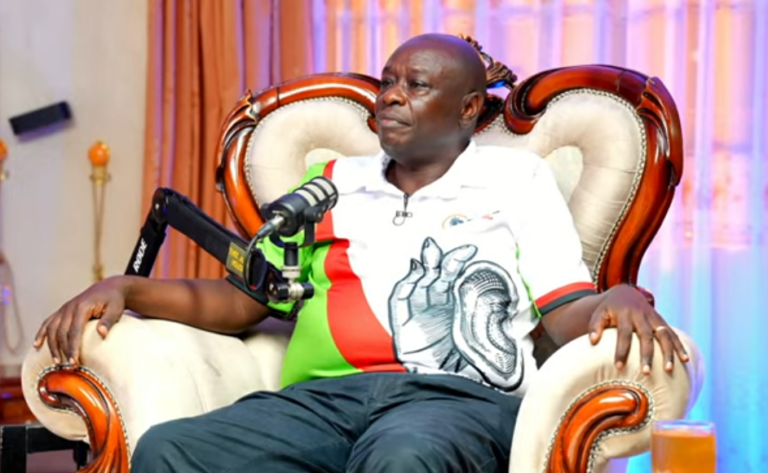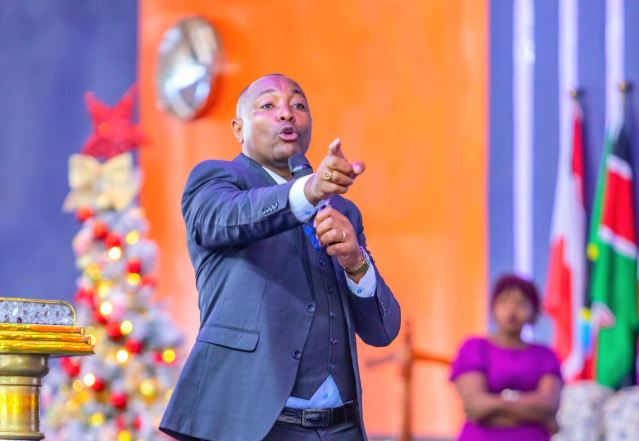
JCM Bishop Ben Kiengei has issued a strong rebuke against what he describes as a “toxic brand of politics” spreading across Mt. Kenya, after his church came under sustained attack for hosting President William Ruto.
The controversy erupted following the President’s visit to the bishop’s church, a routine pastoral engagement that has since sparked fierce political backlash. Critics, led by political figure Gachietha, have targeted the church and its leadership for welcoming Kenya’s constitutionally elected head of state.
“This is the kind of political intolerance that has become increasingly visible,” Bishop Ben said in a statement released Monday. “Instead of respecting political diversity, we are seeing efforts to demonize, intimidate, and ostracize anyone who does not align with a preferred political camp.”
The bishop’s remarks highlight growing concerns about political polarization in the Mt. Kenya region, where disagreements over national politics are increasingly fracturing communities along partisan lines.
According to Bishop Ben, the current political climate is breeding unprecedented division. “He turns neighbors against neighbors, Christians against Christians, and communities against their own people,” the bishop said, referring to Gachietha’s political tactics. “Instead of celebrating different opinions, there are demands for absolute loyalty, and dissent is treated as betrayal.”
The religious leader expressed particular alarm at how political differences are tearing apart the social fabric of Mt. Kenya communities, with families, church congregations, and neighborhoods finding themselves on opposite sides of deepening political divides.
Bishop Ben’s primary concern centers on the long-term implications for Mt. Kenya’s future. “Politics should unite communities around ideas, development, and opportunity, not divide brothers against brothers, neighbors against neighbors, or families along political lines,” he stated.
The bishop warned that regional prosperity is impossible when political disagreement is treated as betrayal and those holding different views are branded as enemies. “That is outdated politics and goonism that leaves behind bitterness instead of progress,” he said.
The incident reflects broader tensions in Kenyan politics, where regional leaders increasingly face pressure to demonstrate unwavering loyalty to particular political formations. Critics of this trend argue that it stifles democratic discourse and undermines the constitutional right to freedom of association and expression.
Political analysts note that Mt. Kenya, historically a politically influential region, has experienced heightened internal divisions since the 2022 general elections, with competing factions vying for dominance and influence.
Bishop Ben’s statement represents one of the most direct challenges yet to what he characterizes as political intimidation tactics designed to enforce conformity rather than encourage healthy democratic debate.
As of press time, Gachietha had not responded to requests for comment on the bishop’s allegations.
The controversy continues to generate heated debate across social media platforms and in Mt. Kenya communities, with observers watching closely to see whether calls for tolerance and unity will gain traction or whether political divisions will continue to deepen.
About the Author