On a week when Nairobi briefly became the political and economic heartbeat of Africa, the last thing many expected was for one of Kenya’s most senior opposition figures to launch an attack — not on policy, not on corruption, but on the very idea of Kenya hosting the world.
The city was alive with motorcades, foreign delegations, diplomats, business executives and global media. Hotels filled up. Security tightened. Conversations about Africa’s future dominated conference halls and television screens. French President Emmanuel Macron walked through Nairobi beside African leaders as billions in investment pledges, trade opportunities and development partnerships were discussed at the Africa Forward Summit.
For a moment, Kenya looked exactly like what it has always claimed to be: East Africa’s diplomatic capital.
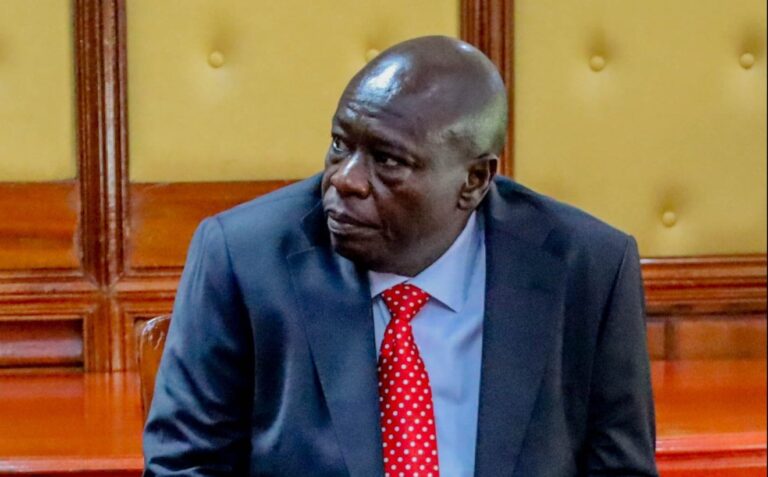
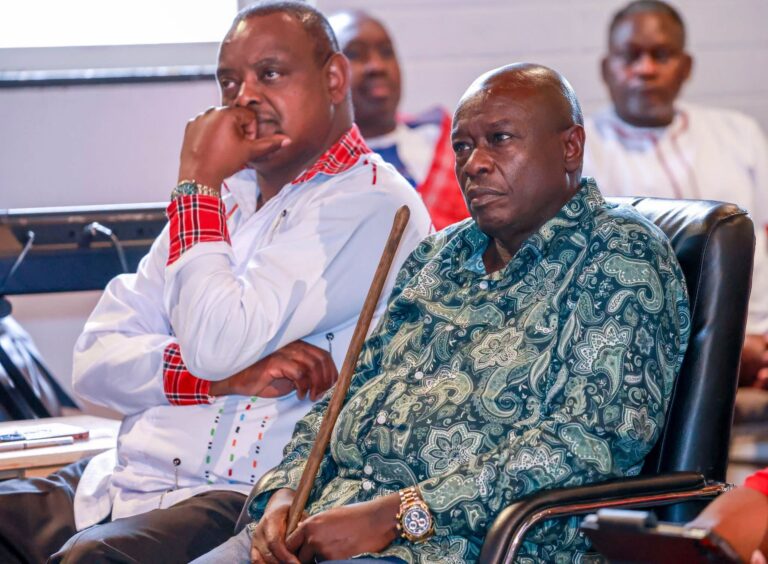
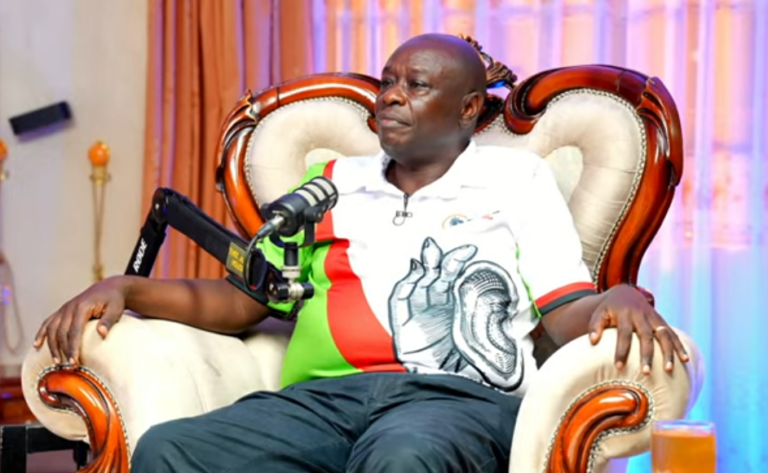
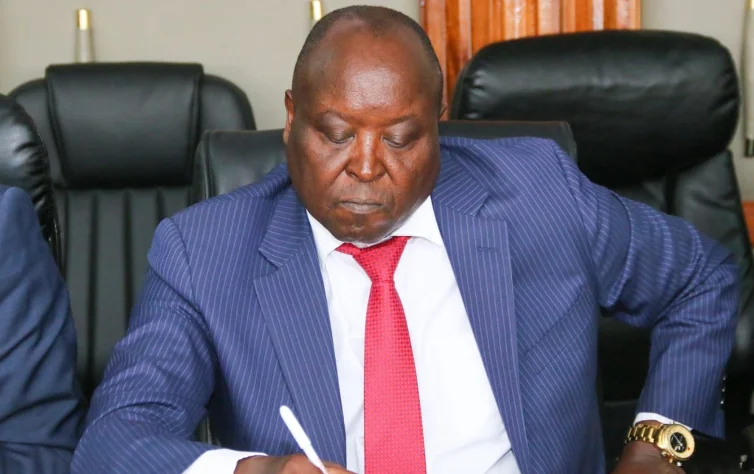
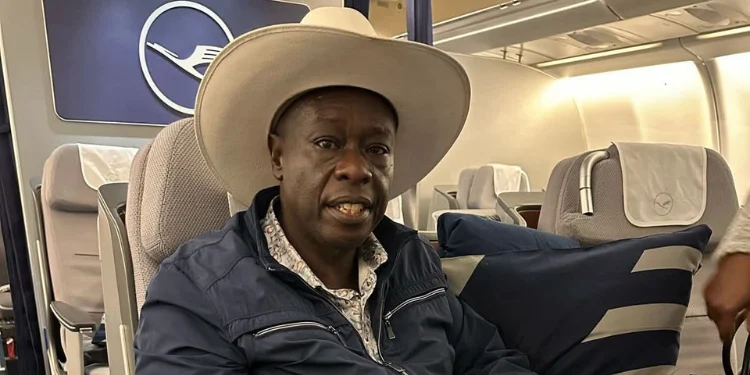
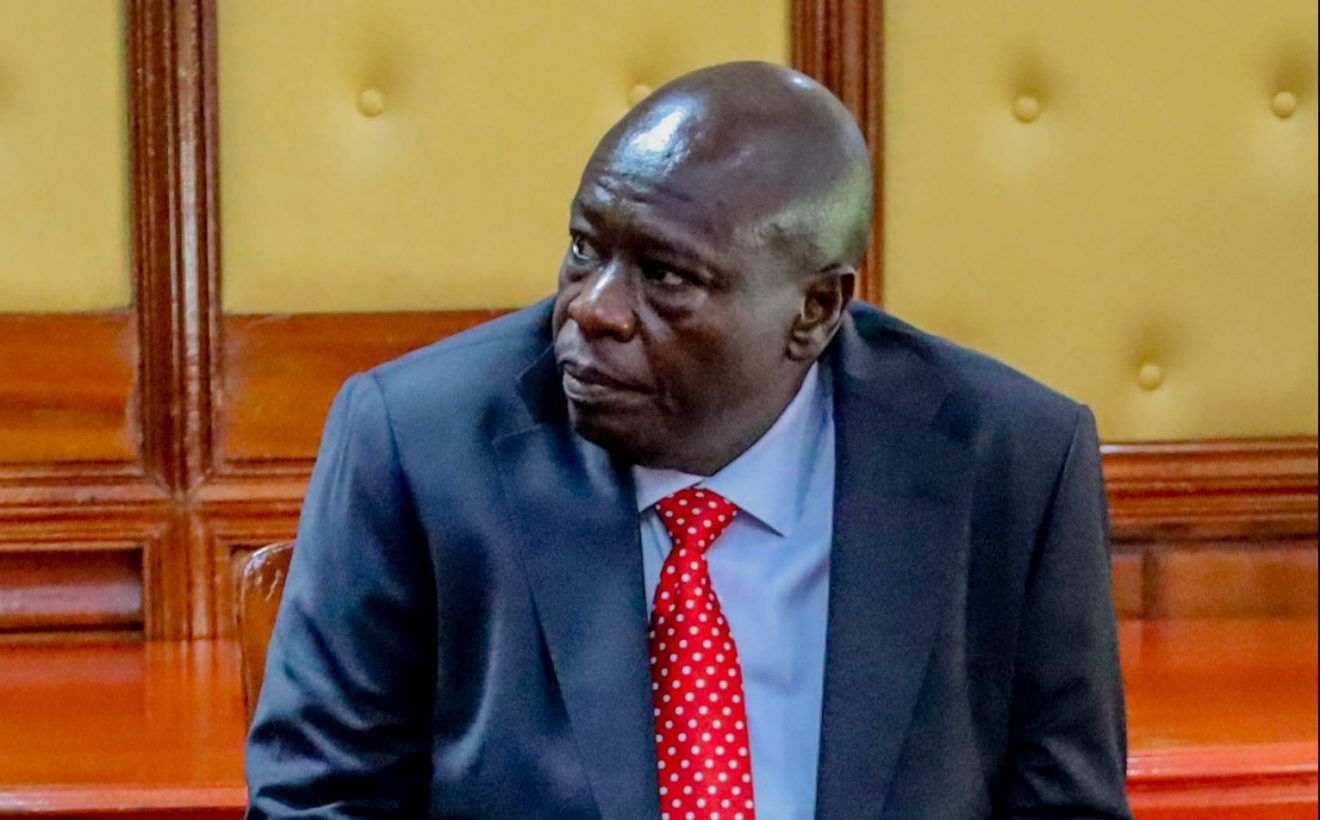
Then Rigathi Gachagua spoke.
The former Deputy President dismissed the summit with the kind of fury that has now become his political trademark. In his telling, the gathering was not a chance for Kenya to strengthen its global standing, but another conspiracy, another scandal, another reason for outrage. He even went as far as dragging President Macron into local political fights.
And suddenly, the contrast became impossible to ignore.
While world leaders spoke about Africa’s future, Gachagua sounded trapped in political bitterness.
It was not just what he said that unsettled many Kenyans. It was the timing. Nations do not host international summits every day. Even bitter political rivals in mature democracies often pause long enough to allow their country a moment of dignity before the world. But Gachagua seems increasingly incapable of separating personal political wars from national interest.
That is perhaps the most revealing thing about his transformation.
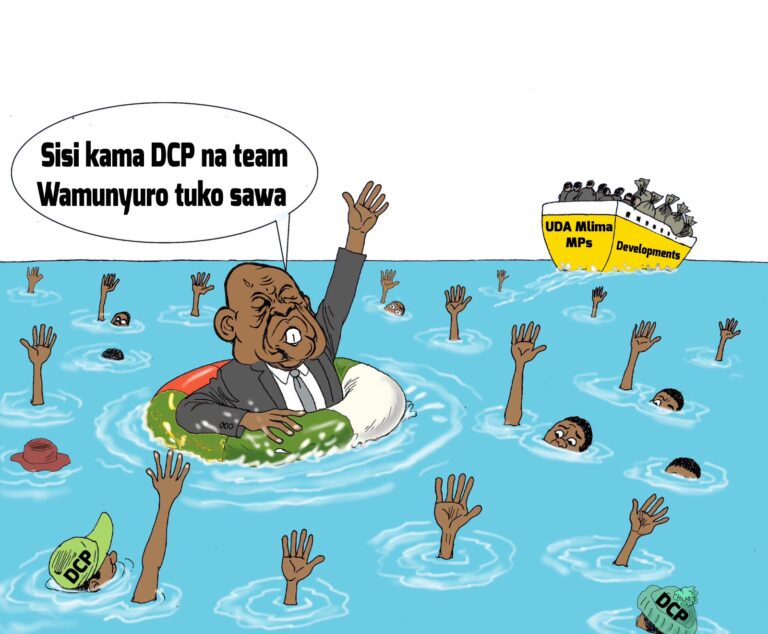
There was a time when Rigathi Gachagua was seen as a tough political operative with grassroots influence and fierce loyalty to his base. Today, however, he increasingly resembles a man fueling anger because anger is all he has left politically. Since his impeachment and ugly fallout with President William Ruto, his politics has become louder, sharper and more confrontational.
Yet one uncomfortable question continues to follow him: what kind of opposition leader spends nearly two years without building visible diplomatic relationships or engaging seriously with the international community?
Leadership is not only rallies, microphones and online applause. A serious national leader must reassure investors, speak beyond his region, build international trust and know when to put country above combat.
But Gachagua’s politics now thrives on permanent conflict.
His speeches carry the energy of a man rallying a loyal camp, not uniting a nation. Every disagreement becomes betrayal. Every criticism becomes persecution. Every national event becomes another battlefield in his personal political war.
Kenya has seen this type of politics before — leaders who slowly mistake public frustration for personal destiny, who build movements around resentment instead of ideas, and who eventually surround themselves with applause while drifting further away from statesmanship.
And that is the real danger.
Not that Rigathi Gachagua is loud. Kenyan politics has always been loud. The danger is that he increasingly appears determined to lead a political cult of grievance rather than offer the country an alternative vision of leadership.
As the world departed Nairobi and the summit lights dimmed, one reality remained clear: Kenya desperately needs an opposition that can criticize government without diminishing the country itself.
Right now, Gachagua looks less like that leader — and more like a man at war with everyone except his own anger.
About the Author