Fresh details have emerged alleging that the Democratic for the Citizens Party (DCP) nominations in the Ol Kalou parliamentary race were heavily manipulated in favour of preferred candidates, despite assurances allegedly made to contestants who invested millions into the party.
Engineer Peter Karanja, who finished third in the hotly contested nominations, has now broken his silence, raising explosive claims about how the process was allegedly predetermined long before voting day.
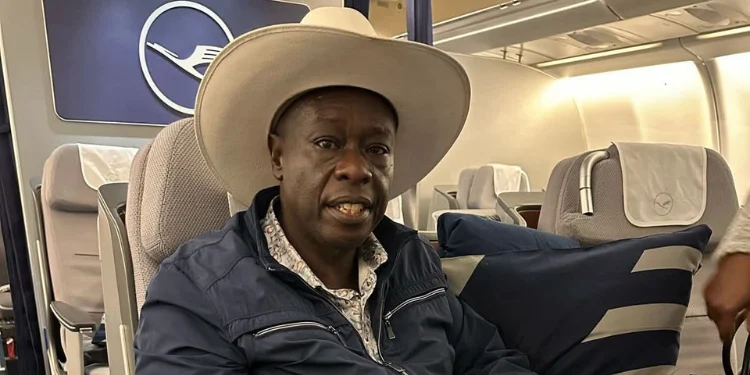
Karanja, a former Chief Officer for Roads in Nyandarua County, says he resigned from a lucrative county government position after allegedly receiving direct assurances from senior party leadership that he would be supported to clinch the ticket.
According to Karanja, he had consistently supported the party financially and logistically, including allegedly contributing KSh 250,000 monthly towards party activities and mobilization efforts. Before resigning, he claims he held meetings with DCP leader Rigathi Gachagua at one of his hotels in Nyeri, where he was allegedly assured the party leadership would “do everything possible” to secure his victory.
Karanja further claims he was later asked to contribute KSh 5 million for the printing of ballot papers and campaign logistics, with promises that he would be “sorted” during the nominations. Confident that the ground had been prepared in his favour, he resigned from public service and fully immersed himself in the race.
However, the outcome shocked him.
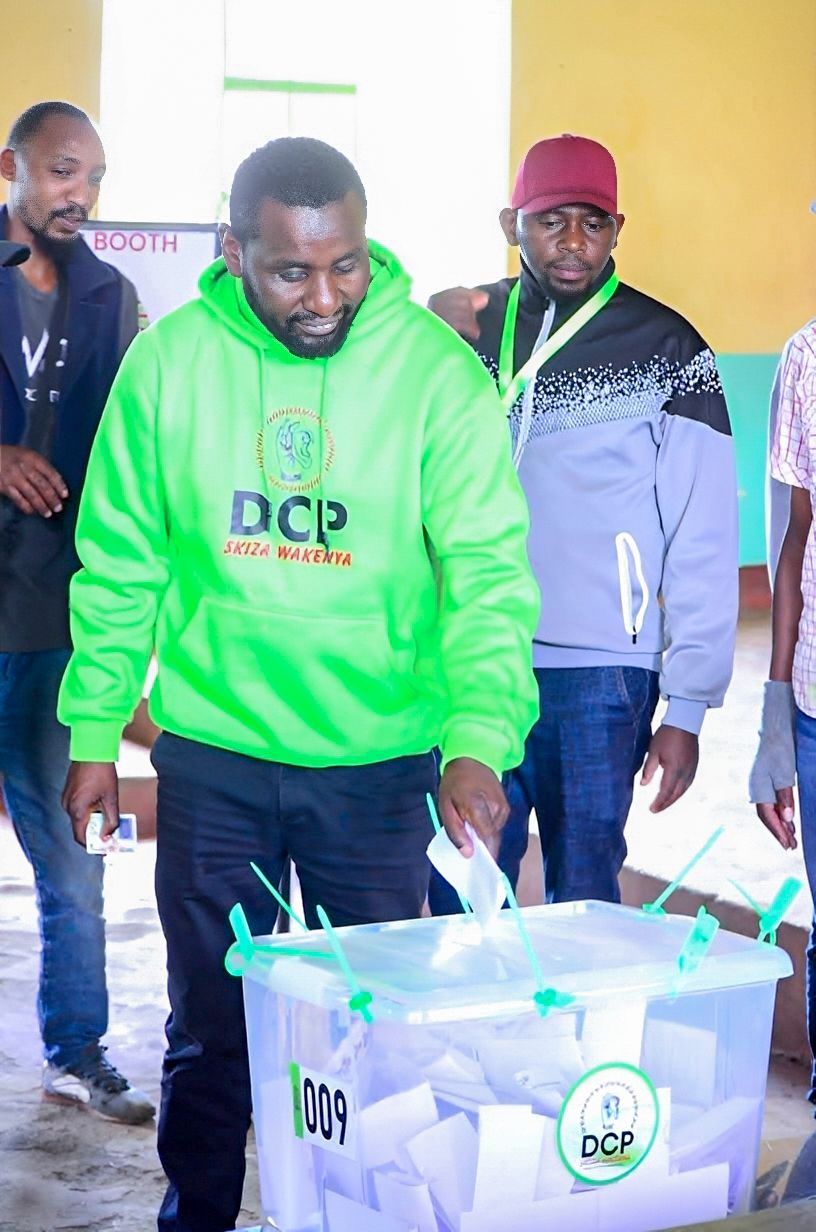
Official results declared former MCA Sammy Kamau Ngotho the winner with 12,957 votes, followed by Paul Waiganjo with 4,978 votes, while Karanja garnered 3,919 votes.
Karanja now questions the credibility of those numbers, arguing that the party’s own internal estimates had projected total voter turnout between 4,000 and 5,000 voters. He alleges that during preparations, he had been informed he would receive nearly half of the ballot papers in circulation but later discovered only about 1,000 ballots had been allocated to his camp.
More troubling, he claims, was the voting process itself. According to Karanja, there was no physical voter register used during the nominations. Instead, officials allegedly relied on the IEBC online verification system while applying removable ink on voters, raising fears of multiple voting and ballot stuffing.
He further alleges that another candidate linked to Gachagua’s inner circle and protocol team had access to significantly more ballot papers, reinforcing his belief that “the party has owners.”
While DCP deputy leader Cleophas Malala defended the exercise as free and fair, Karanja insists the figures announced by the party do not add up. He argues that if over 23,000 people truly participated in the nominations, then the party should easily replicate those numbers in the July by-election.
“To claim such turnout yet the process lacked transparency is unbelievable,” he reportedly said. “The truth about how candidates were rigged out will eventually come out.”
About the Author