When political leaders make allegations involving rape and the sexual abuse of children, those claims should never be treated as ordinary campaign rhetoric. They should trigger immediate investigations, public accountability, and, where evidence exists, criminal prosecutions.
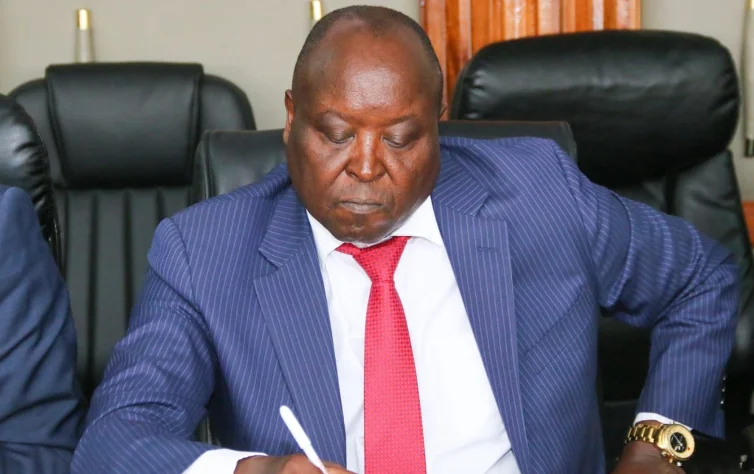
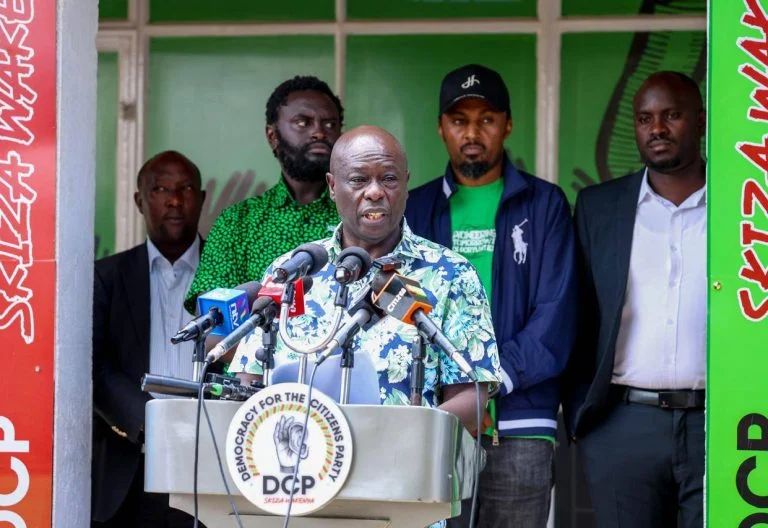
That is why the serious allegations made by DCP Party Leader Rigathi Gachagua deserve renewed scrutiny.
In the run-up to the Olkalou by-election, Gachagua alleged that schoolgirls were being sexually exploited by Cabinet Secretaries and Principal Secretaries. After the elections, he claimed that 68 women had been raped during the unrest. Both allegations were shocking and, if true, point to grave criminal offences that demand urgent action from law enforcement agencies.
The public has heard little about the progress of any investigations. Have the National Police Service or the Directorate of Criminal Investigations recorded statements from Gachagua? Have investigators asked him to provide the evidence behind the claims? Were victims identified and offered protection and support? If investigations were launched, what has become of them?
These questions matter because allegations of rape and child sexual abuse are far too serious to become political talking points that disappear once the headlines fade. If credible evidence exists, those responsible should be arrested and prosecuted without fear or favour. If no evidence exists, then the public deserves to know why such alarming claims were made.
The burden now falls on both the authorities and Gachagua. Investigative agencies should publicly clarify whether they have pursued these allegations and what progress, if any, has been made. Equally, Gachagua should provide the evidence supporting his claims so that justice can be pursued for any victims and perpetrators held accountable.
Kenya cannot afford a political culture where allegations of rape and the abuse of schoolgirls are deployed to inflame public opinion and then quietly abandoned. Such claims must lead either to justice through credible investigations or be exposed as unsubstantiated. The integrity of public discourse—and, more importantly, justice for victims—depends on it.
About the Author