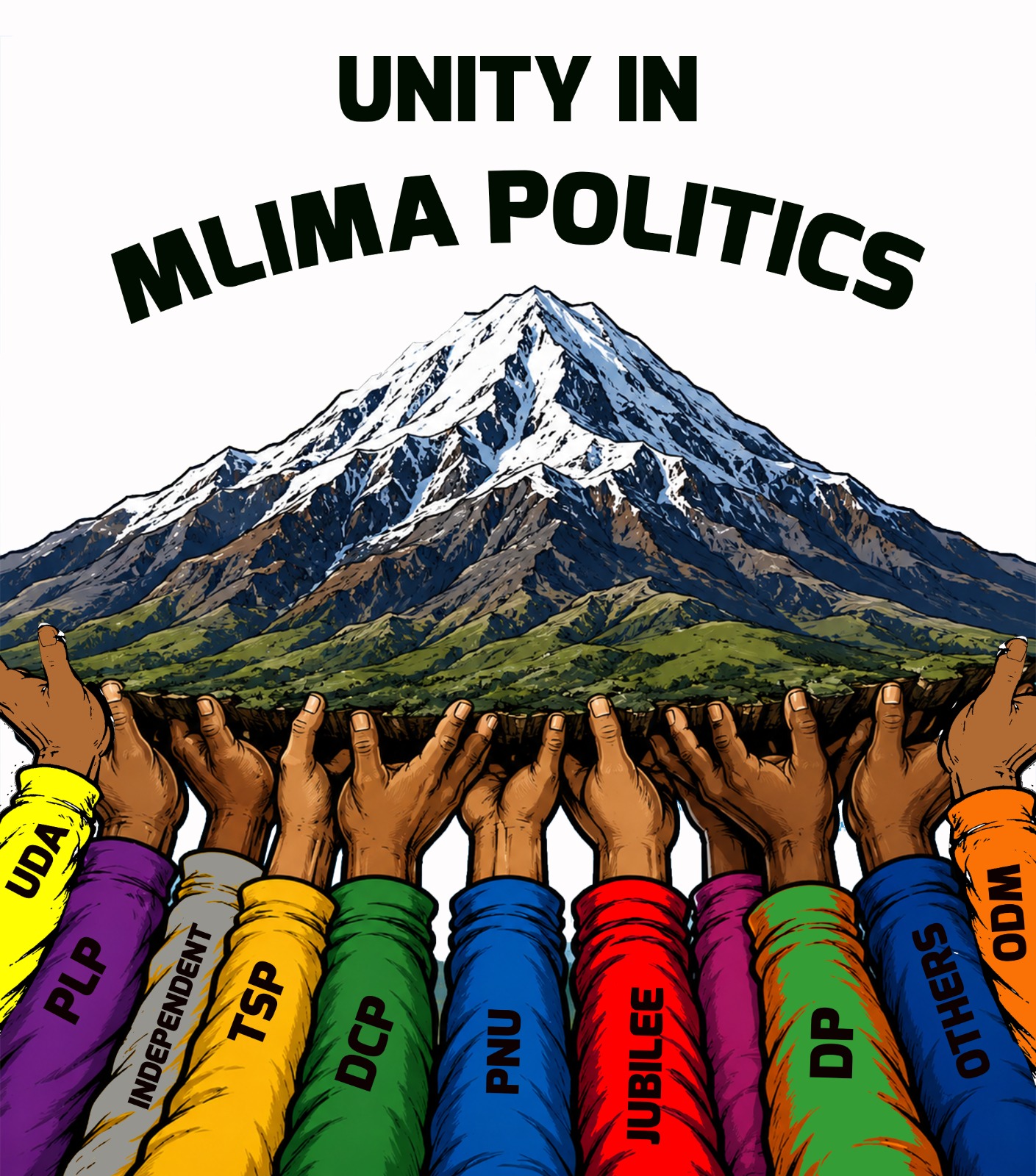
There is a question that the people of Mt Kenya must begin asking before the region settles into another political cycle: Are we being asked to unite around common interests, or are we being asked to surrender our political choices to one party and one leader?
The distinction matters.
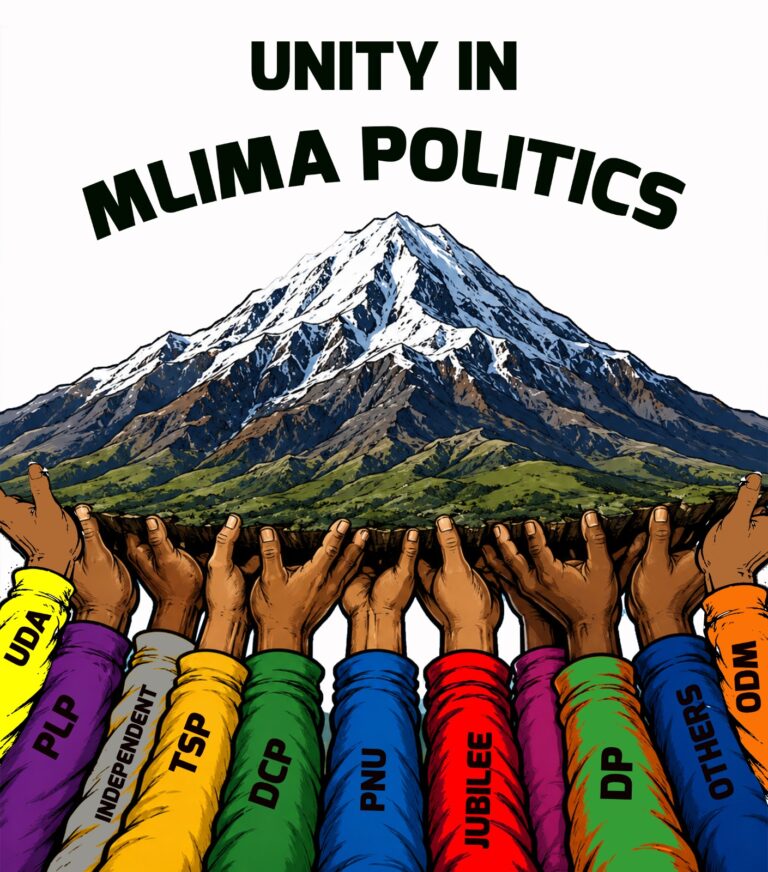
There is nothing wrong with Mt Kenya seeking unity. A united region can negotiate more effectively, protect its interests and demand accountability from whoever occupies power. But unity should never mean political uniformity. The people of Mt Kenya fought for the right to choose their leaders, parties and political direction freely.
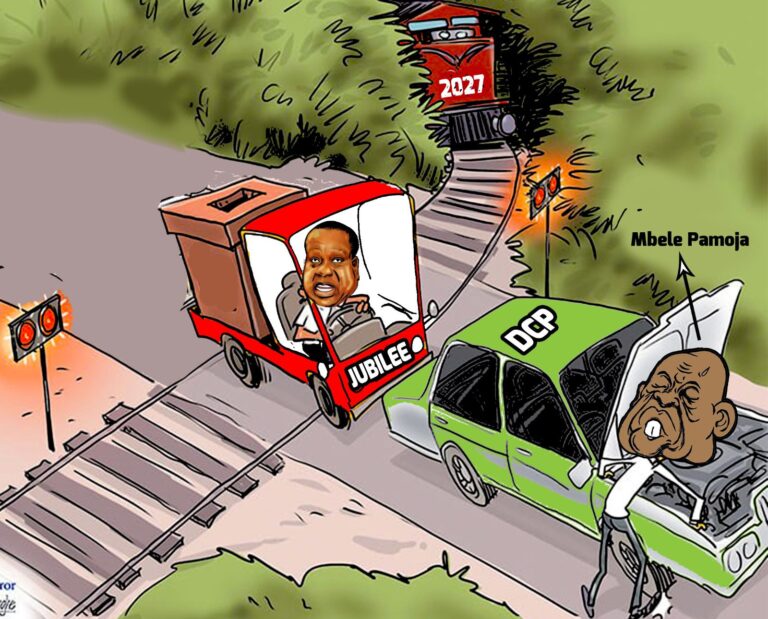
Today, the growing competition between DCP and other political parties raises an uncomfortable question. Why should Jubilee, PNU, PLP and other parties be treated as a problem simply because they want to compete for voters in Mt Kenya?
If Gachagua wants to unite the region behind a common presidential objective, other parties should not necessarily be a threat. Mt Kenya can support a common presidential candidate while still choosing different parties for governor, senator, MP, woman representative and MCA.
That is democracy.
The concern begins when political unity is interpreted to mean that one party must dominate every level of representation. A strong DCP may be legitimate if voters freely choose it. But DCP should win that position through persuasion, performance and the ballot—not because competing parties are pushed out of the political space.
Other parties also represent Mt Kenya voters. Their presence gives voters alternatives and gives politicians a reason to listen. Competition prevents any leader from becoming politically untouchable.
The people of Mt Kenya therefore need to look beyond personalities and ask what kind of political future they want.
Do we want one political party speaking for the entire region? Or do we want several strong parties competing for our support while we, the voters, remain in control?
Mt Kenya should unite around its interests—not surrender its political choices.
About the Author