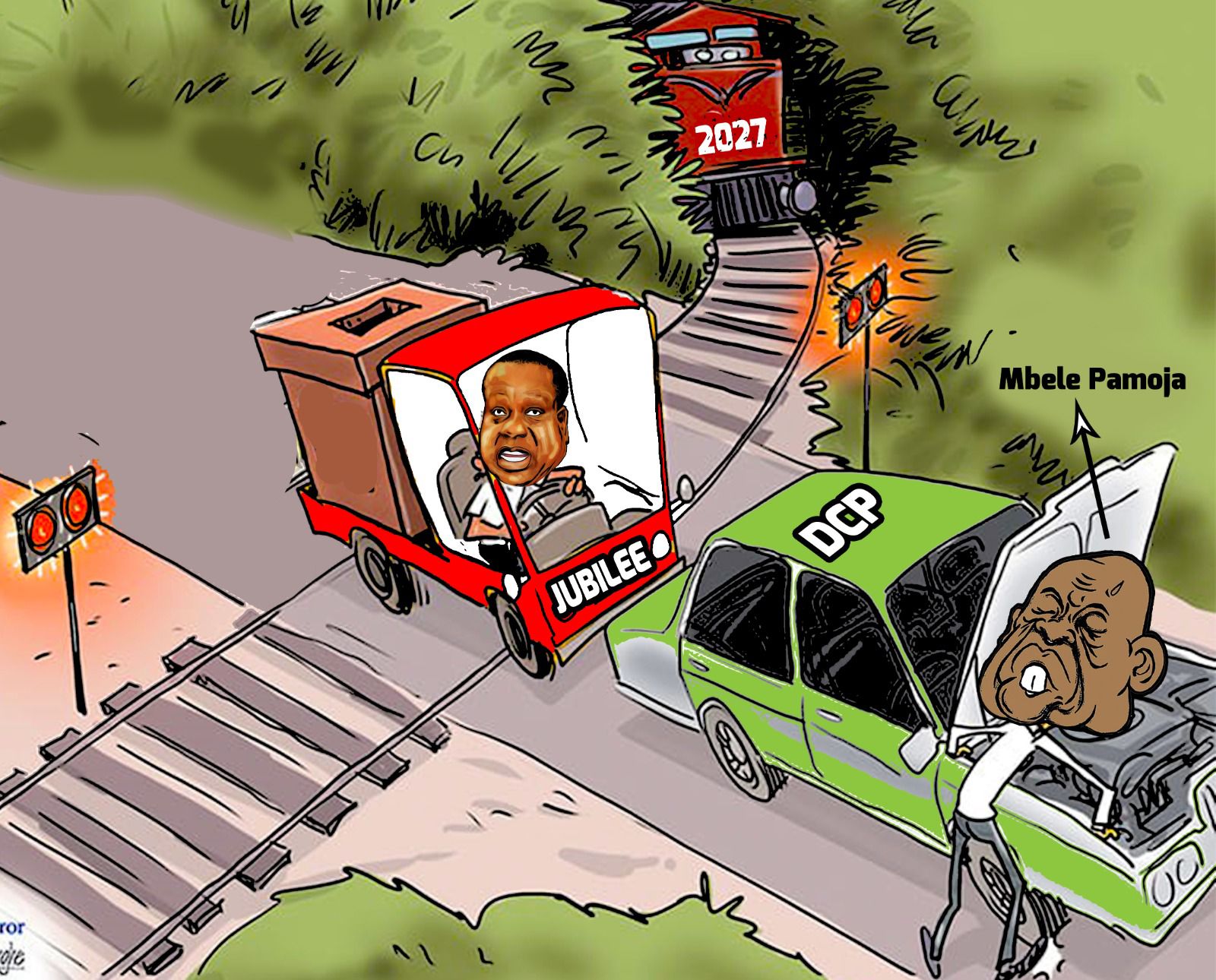
The political battle taking shape in Mt Kenya is increasingly becoming less about who will carry the presidential vote and more about who will control the political space beneath it.
Rigathi Gachagua appears to understand one important reality: if the region’s presidential vote can be consolidated behind the opposition, the real contest will shift to the hundreds of other elective positions—governors, senators, Members of Parliament, women representatives and MCAs.
That is where Gachagua and other opposition parties could find themselves in direct competition.
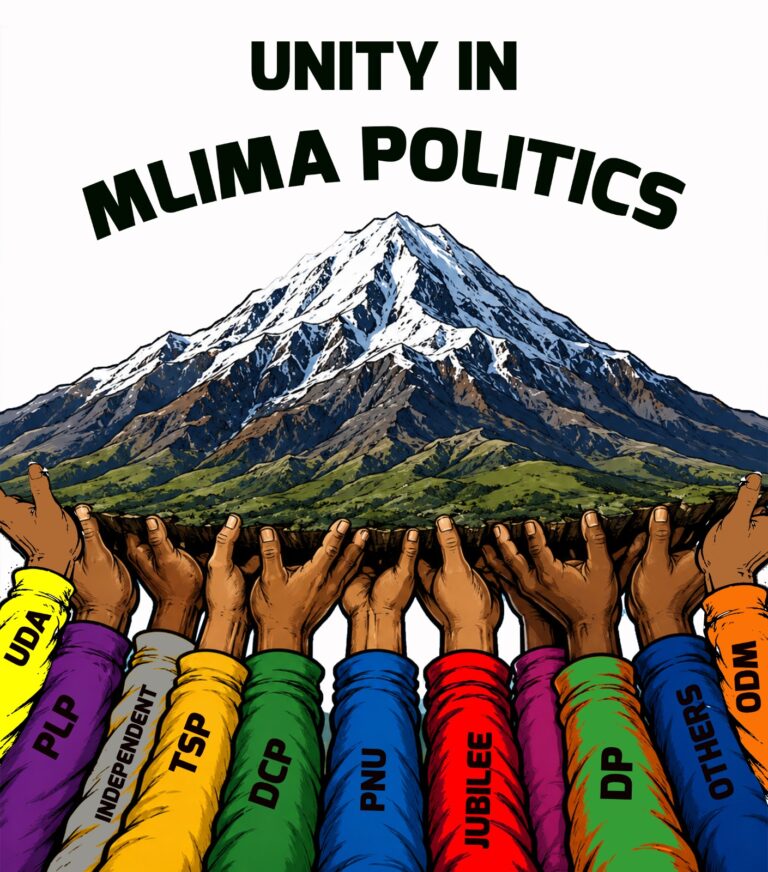
Parties such as Jubilee, PNU, PLP People’s Party and other opposition formations are seeking a political foothold in Mt Kenya. They want candidates elected under their respective party tickets, from the governor’s office to Parliament and the county assemblies. Democracy in the region, therefore, cannot simply be about agreeing on a presidential candidate. It is also about giving voters a genuine choice at every level of government.
This creates a strategic dilemma for Gachagua.
If the objective is to build the Democracy for Citizens Party (DCP) into the dominant political vehicle in Mt Kenya, then the existence of strong competing parties becomes inconvenient. Every party that establishes grassroots structures, recruits candidates and builds a loyal voter base occupies political space that DCP would otherwise hope to control.
This may explain the growing political tension around the region’s opposition parties.
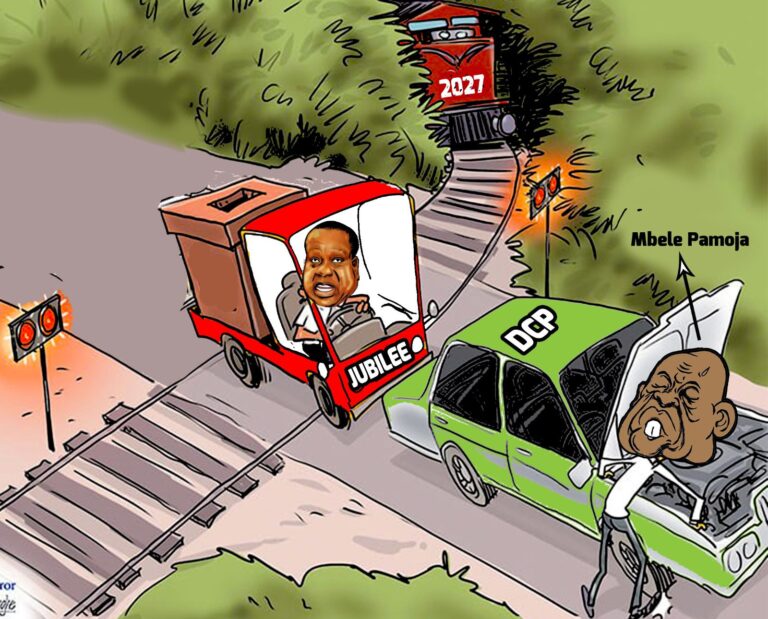
The danger, however, is that an attempt to elbow out Jubilee, PNU, PLP and others could ultimately undermine the very democratic pluralism that opposition leaders claim to champion.
Mt Kenya is not a political estate belonging to any individual or party. Its voters have the constitutional right to choose their president, governor, senator, MP, woman representative and MCA according to their preferences.
If Gachagua believes the region has already settled on its presidential choice, then he should have little reason to fear political competition below that level.
The bigger question is whether the emerging strategy is about uniting Mt Kenya around a common presidential objective—or about eliminating rival parties so that DCP becomes the dominant political force in the region.
Because if every opposition party must disappear before the opposition can unite, then the problem may not be unity at all.
It may be political control.
About the Author