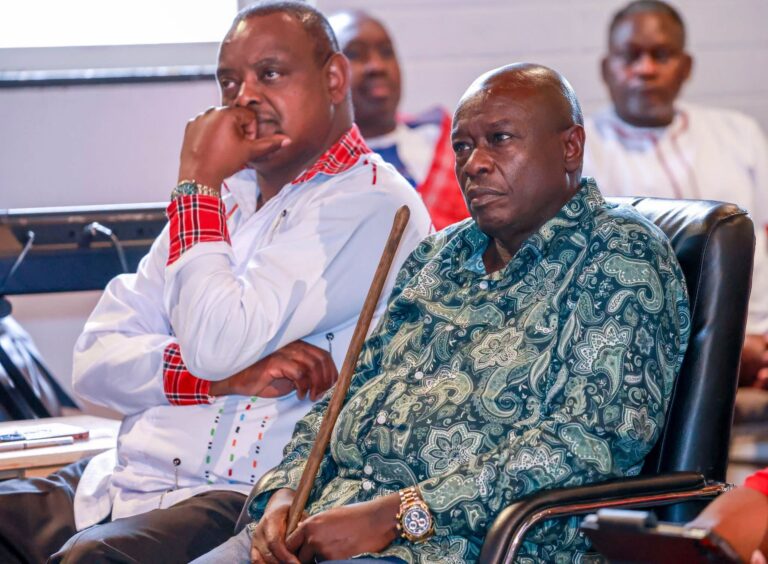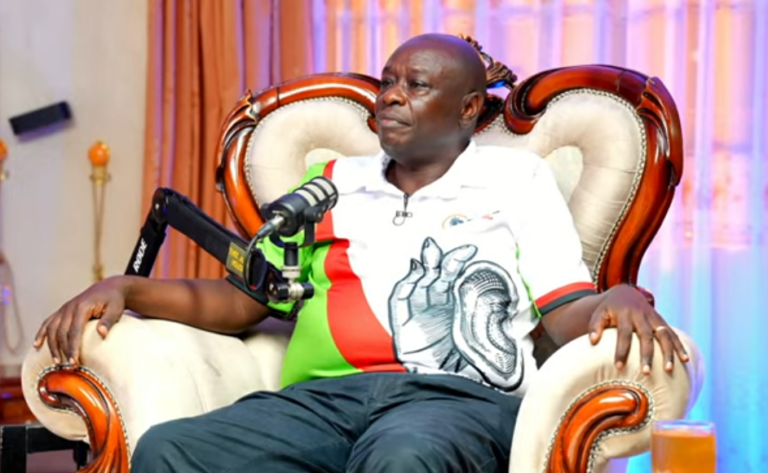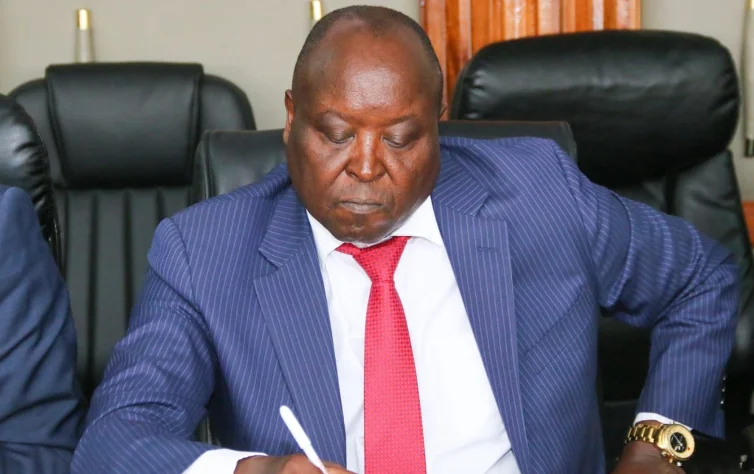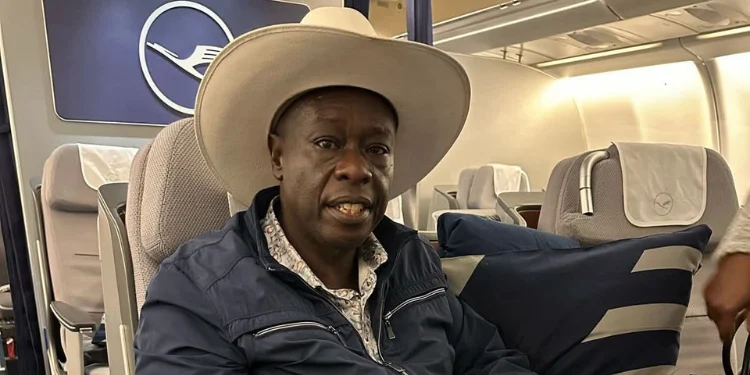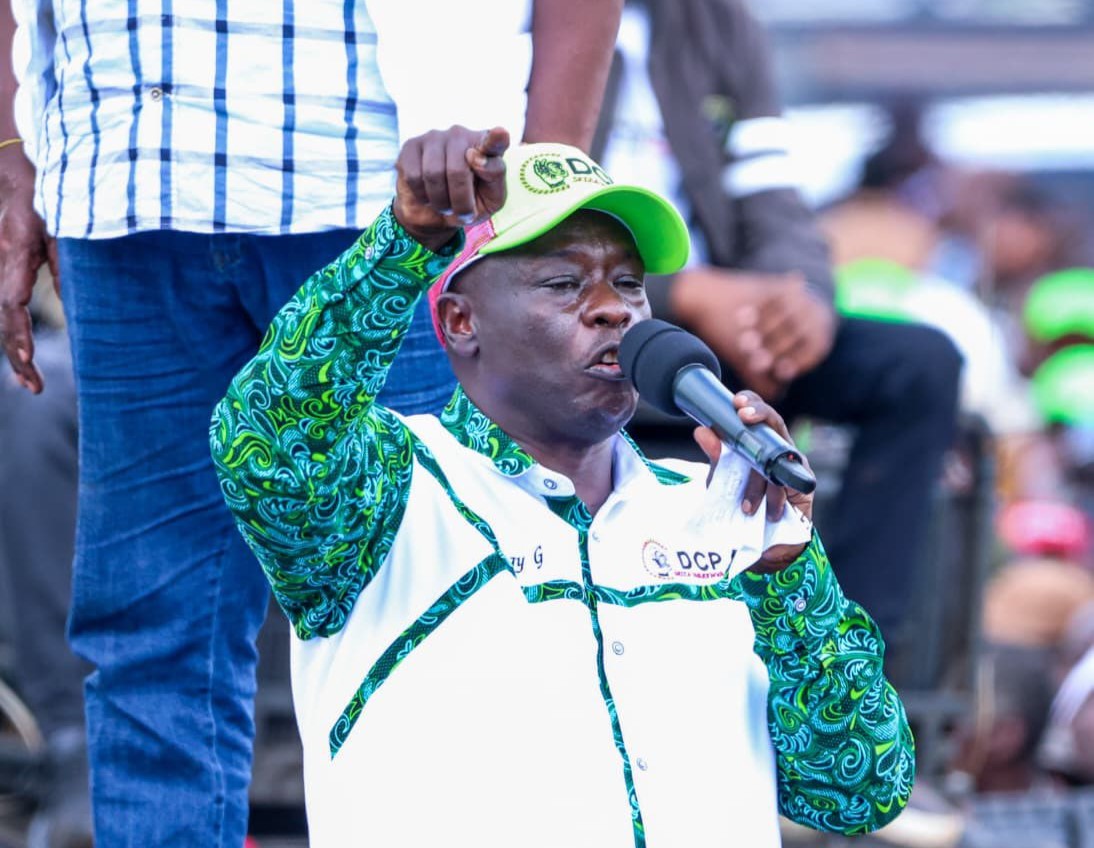
A growing wave of concern is emerging over the political conduct of Rigathi Gachagua, with critics warning that his recent rhetoric risks deepening ethnic divisions at a time when national unity is critical. Observers argue that his approach to politics increasingly leans toward confrontation, with statements that appear to pit communities against one another rather than foster cohesion.
Analysts note that Kenya’s political history has shown the dangers of tribal polarization, and any leader seen to amplify such tensions draws justified scrutiny. While Gachagua remains a significant figure in opposition politics, his messaging has raised questions about whether it prioritizes personal influence over national stability. Some critics go as far as to describe his political style as combative and uncompromising, warning that it could destabilize both his allies and the broader opposition movement.
There is also speculation about his long-term strategy, with claims that he is positioning himself for leverage in any future power-sharing arrangement. However, this perception has fueled skepticism among both supporters and detractors, who question whether such ambitions align with the country’s broader interests. His reported demands for influence over appointments and resources have further intensified debate about leadership ethics and accountability.
Meanwhile, attention has turned to the working relationship between President William Samoei Ruto and Deputy President Kithure Kindiki, with political observers questioning whether cooperation with polarizing figures can sustain a stable governance framework. Some argue that aligning with divisive leadership risks undermining public confidence in government institutions.
As the political landscape evolves, many Kenyans are calling for a more measured and unifying tone from all leaders. The coming months are likely to reveal whether Gachagua’s approach will consolidate his influence or alienate key stakeholders within Kenya’s dynamic political arena.
About the Author