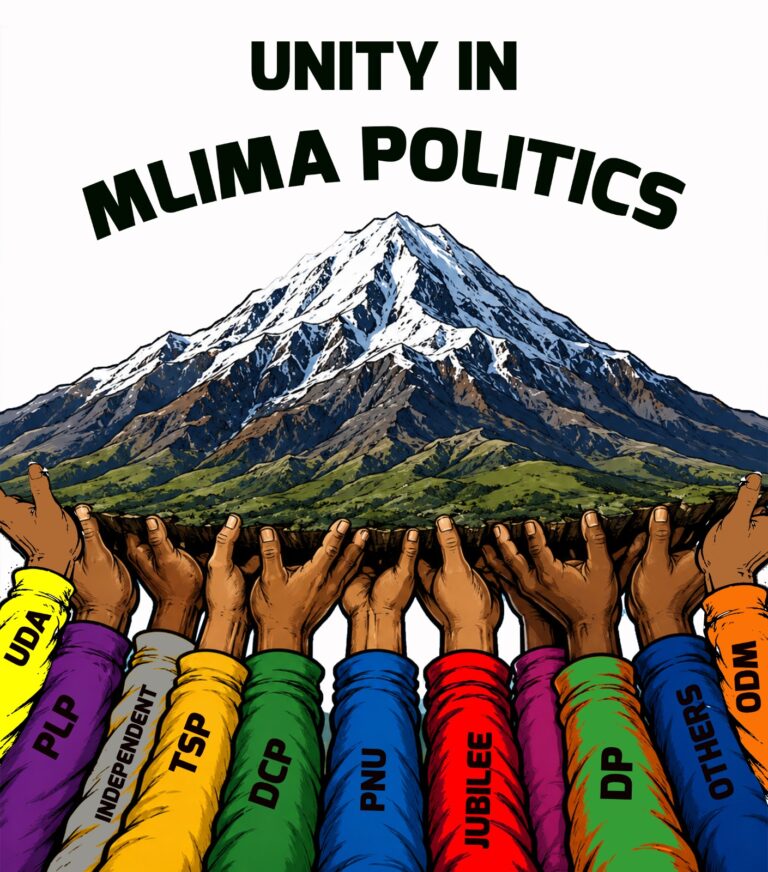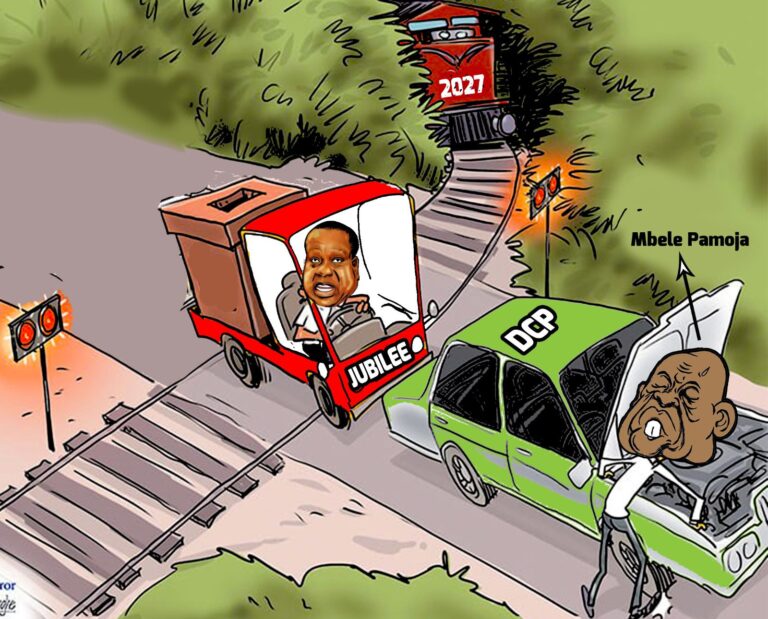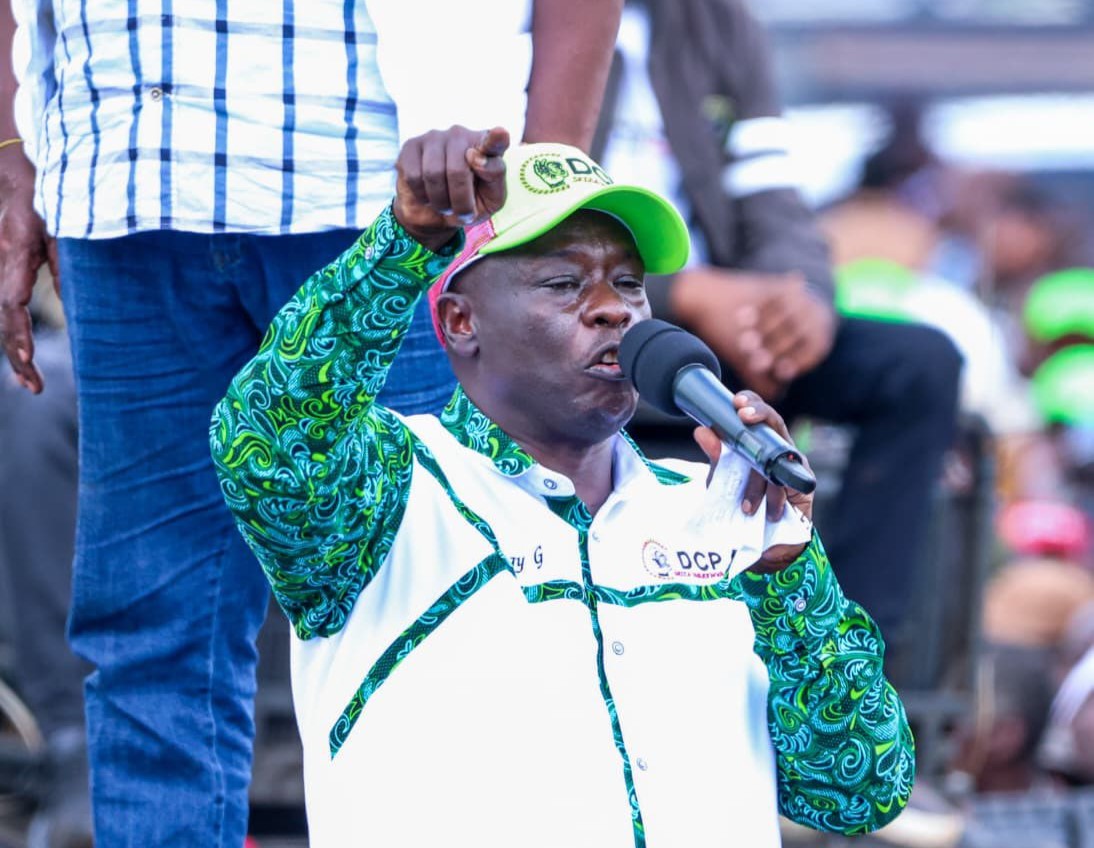
There is something deeply troubling about the direction of politics in Mt Kenya: the growing attempt to turn a politically diverse region into the preserve of one party and, ultimately, one political leader.
DCP Party Leader Rigathi Gachagua has every democratic right to build his party, recruit supporters and compete for votes. That is what democracy is about. The problem begins when political competition is treated as a threat and other parties are portrayed as enemies simply because they refuse to submit to one political command.
Mt Kenya should be particularly careful about this.
Kenyans did not fight for multiparty democracy so that one day another political leader could emerge and demand that an entire region rally behind one party. The country remembers the KANU era, when political power was so concentrated that being expelled from the ruling party could effectively end a politician’s career.
That is the political culture Kenyans fought to dismantle.
The danger today is not necessarily the legal abolition of political parties. It is the creation of a political environment where only one party is considered legitimate within a community, while every competing party is deliberately discredited, isolated or branded as an enemy of the region.
That would be political monopoly by another name.
Gachagua cannot simultaneously claim to champion the interests of Mt Kenya while attempting to dictate the political choices available to its people. The people of the region are not a political possession. They are citizens with different interests, opinions and political loyalties.
DCP may become a powerful party. It may win elections. It may even become the most popular party in the region. But that should happen through persuasion, performance and the ballot—not through the destruction of political competition.
A politically mature Mt Kenya should have several strong parties competing for its support. Competition gives voters bargaining power. It forces leaders to listen. It prevents political leaders from becoming untouchable.
The region therefore needs to reject the idea that one leader must become its political “Baba na Mama.”
Gachagua should be allowed to compete—but he should not be allowed to define the boundaries of political choice.
Mt Kenya fought for political pluralism. It should not surrender it to Gachaguas new political monopoly.
About the Author