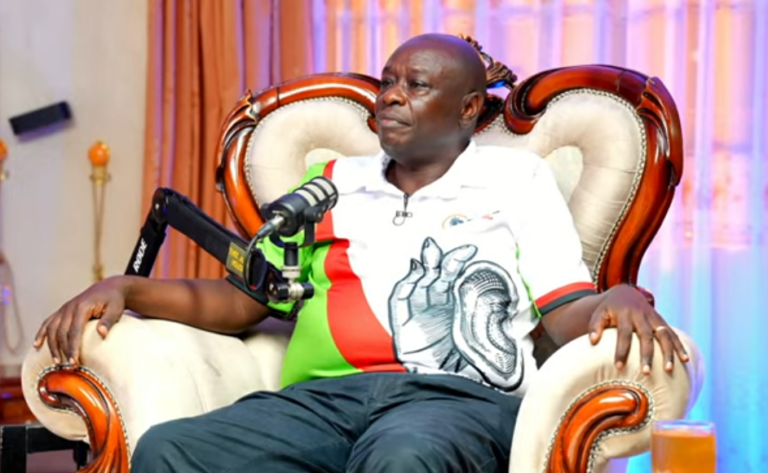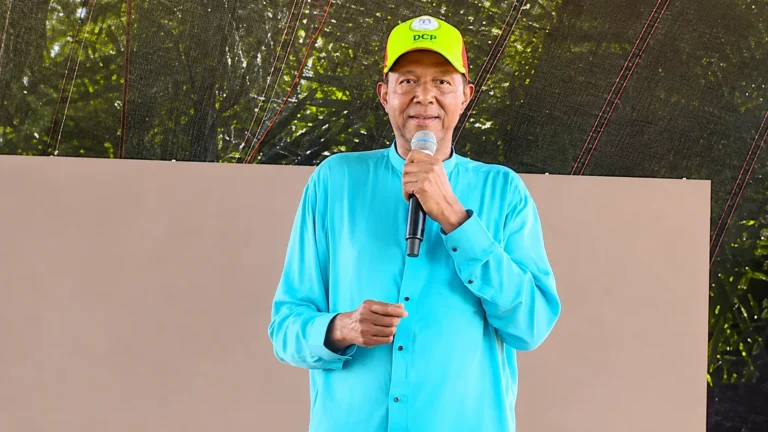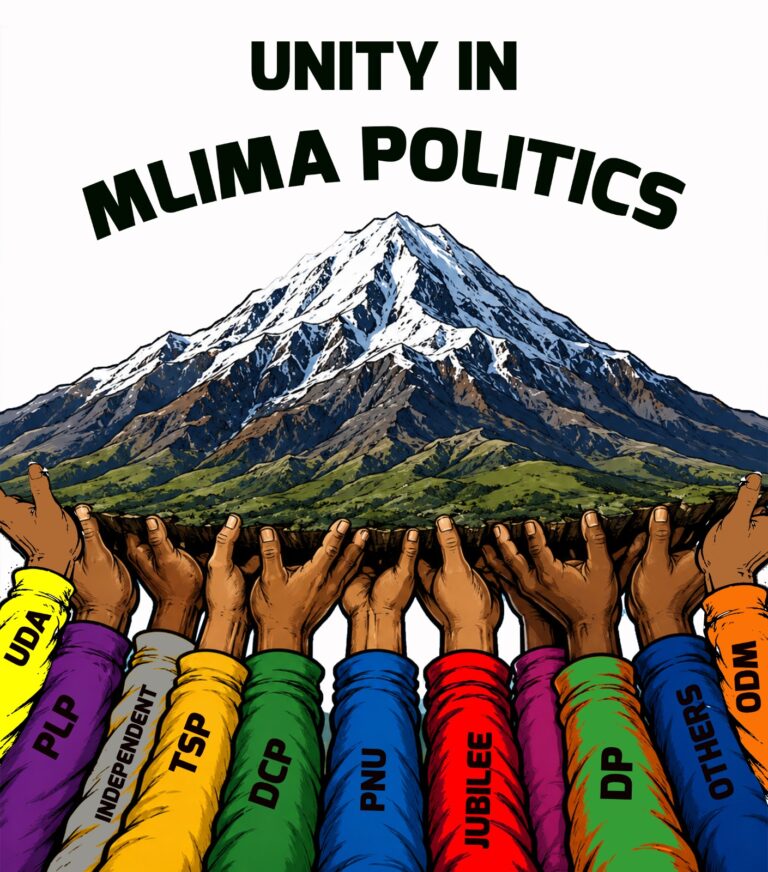
Rigathi Gachagua’s recent public conduct raises serious questions about the kind of leadership he intends to offer Kenyans. Leadership is not measured by the volume of one’s voice or the ability to intimidate others. It is measured by humility, respect, persuasion, and the ability to unite people with different opinions.
Unfortunately, Gachagua’s public engagements increasingly reflect bullying and authoritarian tendencies that remind many Kenyans of the leadership culture he once served under in UDA. Rather than building consensus, he often appears to issue demands, dismiss opposing views, and publicly lecture fellow leaders as though they are answerable to him. That approach may attract headlines, but it does little to inspire confidence in his ability to lead a broad democratic movement.
Kenya’s democracy thrives on dialogue, tolerance, and respect for differing political opinions. Leaders are free to disagree, but disagreement should never descend into insults, threats, or attempts to belittle others. Political influence is earned through ideas and persuasion, not through intimidation or public humiliation.
If Gachagua genuinely hopes to unite the opposition and present himself as a credible national leader, he must change both his tone and his approach. Courtesy is not a sign of weakness; it is a mark of maturity and statesmanship. Respecting fellow leaders, even when they disagree with him, would strengthen rather than diminish his political standing.
Kenyans are looking for leaders who can bring people together, not deepen divisions through confrontational politics. The country has experienced enough political hostility to understand that lasting progress comes from dialogue, mutual respect, and inclusive leadership.
Gachagua still has an opportunity to redefine his public image. But that begins with choosing respectful language, treating every leader with dignity, and demonstrating that leadership is about serving people—not commanding them.
About the Author