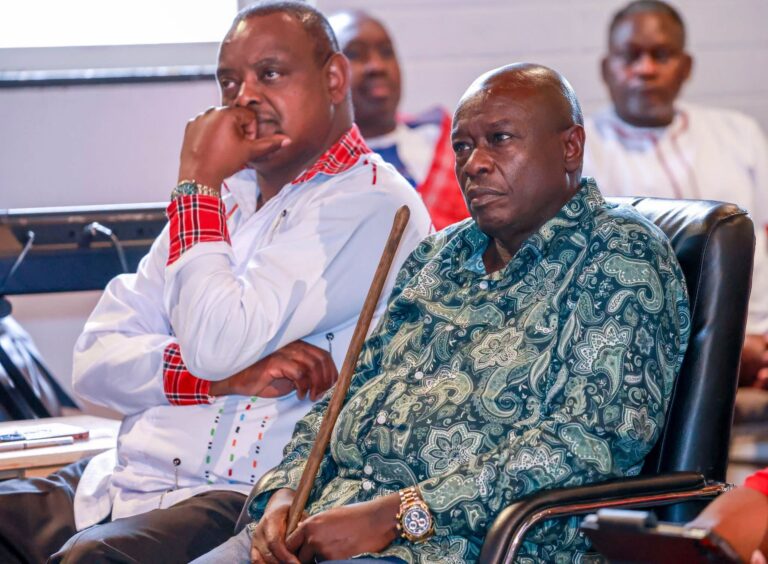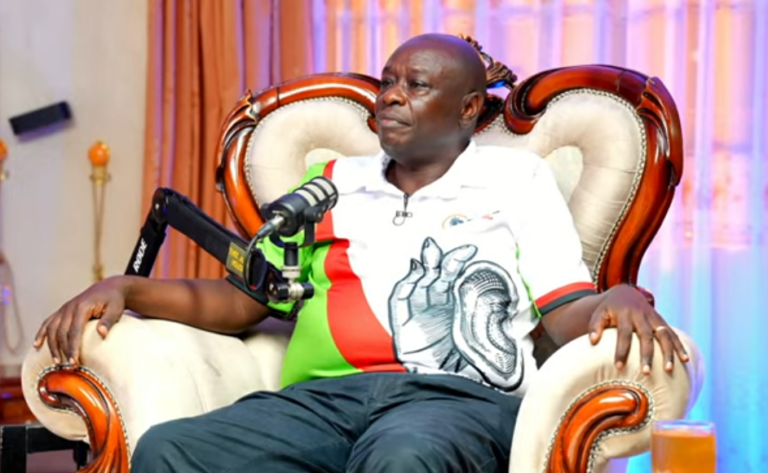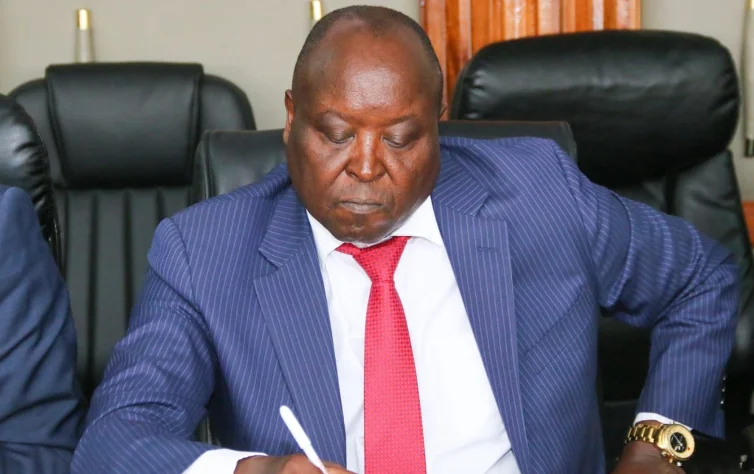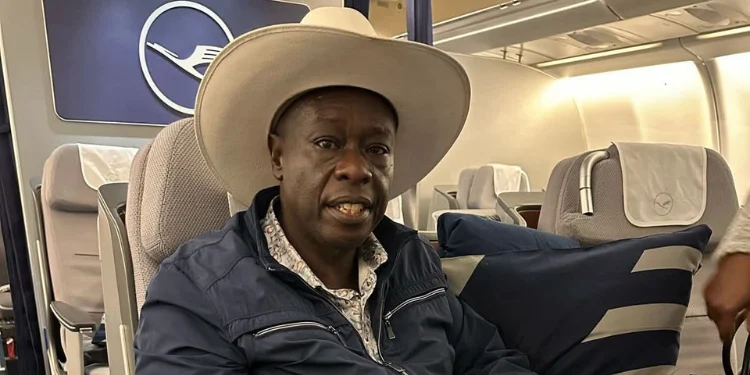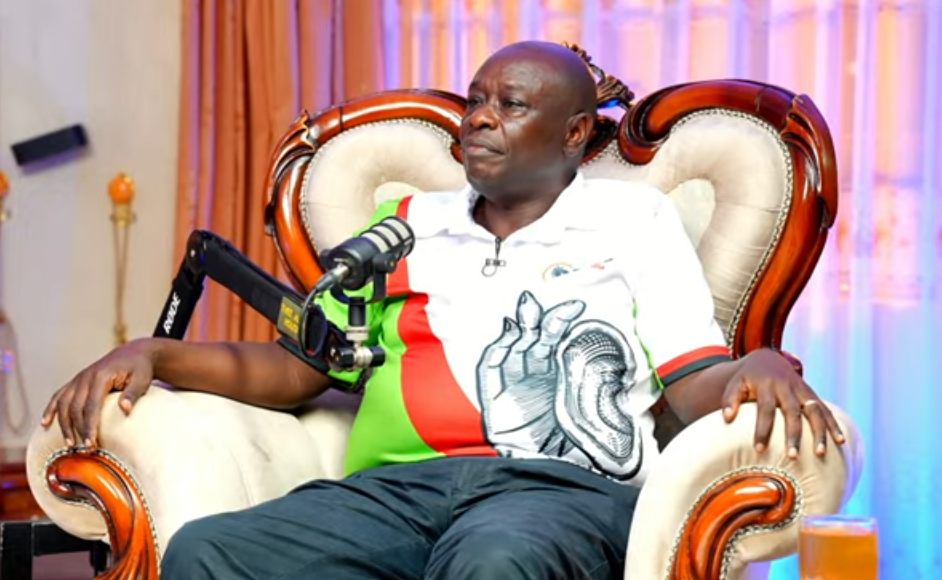
Fresh cracks have emerged within the Democracy for Citizens Party (DCP), with disgruntled aspirants accusing the party leadership of financial mismanagement, poor campaign planning and turning candidates into “cash cows” during the recently concluded Ol Kalou by-election campaign.
At the centre of the complaints is party leader Rigathi Gachagua, whom the aspirants accuse of collecting millions of shillings in campaign contributions without adequately supporting those on the ground.
According to several aspirants, those seeking gubernatorial seats were required to contribute KSh1 million each, senatorial aspirants KSh600,000, parliamentary hopefuls KSh400,000 and MCA aspirants KSh50,000. The funds, they claim, were sent to Gachagua’s Wamunyoro base with the understanding that they would bankroll the Ol Kalou campaign and strengthen the party’s grassroots operations.
The aggrieved members estimate that close to KSh150 million was raised through the contributions and other fundraising efforts linked to the by-election. However, they allege that little of the money found its way to campaign activities, leaving aspirants to finance mobilization from their own pockets.
The controversy has also extended to donations received during the campaign. Aspirants claim that a double-cab pickup donated to Gachagua while he was in the United Kingdom for use during the Ol Kalou campaigns is now stationed at Outspan Hotel, where they allege it is being used for errands unrelated to party activities instead of serving the purpose for which it was donated.
The frustrations reportedly reached a boiling point after Senator John Methu allegedly informed aspirants that there were no campaign funds available and urged them to contribute even more towards the exercise. Mobilization teams coordinated by Kamau Ngotho were reportedly assigned to individual aspirants, who were expected to organize door-to-door campaigns and public meetings of between 100 and 200 people at their own expense. Each stop, they say, cost between KSh50,000 and KSh100,000, prompting some aspirants to abandon the exercise altogether.
The aspirants further faulted the campaign’s organization, describing it as disjointed and lacking clear structures. They accused Wanjiku Muhia of seeking media attention during campaign events before disappearing when coordination was required. Other elected leaders were accused of leaving aspirants to shoulder the campaign burden while citing parliamentary commitments.
The growing discontent has raised fresh questions about DCP’s preparedness ahead of the 2027 General Election. Several aspirants now fear that if the same approach is replicated during party nominations, internal divisions could deepen, threatening the party’s cohesion before it fully establishes itself as a national political force.
About the Author