Something unusual and deeply strategic is taking shape around DCP party leader Rigathi Gachagua. It is not just about rallies, speeches, or alliances. It is about money, loyalty, and control.
Behind the scenes, a quiet demand is said to be echoing across his political network: contribute—or be left out. Aspirants and aligned leaders are reportedly being pushed to part with as much as KSh 1 million every month to stay in his good books. The reasoning is as blunt as it is revealing—if the money is not collected now, it may never come once they are elected.
But this is not just fundraising. It is positioning.
Gachagua appears to be building more than a party; he is assembling a political machine—one funded upfront, tightly controlled, and bound by financial loyalty. Every contribution becomes a thread tying leaders closer to him, long before voters ever cast their ballots.
And then comes the endgame.
With a network of elected leaders owing both their positions and financial commitments to him, Gachagua would hold something far more powerful than influence—he would hold leverage. In Kenya’s high-stakes politics, numbers matter. But controlled numbers? That is currency.
Critics argue that this is where the danger lies. If leaders are “invested in” before elections, their independence after victory becomes questionable. Will they answer to the people—or to the man who built and financed their path?
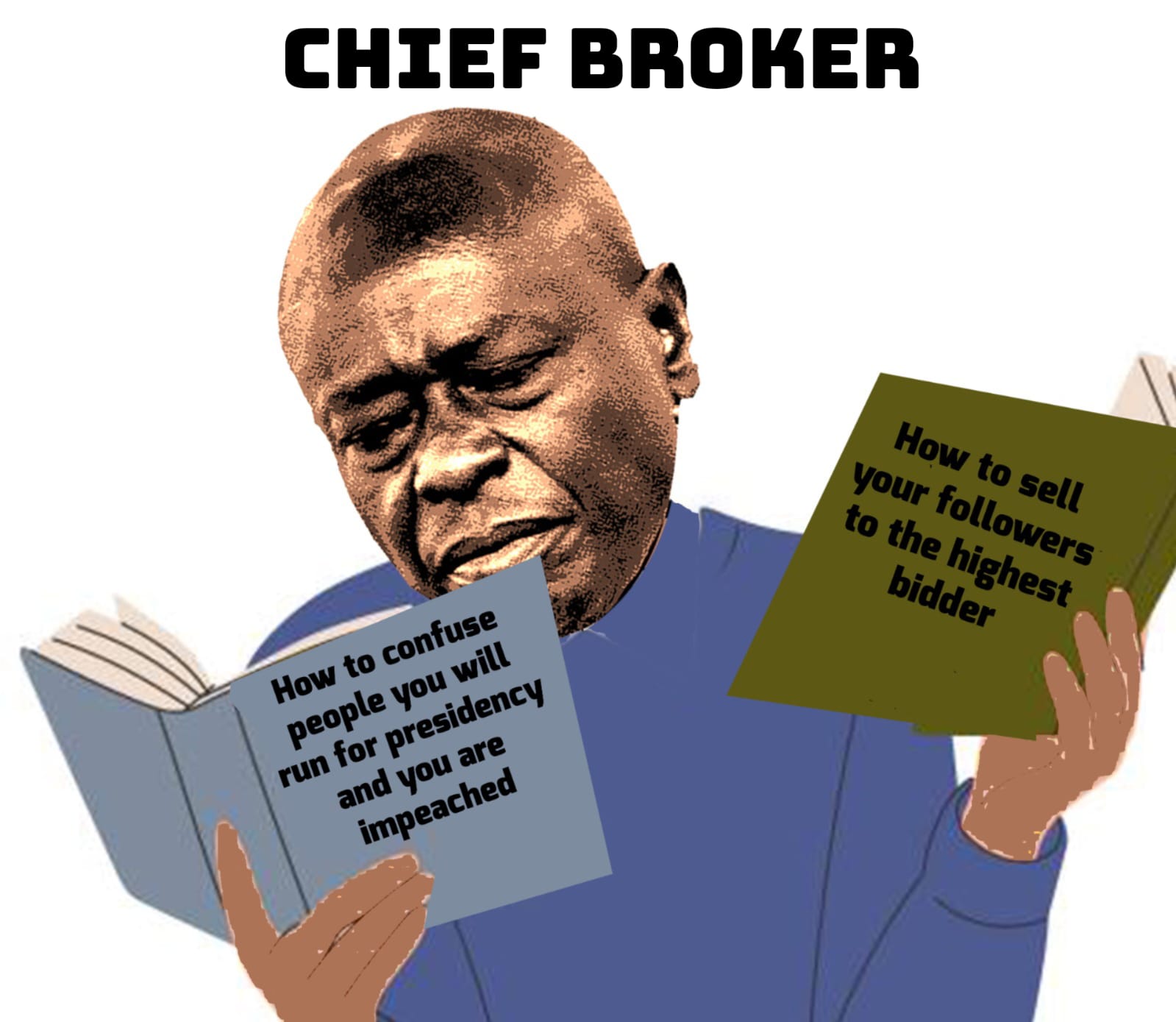
Some observers go further, warning that such a bloc could eventually be positioned for negotiation with whoever captures the presidency in 2027—turning political support into a commodity to be traded.
Supporters may call it smart politics. But others see a different picture forming—one where leadership is pre-packaged, loyalty is monetised, and representation risks being reduced to the highest bidder.
As the political temperature rises, one question lingers: is this preparation for leadership—or preparation for a deal?
About the Author