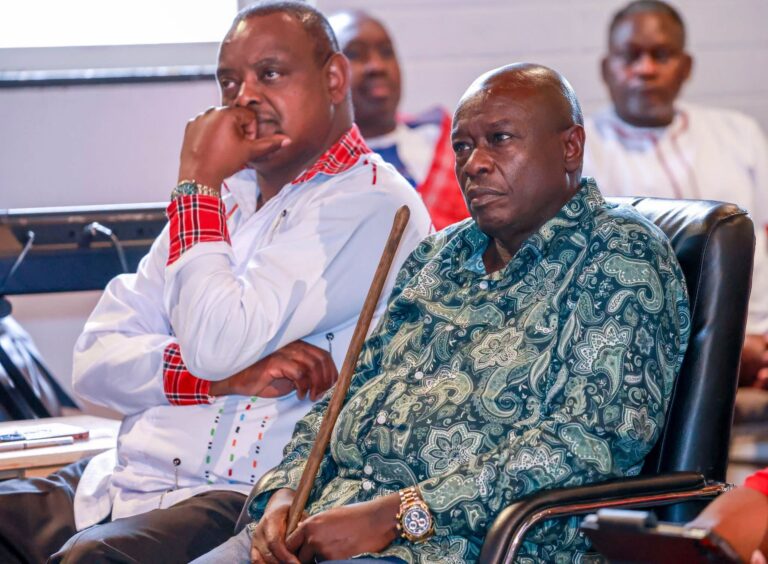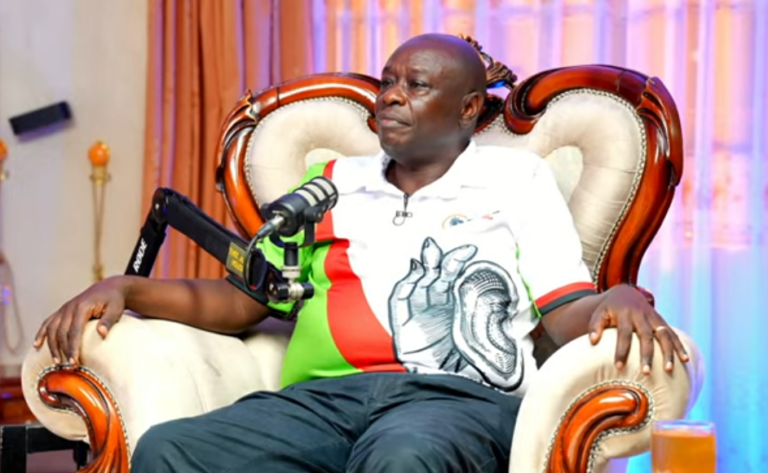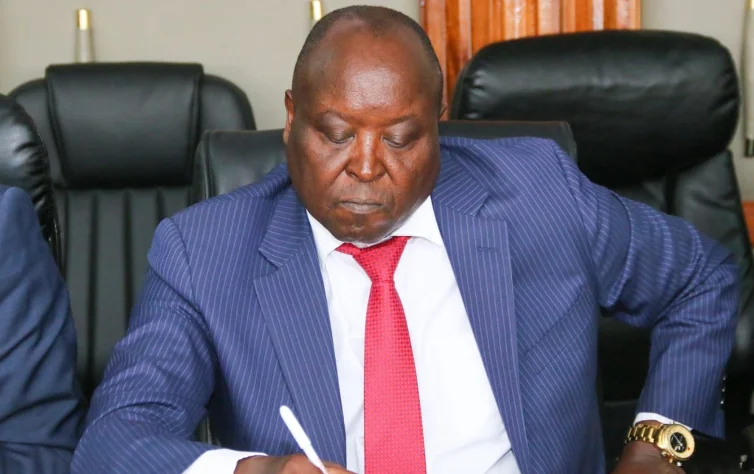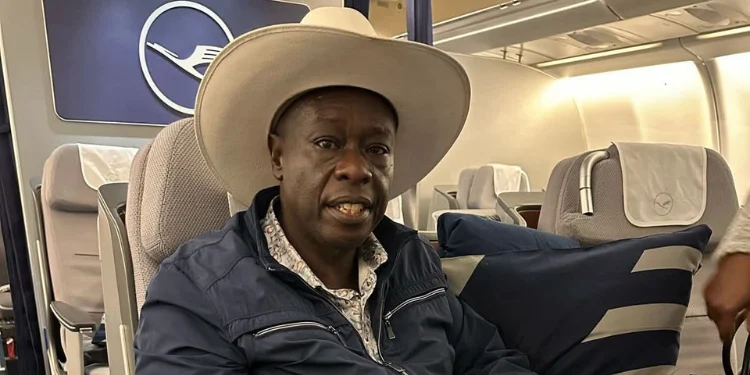
The debate over the Ol Kalou by-election has once again exposed the tension within Kenya’s opposition politics, raising questions about unity, strategy, and long-term ambition ahead of the 2027 general election. At the centre of the discussion is DCP party leader Rigathi Gachagua and the growing call for coordinated decision-making among opposition parties.
The argument being made by political stakeholders is straightforward: if the opposition is serious about presenting a credible alternative to the ruling establishment, then it must begin by demonstrating discipline in smaller contests like by-elections. Allowing multiple competing candidates risks splitting votes, weakening the broader coalition, and ultimately handing advantage to political opponents.
This is why some leaders are urging that the Jubilee Party be allowed to field a candidate in Ol Kalou as part of a broader opposition agreement. The thinking is that stronger coordination, even if it requires individual parties to step back in certain contests, will help build trust and establish a foundation for cooperation going into 2027.
However, the challenge lies in balancing party interests with coalition politics. Every party within the opposition space has its own structures, supporters, and expectations. Managing these competing interests requires negotiation, compromise, and a shared understanding of the bigger picture.
Critics of internal competition argue that constant rivalry within opposition ranks risks undermining the very unity they seek to promote. Instead of focusing on who controls which seat, they say, leaders should concentrate on building a coherent national strategy capable of challenging the current administration effectively.
For Gachagua and other opposition figures, the Ol Kalou contest therefore becomes more than just a by-election—it becomes a test of political maturity and willingness to prioritize collective goals over individual or party advantage.
As the 2027 election draws closer, moments like these will determine whether the opposition can transform itself into a united force—or remain fragmented and reactive in the face of a well-organized political opponent.
About the Author