As the Ol Kalou by-election approaches, the United Opposition faces a defining test—one that goes beyond a single parliamentary seat and speaks directly to its credibility ahead of 2027. The question is simple: will the opposition act as a coalition, or as competing factions?
The case for unity is clear. The Jubilee Party rightfully held the seat through the late MP, and allowing it to defend that position is not just strategic—it is principled. Political consistency matters. If parties cannot respect each other’s ground in by-elections, it becomes difficult to convince voters that they can cooperate at the national level.
There is also precedent. In Mbeere North, the opposition stepped aside and allowed the Democratic Party to defend its seat. That decision sent a strong signal of coordination and mutual respect. Replicating the same approach in Ol Kalou would reinforce that the opposition is guided by rules, not convenience.
The alternative—multiple opposition candidates—risks splitting votes and handing victory to rivals. It is a familiar mistake in Kenyan politics, where internal competition often weakens broader alliances. Avoiding that trap requires discipline, compromise, and a willingness to think beyond individual party ambitions.
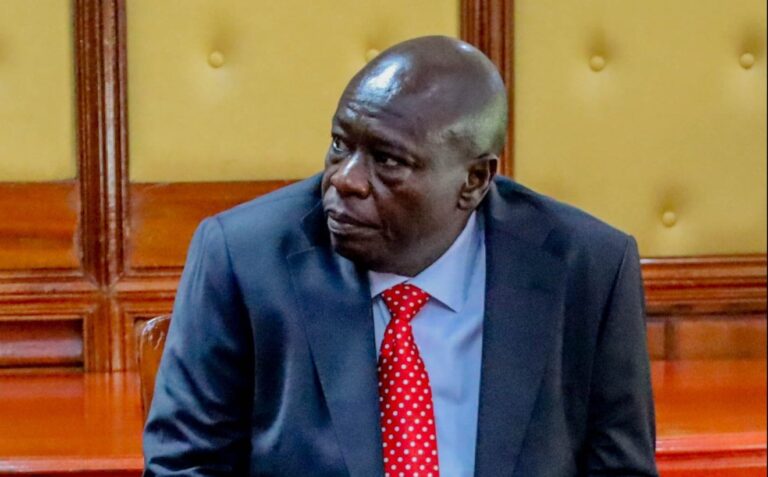
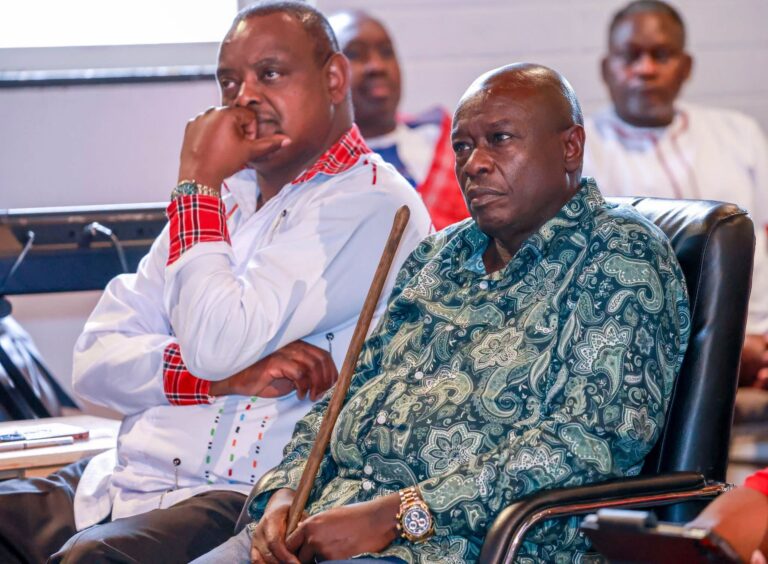
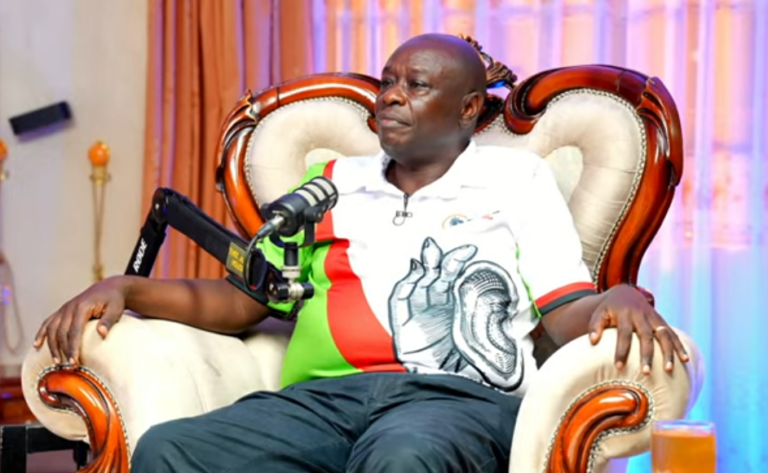
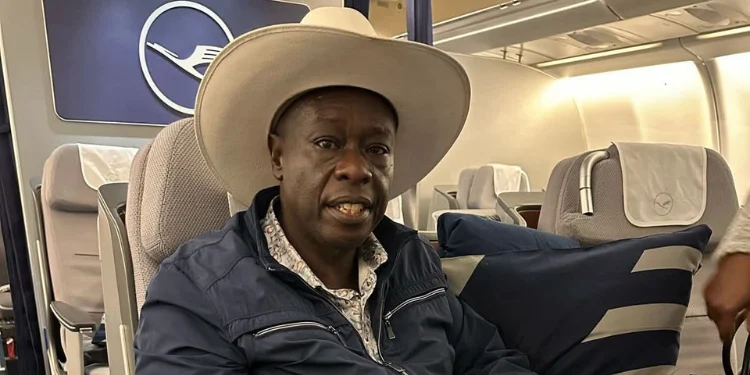
For figures like Rigathi Gachagua and parties such as the Democracy for Citizens Party, this moment offers an opportunity to demonstrate leadership. Stepping aside is not a sign of weakness; it is a signal of strategic thinking and commitment to a larger goal.
Ultimately, Ol Kalou is more than a by-election—it is a rehearsal for 2027. If the opposition cannot unite here, it risks repeating the same divisions that have cost it in the past. But if it stands together behind one candidate, it sends a powerful message: that it is ready not just to compete, but to govern.
About the Author