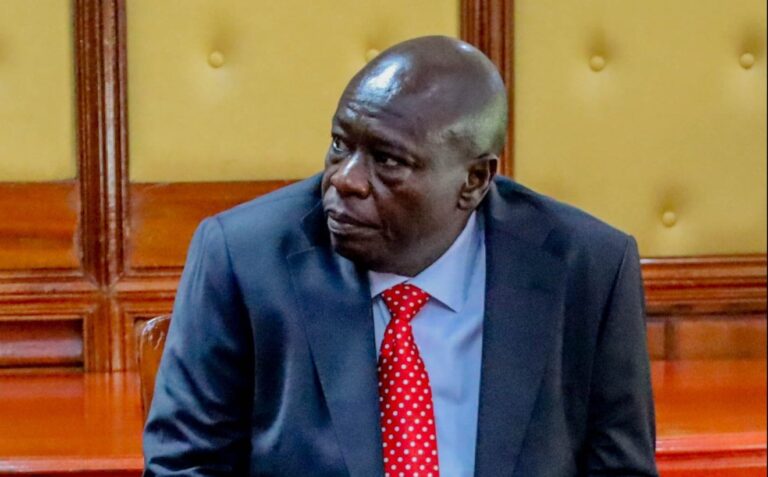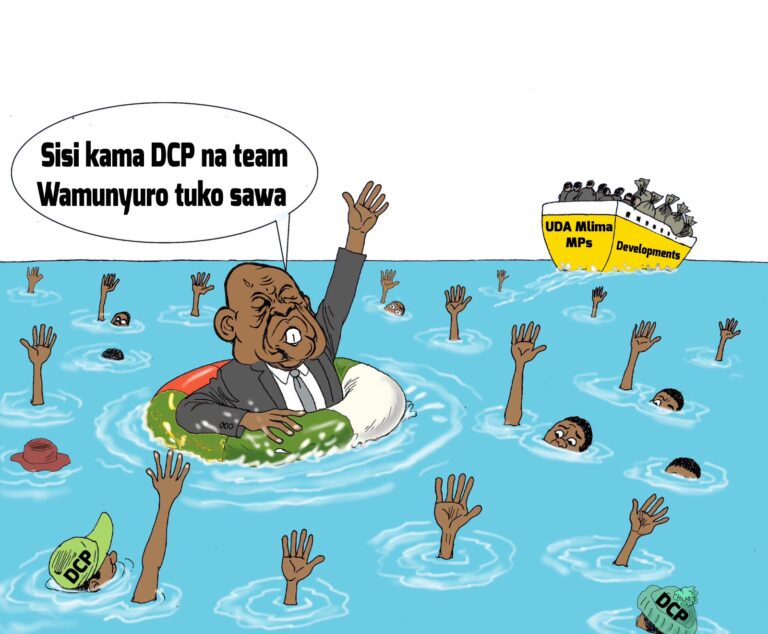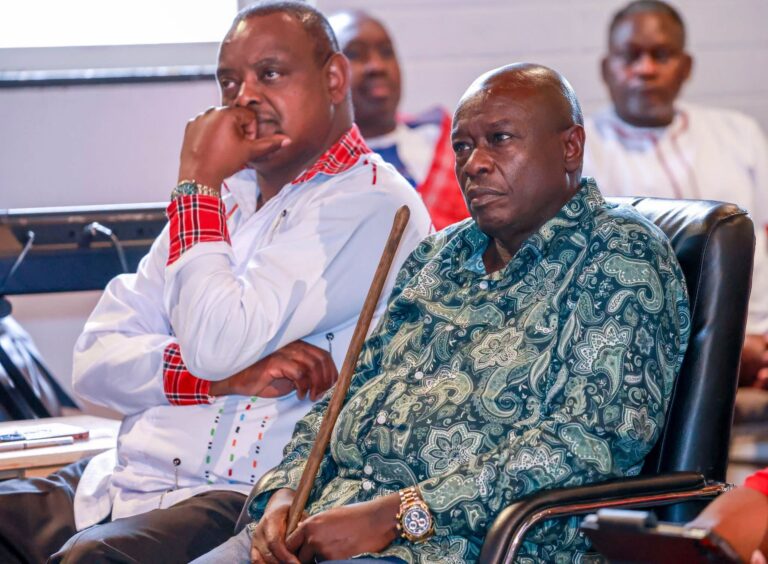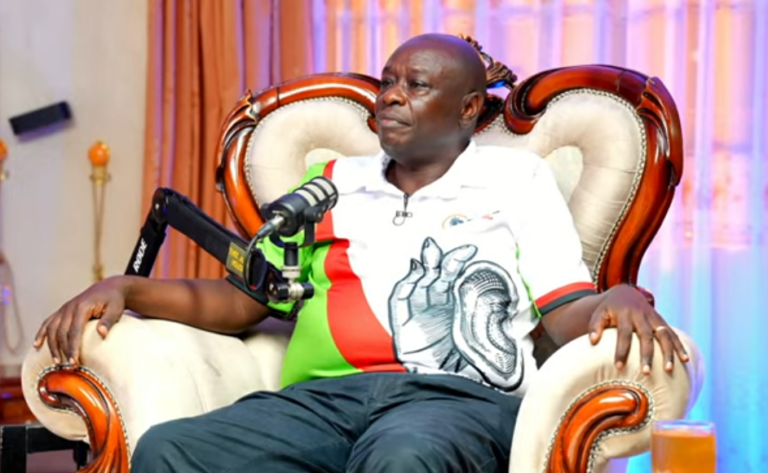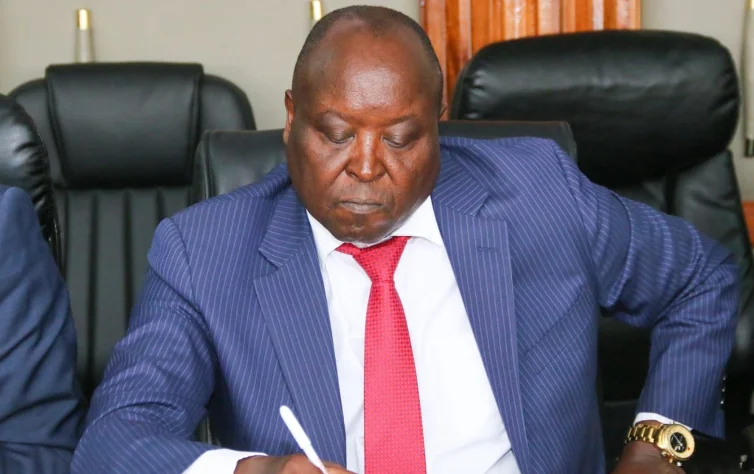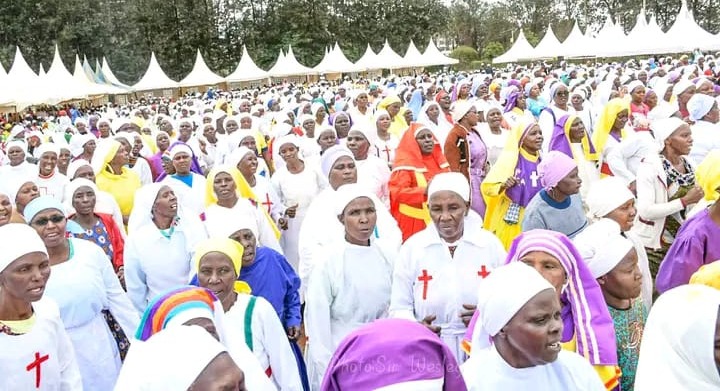
A section of church leaders across Mt Kenya is reportedly considering a controversial move: charging DCP party leader Rigathi Gachagua a standard fee of up to KSh500,000 for any appearance during church services.
The proposal follows growing concern among clergy and congregants over what they describe as the increasing politicisation of the pulpit. According to sources within church circles, Gachagua’s mid-service appearances have sparked discomfort, with some accusing him of using sacred platforms to advance political messaging, including remarks perceived as divisive or inflammatory.
Traditionally, politicians attending church services present donations framed as support for development projects—ranging from choir uniforms and sound systems to construction and welfare programs. However, critics now argue that this practice has blurred the line between genuine support and transactional access to congregations.
The emerging proposal seeks to flip that dynamic. Instead of informal donations tied to appearances, some church leaders want a formal, transparent structure where any political figure addressing congregants contributes a fixed amount directly to church development funds and community initiatives.
Supporters of the idea say the funds could strengthen church projects, expand outreach programs, and support vulnerable members. “If the church is being used as a platform, then it should also benefit in a structured and accountable way,” one clergy member noted.
Others say the move is also meant to discourage the use of church services for political attacks or propaganda. By attaching a clear cost, leaders hope to limit unnecessary appearances and preserve the sanctity of worship.
However, the proposal has also sparked debate. Some faithful worry that formalising such payments risks commercialising the church, while others argue it could enhance transparency compared to behind-the-scenes arrangements.
As discussions continue, the issue highlights a deeper tension: how to balance political engagement with the need to protect religious spaces from becoming arenas of division.
About the Author