A growing wave of concern is emerging from within the Jubilee Party, as aspirants warn that the party risks losing its political footing ahead of the 2027 general election due to what they describe as prolonged inactivity.
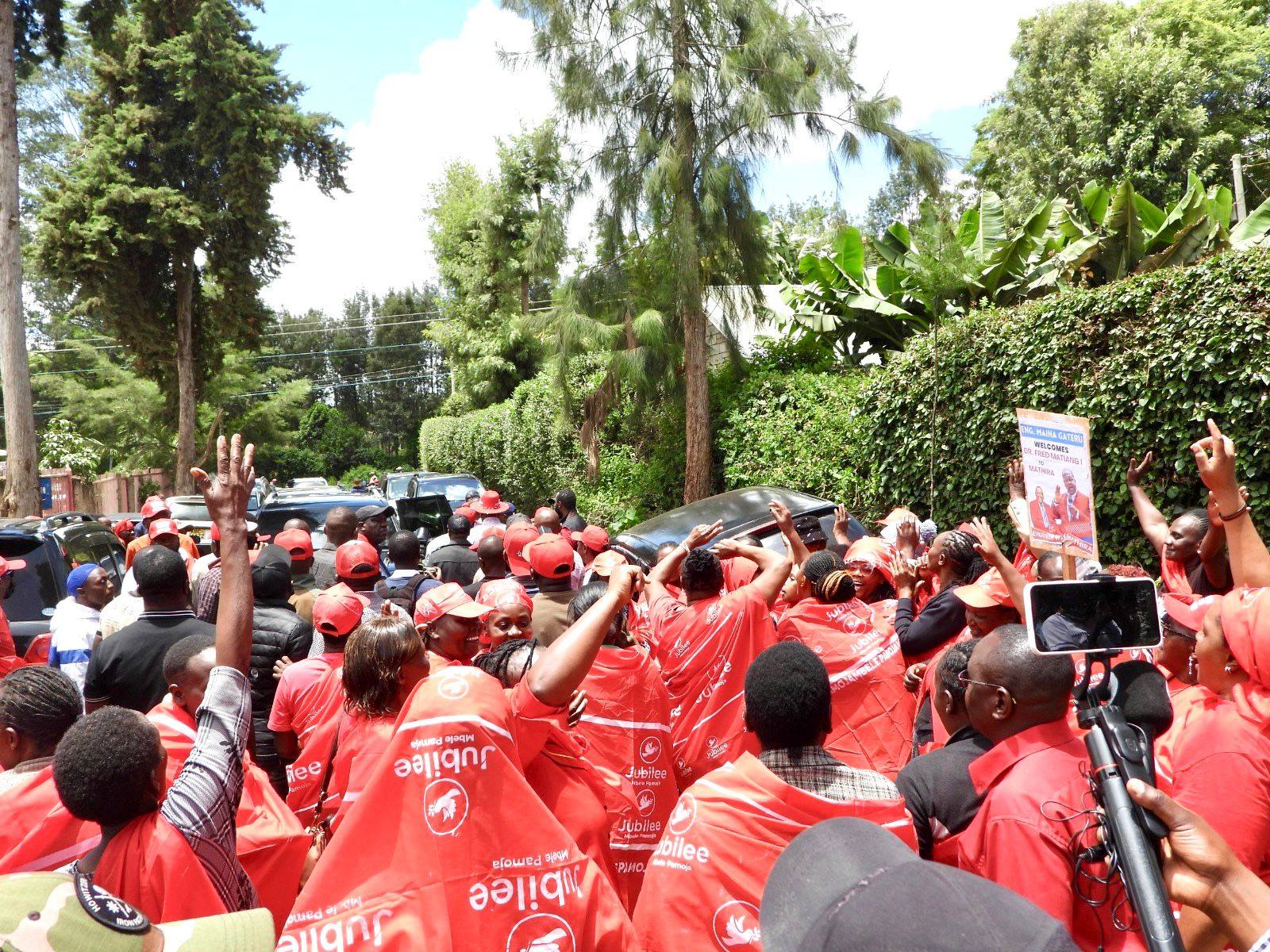
Several aspirants have pointed to the lack of grassroots mobilization as a major concern, noting that the party has not been actively engaging supporters at the local level. They argue that without sustained presence on the ground, Jubilee risks losing its traditional support base, especially in key regions where political competition is intensifying.
Equally troubling, they say, is the absence of a coordinated structure to organize and support aspirants. Many feel they have been left to operate independently, without clear direction or backing from the party leadership. This, they warn, could lead to disjointed campaigns and weaken Jubilee’s overall performance.
Attention has also turned to the party’s presidential hopeful, Fred Matiang’i, with concerns that he has yet to mount a strong, independent campaign to popularize Jubilee. Instead, his visibility appears tied to the broader United Opposition, raising fears that the party’s identity could be overshadowed within the coalition.
The lack of a distinct Jubilee voice has further fueled anxiety among aspirants, who believe the party risks fading into the background as other political formations take center stage. They argue that time is being lost at a critical moment when rivals are actively consolidating support and strengthening their grassroots networks.
With the 2027 election drawing closer, aspirants are now calling for urgent action to revive the party. They warn that without immediate efforts to rebuild structures, energize supporters, and assert its presence, Jubilee could be heading toward political decline.
About the Author