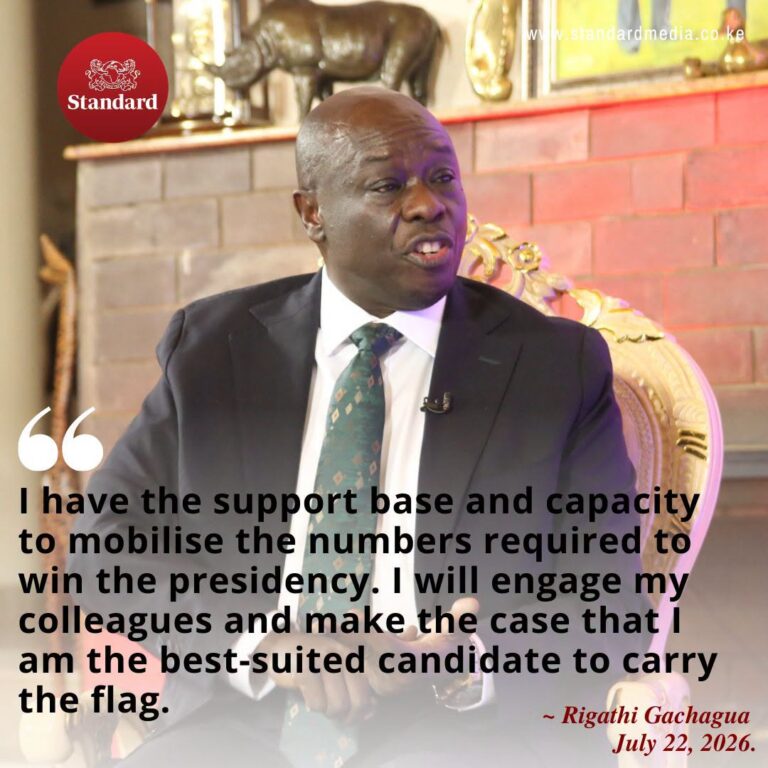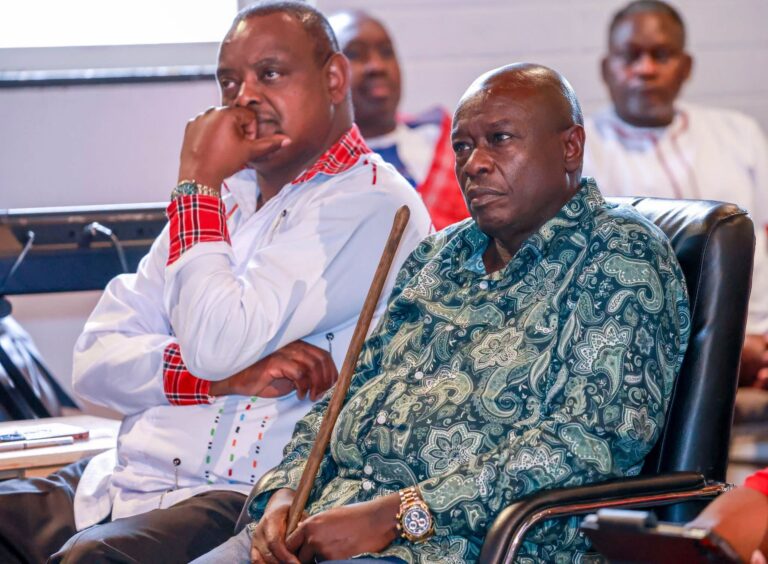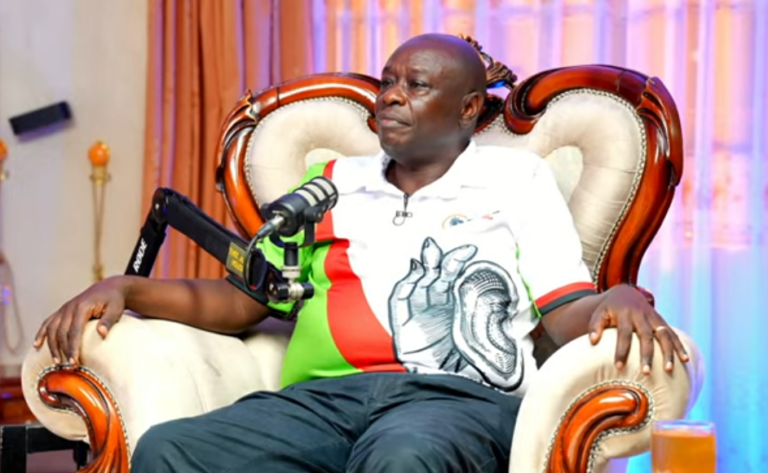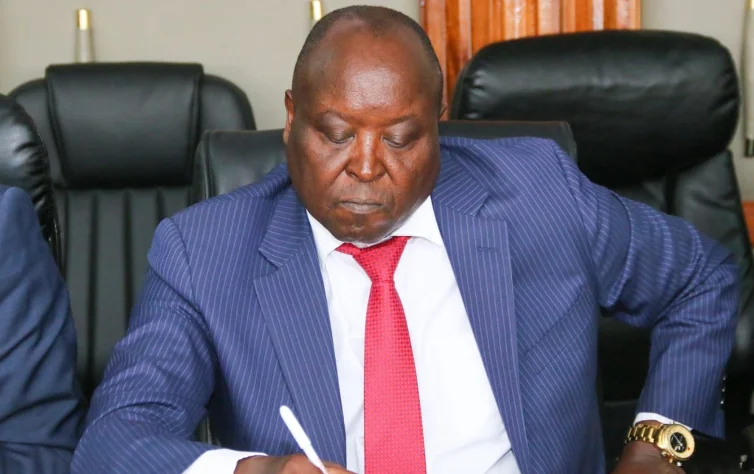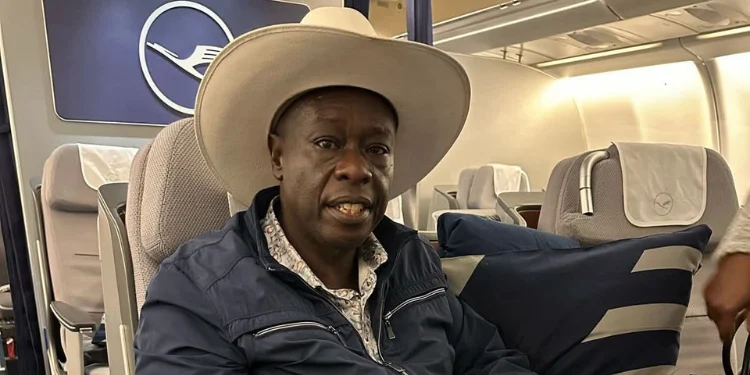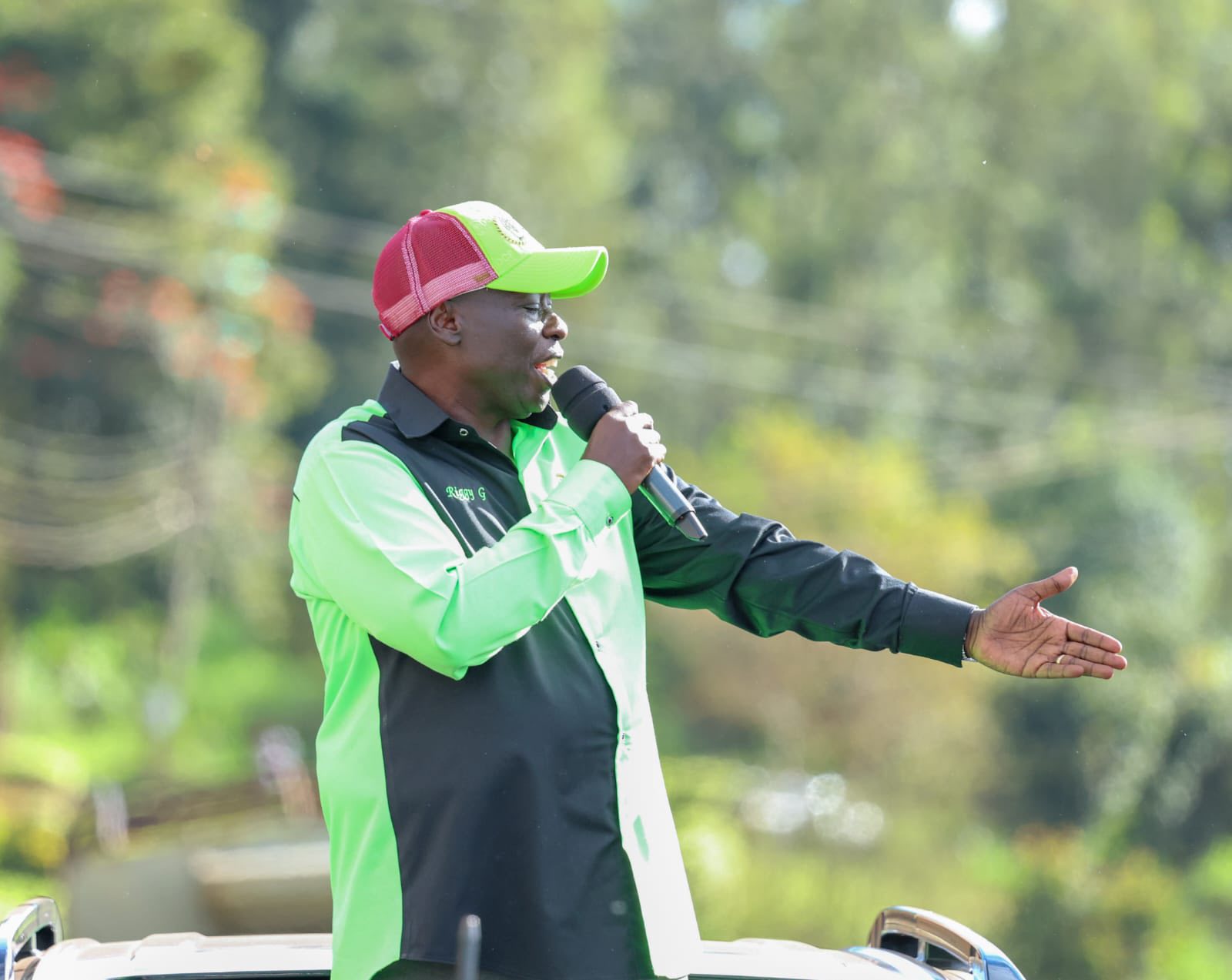
As political campaigns intensify ahead of the Ol Kalou by-election, attention is increasingly shifting to former Deputy President Rigathi Gachagua, whose political influence in the Mt Kenya region faces what could become its most significant test yet.
For months, Gachagua has maintained that the ruling United Democratic Alliance (UDA) has lost support in the region and is no longer capable of winning competitive elections. He has repeatedly described the party as politically weakened and disconnected from the interests of Mt Kenya voters.
However, the Ol Kalou by-election is now shaping up as a direct challenge to that narrative. Should UDA secure victory, questions are likely to emerge regarding the accuracy of Gachagua’s political assessment. Critics argue that a UDA win would undermine claims that the party is “dead” and could strengthen the perception that it remains a formidable political force despite growing opposition.
Political analysts note that elections are often judged not only by the final result but also by the message they send. A UDA victory in Ol Kalou would provide the party with renewed momentum while raising doubts about Gachagua’s ability to mobilize voters behind his preferred political direction.
The stakes are particularly high because politics is largely driven by perceptions of strength and momentum. Aspirants seeking elective positions, financiers looking to back winning campaigns, and coalition partners considering future alliances often gravitate toward leaders and parties that demonstrate electoral success.
A defeat for candidates aligned with Gachagua could therefore have consequences beyond a single constituency. It would likely fuel arguments from opponents that his influence in Mt Kenya is overstated and that his political machinery is struggling to translate public rallies into actual votes.
As a result, the Ol Kalou contest is increasingly being viewed as more than an ordinary by-election. For Gachagua, it represents a crucial credibility test. If UDA emerges victorious, the political conversation may shift from whether he is still a kingmaker in the region to whether he can still convincingly demonstrate control of the political ground he claims to command.
About the Author