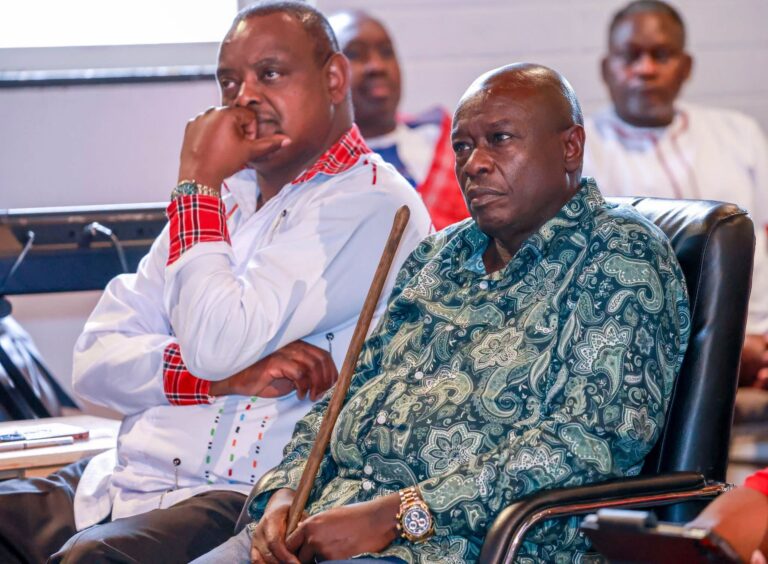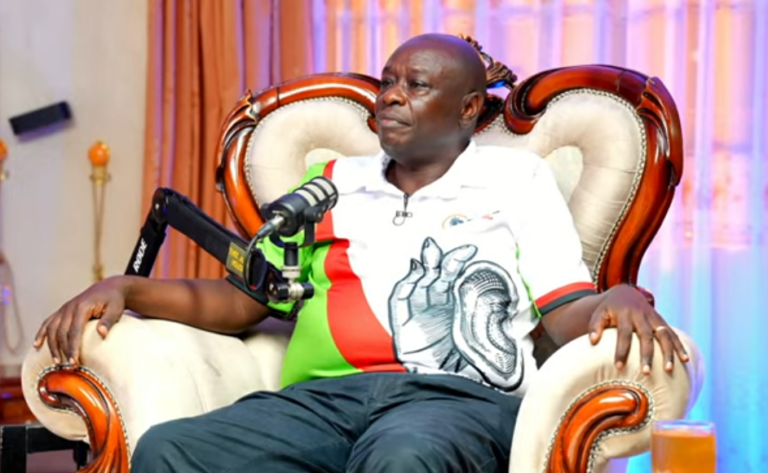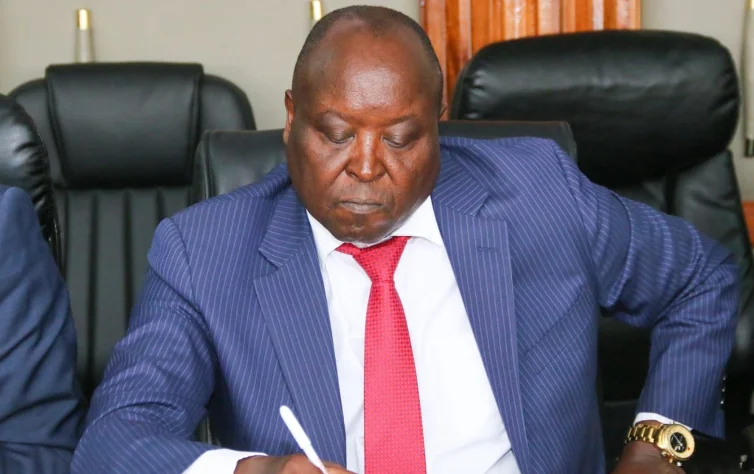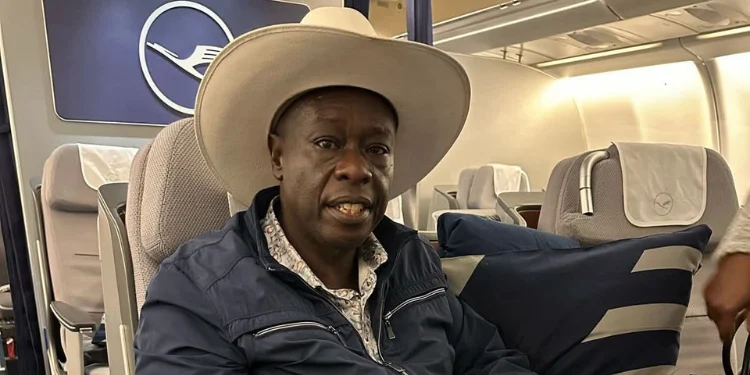
One of the most glaring political miscalculations in recent times has been the assumption that Kenya’s Gen Z movement can simply be absorbed into existing political formations.
Young activists have consistently and emphatically maintained that their movement did not originate under Rigathi Gachagua, nor under any political party, coalition, or self-proclaimed kingpin. They organized themselves, mobilized themselves, and delivered their message directly to the streets and across social media platforms, without seeking endorsement or permission from the political establishment.
This is precisely why every attempt to associate the movement with individual politicians has been met with fierce resistance.
Many participants have been quick to remind the public of an inconvenient truth: when Gachagua served as Deputy President, he was conspicuously absent as a champion of their cause. On the contrary, he openly endorsed a hardline approach against protesters rather than standing in solidarity with them. His now-infamous directive to police, telling them “not to kiss” demonstrators, remains etched in public memory.
Consequently, Gen Z voices have drawn a firm line: they will not allow their movement to be transformed into a vehicle for anyone’s political ambitions.
Their position has remained remarkably consistent and uncompromising: no politicians, no political parties, and absolutely no hijacking of their movement.
The message they continue to broadcast is unambiguous. If politicians want to take to the streets this Thursday, they are welcome to do so, but with their own supporters, their own agendas, and even their own children. The Gen Z movement is not for sale, rent, or political appropriation.
About the Author