The reports emerging from Ol Kalou should alarm every Kenyan who believes in national unity. According to KUPPET, dozens of teachers from communities perceived as “outsiders” have sought transfers amid fears of intimidation and ethnic profiling ahead of the constituency’s by-election. Whether every allegation is ultimately proven or not, the fact that teachers feel unsafe enough to request relocation is itself a warning sign.
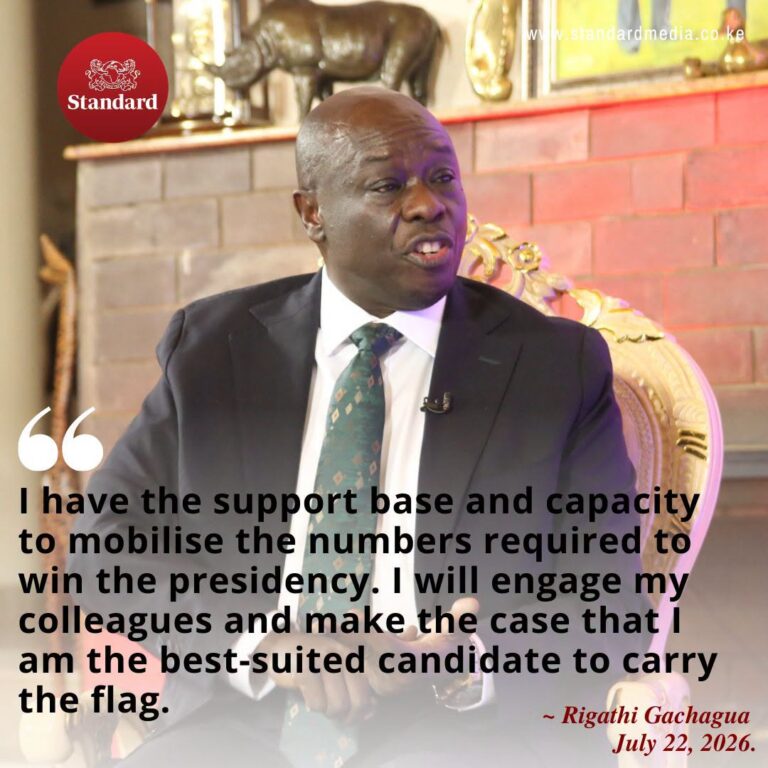
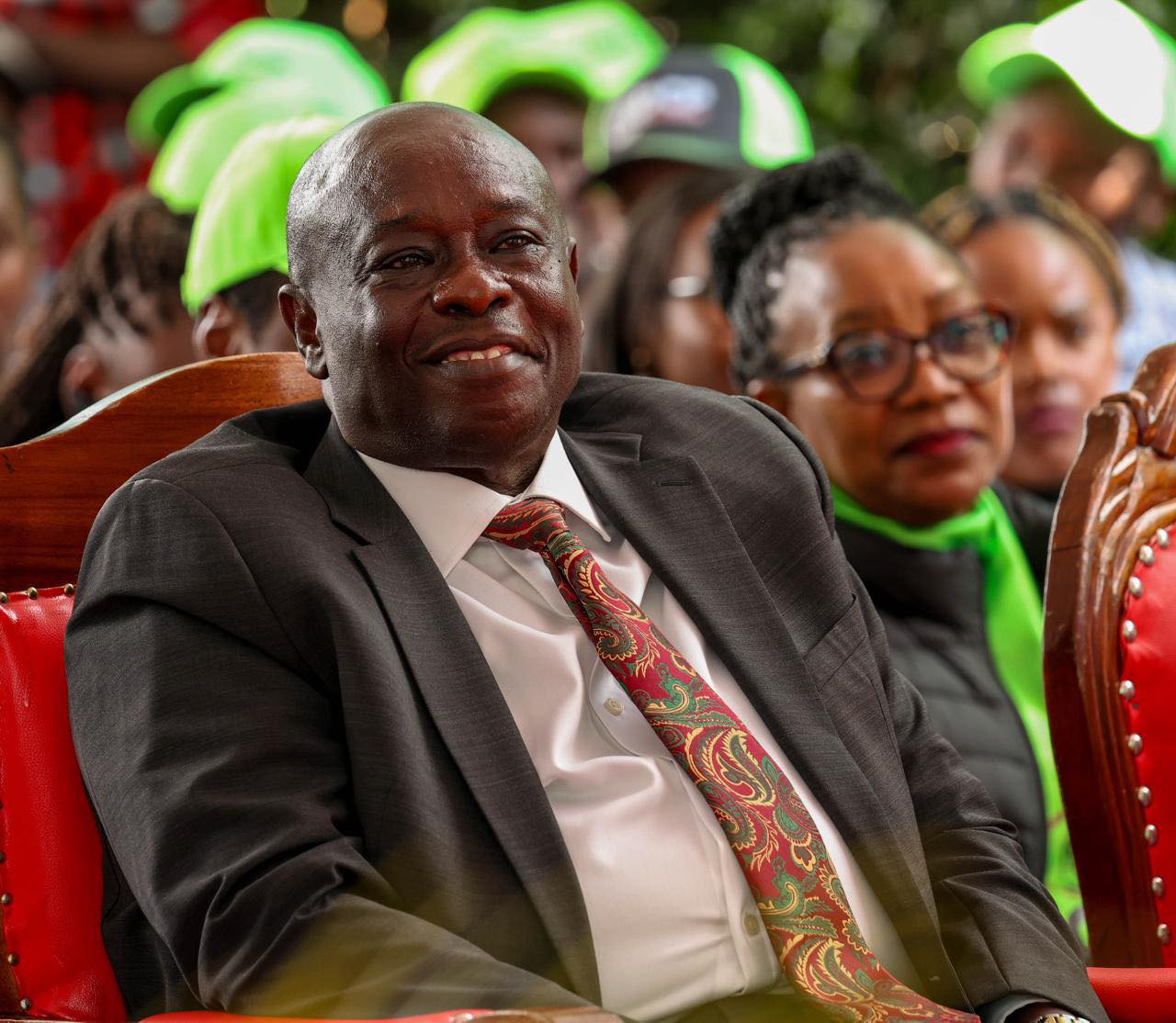
For years, DCP Party leader Rigathi Gachagua has built his political message around regional identity, grievance, and the notion that communities must politically organize primarily around ethnic interests. While his supporters may view this as protecting regional concerns, the long-term consequences of such politics are becoming increasingly difficult to ignore.
When political leaders constantly draw lines between “us” and “them,” some supporters inevitably begin viewing fellow Kenyans through the same lens. What starts as political rhetoric can quickly evolve into suspicion, exclusion, and hostility toward people who happen to come from different communities.
The situation in Nyandarua is particularly troubling because the individuals reportedly feeling targeted are teachers. These are not political activists or campaign operatives. They are professionals whose responsibility is to educate children and help build the country’s future. No teacher should have to worry about their safety because of their surname, ethnicity, or place of birth.
Kenya’s Constitution guarantees every citizen the right to live and work anywhere in the country. A Luo teacher in Nyandarua, a Kikuyu teacher in Kisumu, or a Somali teacher in Mombasa should enjoy the same rights, protections, and sense of belonging.
The Ol Kalou by-election should be a contest of ideas, policies, and leadership qualities—not ethnic identity. If reports of intimidation are true, authorities must investigate and hold those responsible accountable. Equally important, political leaders must appreciate that their words have consequences.
Kenya has come too far to return to the politics of tribal suspicion. Leaders who aspire to national influence should unite communities, not deepen divisions. The country needs bridges, not barriers; inclusion, not exclusion; and leadership that reminds Kenyans that they are citizens first and tribesmen second.
About the Author