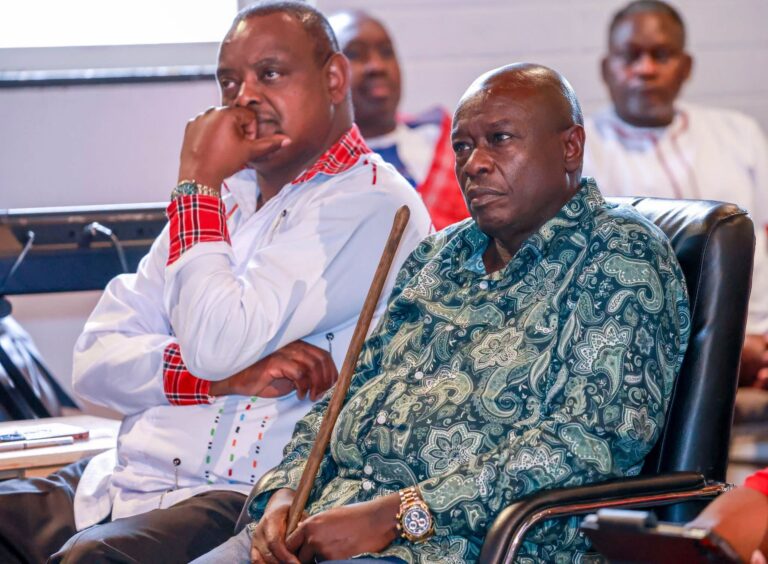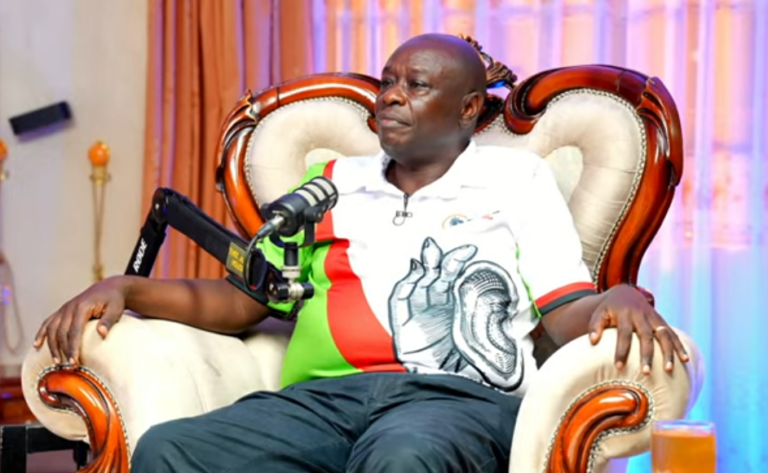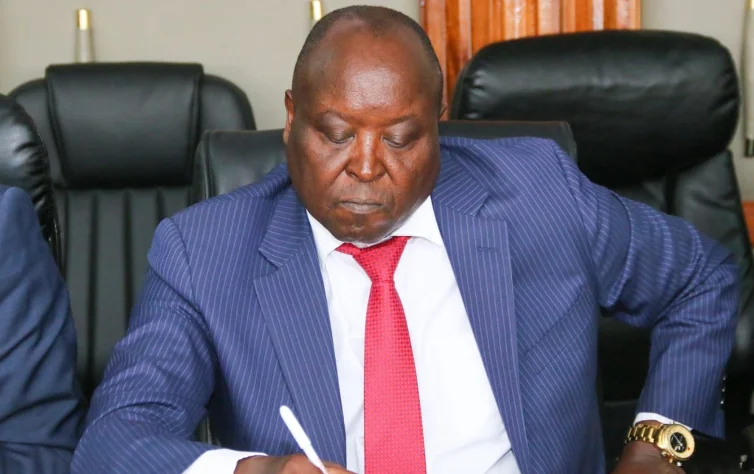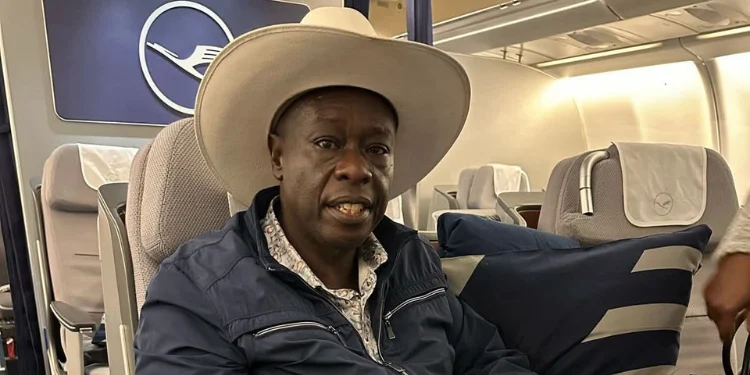
There is something deeply troubling about Rigathi Gachagua’s current political messaging. When he served as Deputy President under President William Ruto, he repeatedly assured Kenyans that the Mt Kenya region was united, respected, and firmly behind the government.
At the time, anyone questioning that unity was dismissed as an enemy of the community or a political troublemaker.
Fast forward to today, and the same Gachagua cannot stop complaining that Deputy President Kithure Kindiki has “divided the Mountain.”
The contradiction is impossible to ignore. If the region was truly united under Gachagua’s leadership, what exactly changed overnight? Did the people suddenly lose direction, or is this simply the bitterness of a politician struggling to accept that power has moved on?
What Kenyans are witnessing is not a fight for unity. It is entitlement disguised as political concern.
Gachagua appears unable to come to terms with the reality that leadership positions are temporary and that no individual owns a region politically. The Deputy President’s office is not hereditary. It does not belong permanently to one man, one family, or one faction. The Mt Kenya region is made up of millions of independent thinkers who are free to support whichever leader they believe represents their interests best.
Ironically, by constantly accusing Kindiki of dividing the Mountain, Gachagua may be the very person deepening divisions himself. Leadership should inspire calm, maturity, and vision. Instead, his public remarks increasingly sound like the frustrations of a man angry that he is no longer the sole political voice of the region.
Kenya has suffered for too long from leaders who treat communities like personal property. The politics of “my people,” “my region,” and “my numbers” has held the country hostage for decades. It is disappointing to see a national leader continue pushing this outdated mentality instead of promoting issue-based politics and national unity.
If Gachagua genuinely cares about the Mt Kenya region, he should focus on ideas, development, and constructive opposition — not endless bitterness over succession and influence.
Political relevance is earned daily through leadership and service, not through emotional blackmail or ownership claims over an entire community.
About the Author