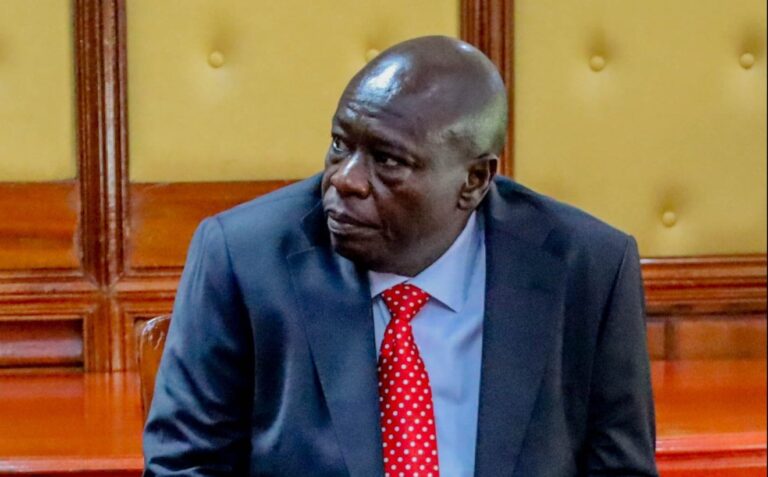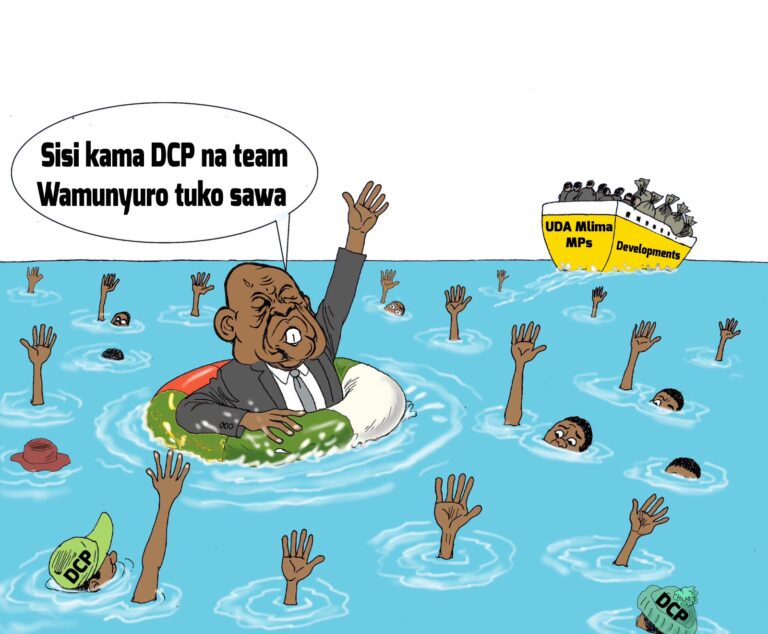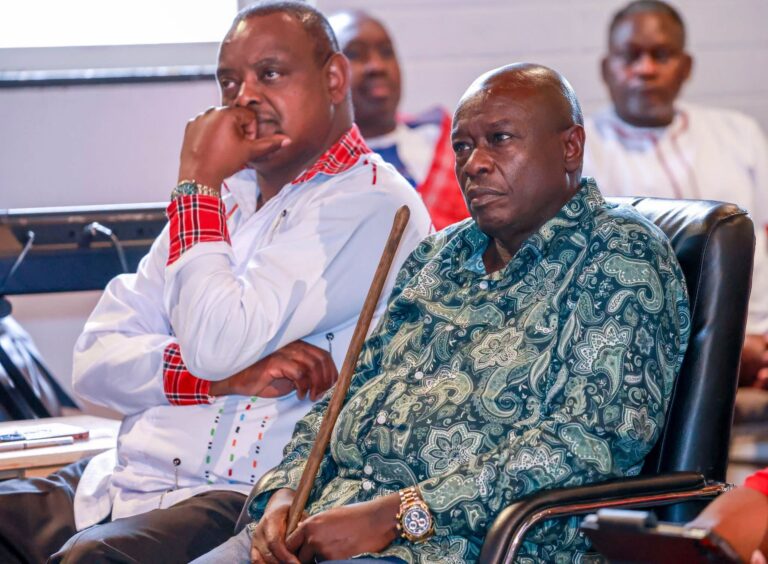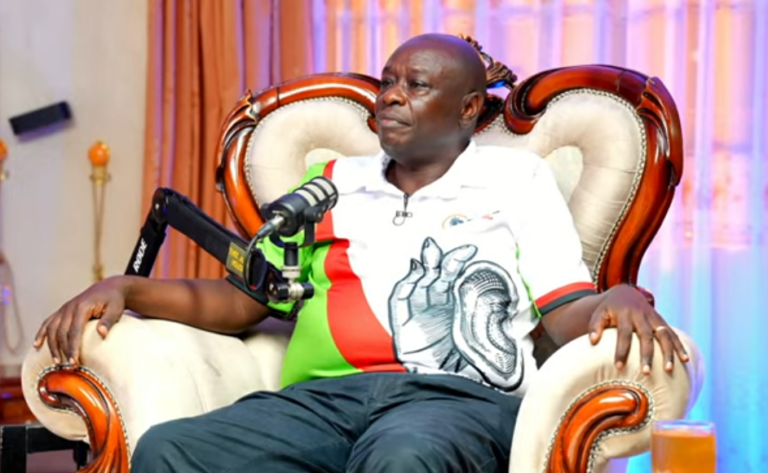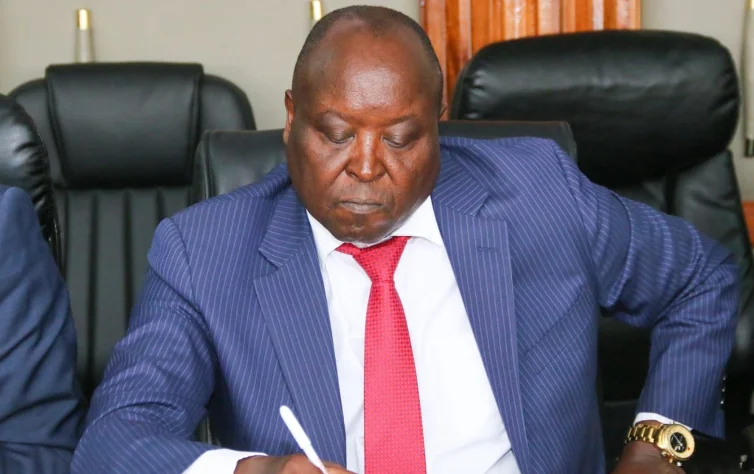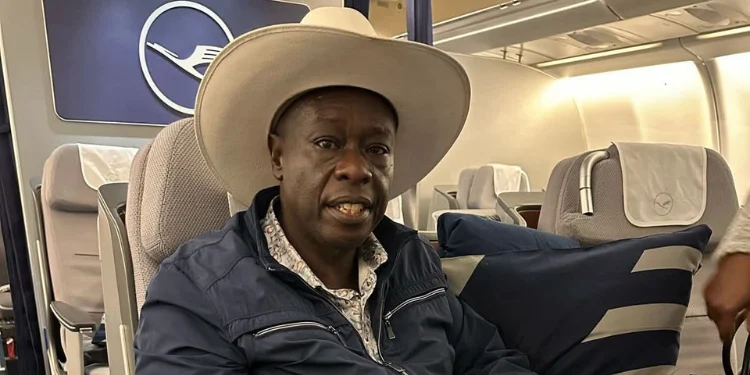
Paul Waiganjo, one of Kenya’s most recognizable Kikuyu artists, has broken his silence following a contentious nomination process for the Ol Kalou by-election, alleging that he was pushed out after refusing to offer financial inducements to party officials.
Waiganjo, whose music has made him a household name across Central Kenya, had declared his interest in the seat under the Democratic Congress Party (DCP) banner. Many political observers believed his celebrity status and grassroots appeal gave him a natural advantage.
But according to the artist-turned-politician, what should have been a fair contest turned into a transactional negotiation.
“They Wanted Me to Buy Popularity I Already Had”
Speaking to journalists, Waiganjo claimed that party leadership, including influential figures close to DCP, demanded financial support in exchange for political backing and campaign influence.
“I was told clearly that if I wanted the nomination, I needed to show commitment—financially,” Waiganjo alleged. “But I am not a briefcase politician. I am known. I have walked with the people. Why should I pay to represent them?”
He says that after he refused to comply, the party’s nomination was quietly handed to another candidate.
Residents Question the Process
The controversy has sparked anger among DCP supporters in Ol Kalou, many of whom feel the nomination process ignored the will of the people.
“We wanted Waiganjo. He is one of us. But it seems the party had already decided based on who paid the most,” said one resident who requested anonymity.
The sentiment reflects a growing frustration with political parties that publicly champion democratic values but allegedly operate on patronage and financial leverage behind closed doors.
A Test for DCP’s Credibility
Political analysts warn that such allegations, whether proven or not, can erode trust in party structures—especially among younger and first-time voters who are increasingly intolerant of “money politics.”
“A party cannot preach democracy outside while suffocating it inside,” said one political commentator. “When supporters start feeling that nominations are decided by money paid instead of the will of voters, disappointment quickly turns into mistrust.”
The irony, critics say, is painful: leaders who speak daily about “listening to the people” are now being accused of silencing them when it matters most.
About the Author