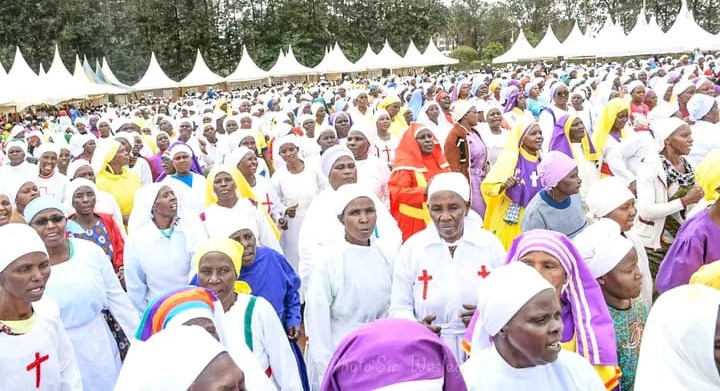
Rigathi Gachagua is facing growing criticism after his remarks targeting Wakorino who visited State House Nairobi. His comments, seen by many as harsh and dismissive, have sparked debate over leadership, freedom of association, and respect for citizens.
In his statement, Gachagua accused members of the Akorino church of betrayal, even alleging they were financially motivated. However, critics argue that his tone crossed from political criticism into disrespect. In a democratic country like Kenya, every citizen has the right to meet their president without intimidation or political labeling.
By attacking Wakorino for engaging with President William Ruto, Gachagua appears to position himself as a gatekeeper of the Mt Kenya region. This perception has raised concerns among leaders and analysts who argue that no individual has the authority to decide who can or cannot access the presidency.
Observers note that leadership should be about inclusion, not control. Branding citizens as “traitors” for exercising their constitutional rights risks deepening divisions and undermining unity. Mt Kenya, like the rest of the country, is made up of individuals with diverse opinions—not a single political voice.
There are also concerns that such rhetoric could discourage open engagement between citizens and the national government. Suggesting that people need approval from a regional figure to meet the Head of State contradicts democratic values and weakens public trust.
As the debate continues, calls are growing for more responsible leadership that respects citizens’ freedoms. Attempts to control political interactions may not only alienate communities but also erode the principles of democracy that Kenya upholds.
About the Author