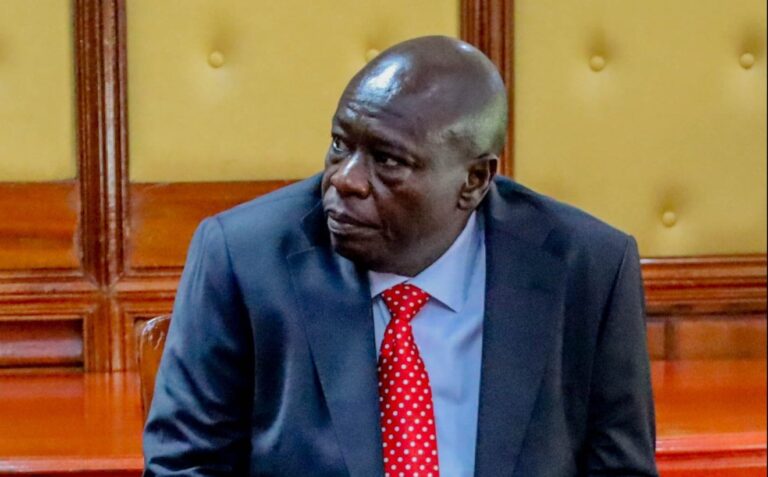
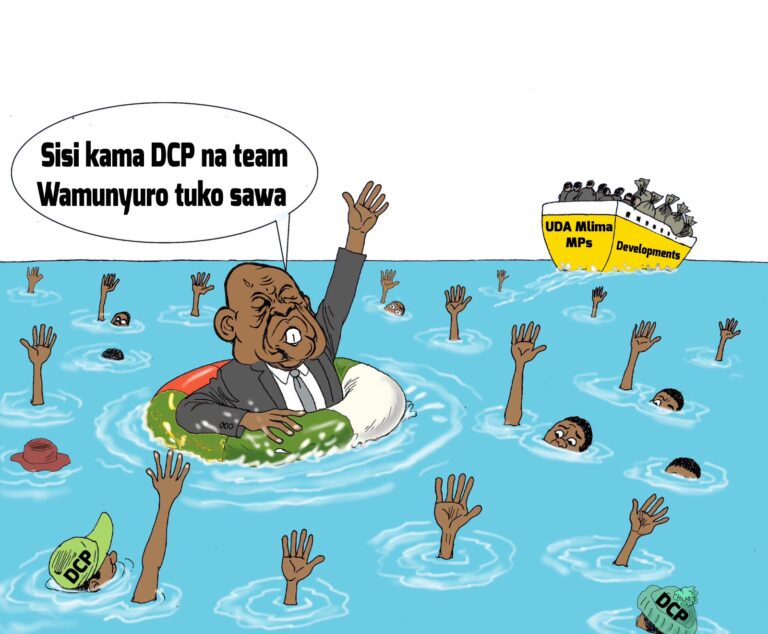
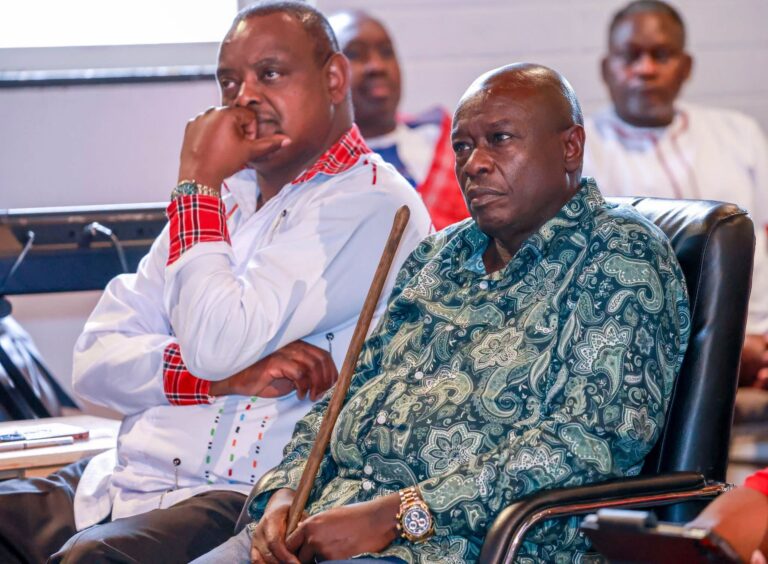
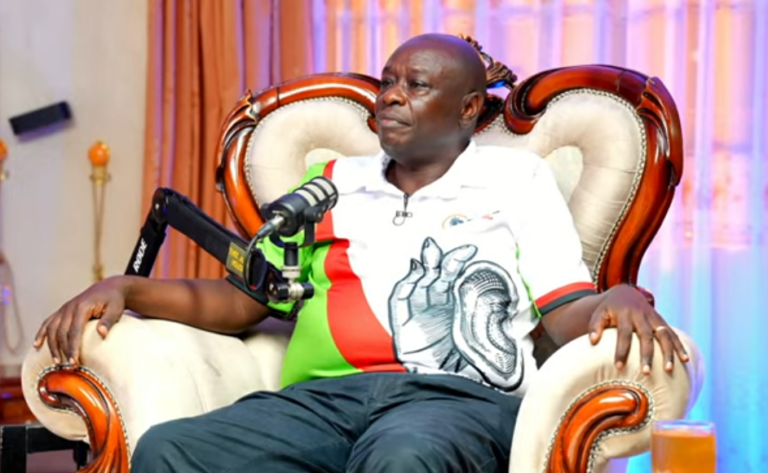
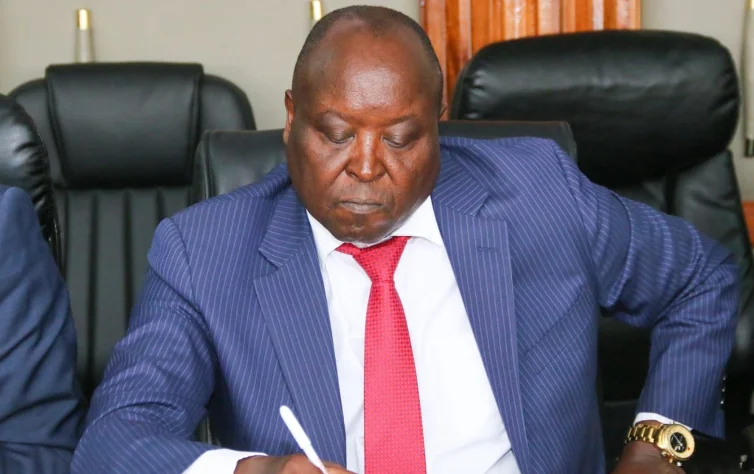
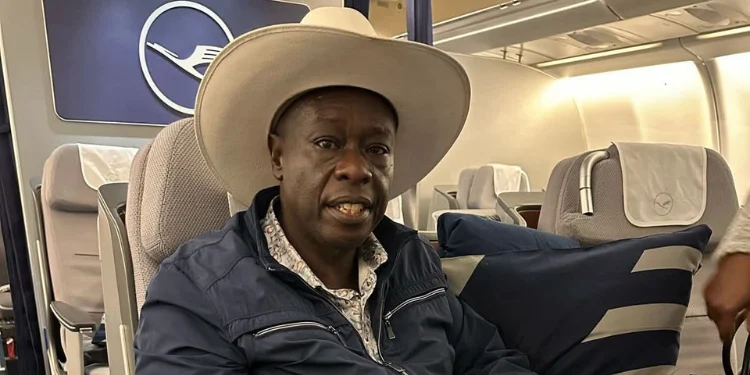
As Kenya approaches the 2027 elections, the political discourse in Mt. Kenya is raising serious questions about the type of leadership the region truly needs. At the center of recent debates is Rigathi Gachagua, whose style of politics has been described by critics as a “politics of noise.” While his statements and rallies dominate headlines, many argue that this approach does little to advance the region’s long-term interests.
Observers note that his politics resembles a rocking chair: constant movement and activity, yet little forward progress. Loud rhetoric and ethnic mobilization may excite crowds, but they do not address critical issues such as youth unemployment, access to affordable credit, agricultural development, and infrastructure improvements. For a region with enormous economic potential, influence without actionable ideas risks being empty spectacle rather than strategic power.
Equally concerning is the reliance on tribal numbers as leverage. While Mt. Kenya’s electoral weight is significant, reducing politics to bargaining power alone is shortsighted. Leadership built primarily on identity and transactional negotiation may deliver short-term headlines but fails to secure sustainable development or genuine national influence.
History shows that Mt. Kenya has thrived when leaders combine strong advocacy with practical solutions and coalition-building. The challenge now is to prioritize substance over sound, policies over posturing, and long-term strategy over immediate attention.
Ultimately, the voters of Mt. Kenya will determine whether political noise continues to dominate or whether vision, unity, and actionable leadership take precedence. If the region wants lasting influence and meaningful progress, it must demand more than rhetoric — it must demand leaders who can translate their words into tangible results.
Political noise may grab attention, but only vision and decisive action will secure Mt. Kenya’s future.
About the Author