For years, Kenya has struggled to escape the poisonous grip of tribal politics. Every election cycle, leaders retreat into ethnic cocoons, communities are mobilised against each other, and political survival becomes dependent not on ideas or policy, but on who can shout the loudest for their tribe.
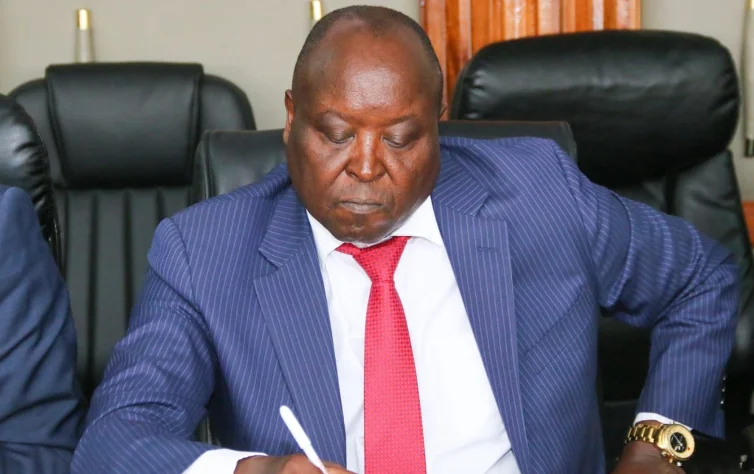
Sadly, few leaders have embraced this dangerous politics more openly than DCP Party Leader Rigathi Gachagua.
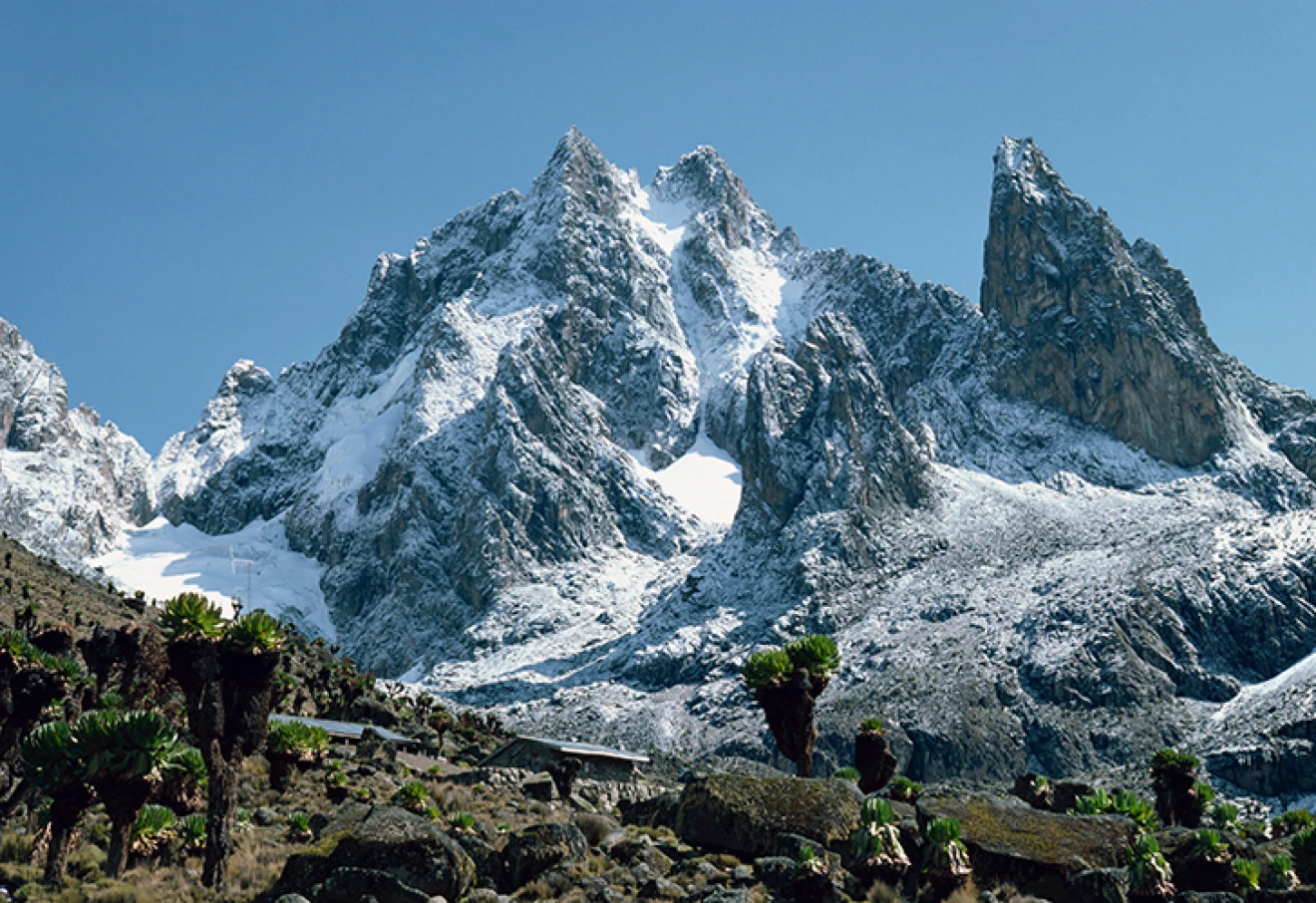
From constantly framing politics as a battle for “Mt Kenya interests” to branding critics as traitors and enemies of the region, Gachagua has perfected the art of ethnic mobilisation. His message has often been simple: rally behind your tribe first, Kenya later.
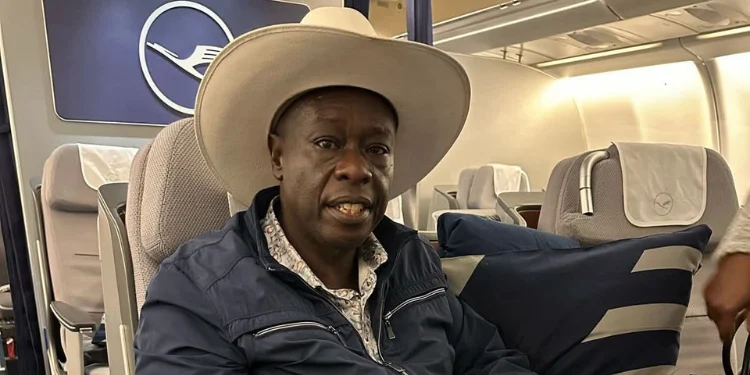
But now, as many in Mt Kenya express anger over recent divisive remarks by Hassan Omar directed at the region, an important national conversation must happen.
What exactly is the difference between Hassan Omar’s tribal rhetoric and Gachagua’s?
The painful truth is that there is very little difference. The only difference is direction.
When Gachagua attacks or belittles other communities through coded ethnic politics, some people cheer because they feel protected by the rhetoric. But when Hassan Omar throws similar divisive political missiles toward Mt Kenya, the same people suddenly discover the dangers of tribal politics. They feel insulted, isolated, and unfairly targeted.
That feeling is exactly what many other Kenyan communities have experienced for years.
Tribal politics does not become wrong only when it is aimed at your community. It is wrong altogether.
Mt Kenya therefore faces a critical choice. The region can choose to stand firmly for national unity by rejecting all leaders who promote ethnic division — including their own. Or they can continue celebrating tribal chest-thumping when it benefits them and accept that eventually the same hatred will come back home.
Kenya cannot move forward if communities only condemn division selectively. A country built on mutual suspicion and ethnic superiority will never know peace, fairness, or stability.
True leadership is not about exciting crowds through anger and tribal victimhood. It is about calming tensions, building bridges, and convincing every Kenyan that they belong equally in this nation.
If Mt Kenya genuinely wants respect and national solidarity, then it must begin by calling out divisive politics even when the messenger comes from within the mountain itself. Otherwise, condemning Hassan Omar while defending Gachagua is not principle — it is hypocrisy.
About the Author