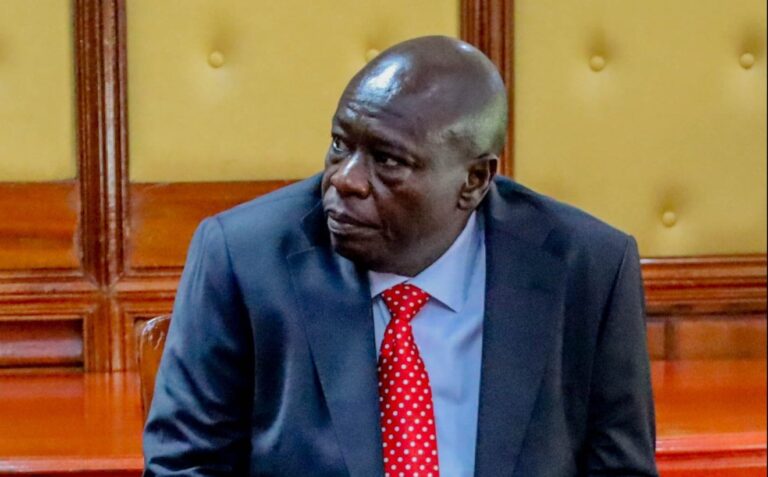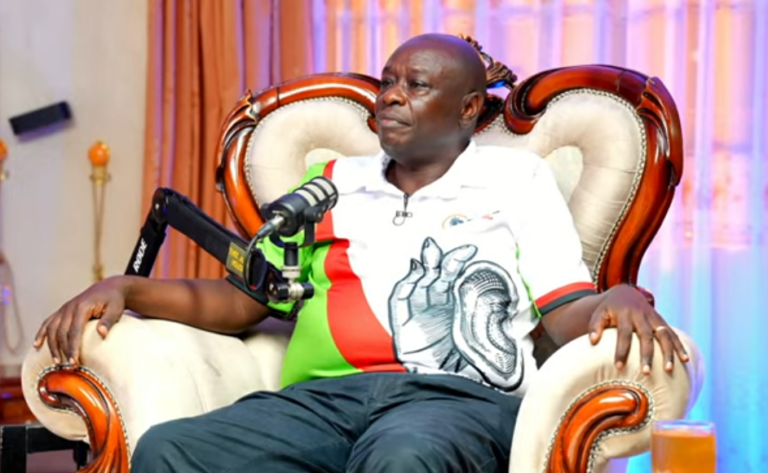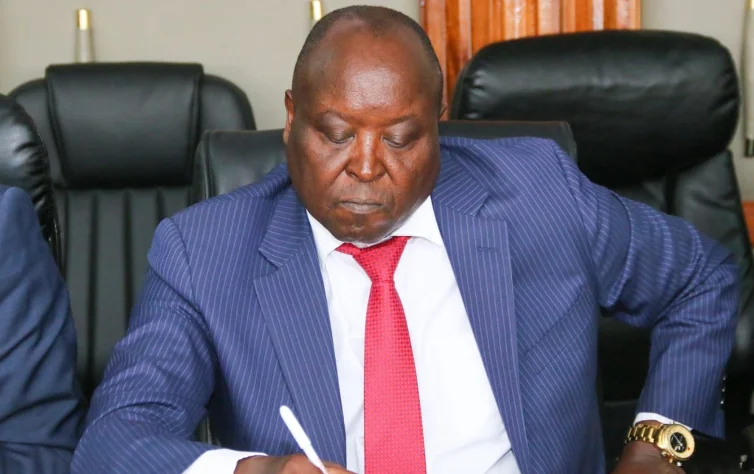
Impeached Deputy President Rigathi Gachagua is facing fresh credibility questions after his claims dismissing progress on the Rironi–Naivasha–Mau Summit highway were dramatically contradicted by hard, on-the-ground evidence.
Barely two weeks after President William Ruto flagged off the Sh200 billion dual-carriageway project, Gachagua declared the launch a sham. “Nothing is happening on the Rironi–Naivasha–Mau Summit road. There is only a signboard,” he told supporters, accusing the President of deception.
That claim has now imploded.
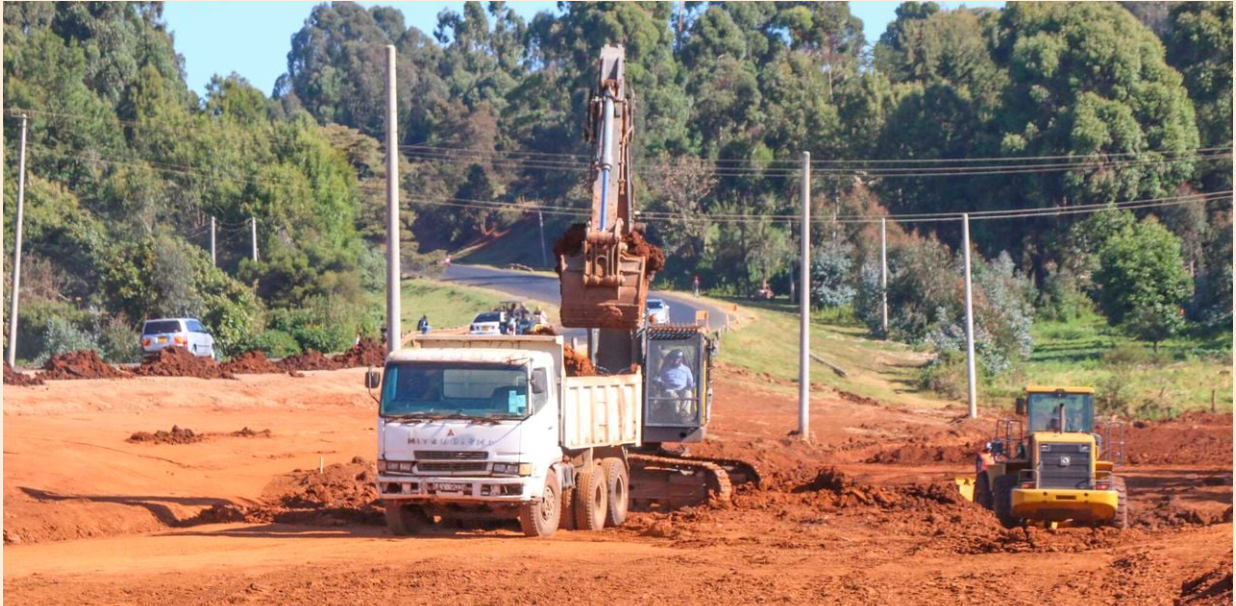
Independent footage and a detailed on-site documentary by respected journalist Enock Sikolia—widely known as The Kenyan Historian—shows the opposite: excavators biting into rocky terrain, graders shaping the carriageway, dump trucks hauling material, and workers active across multiple sections, notably around Limuru and Mai Mahiu. The visuals, now viral, show real progress along the critical 170km corridor set to ease congestion, cut accidents, and unlock trade.
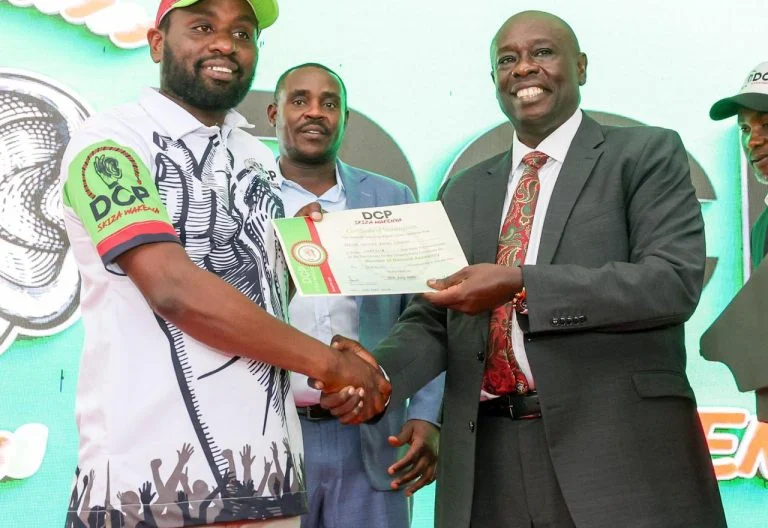
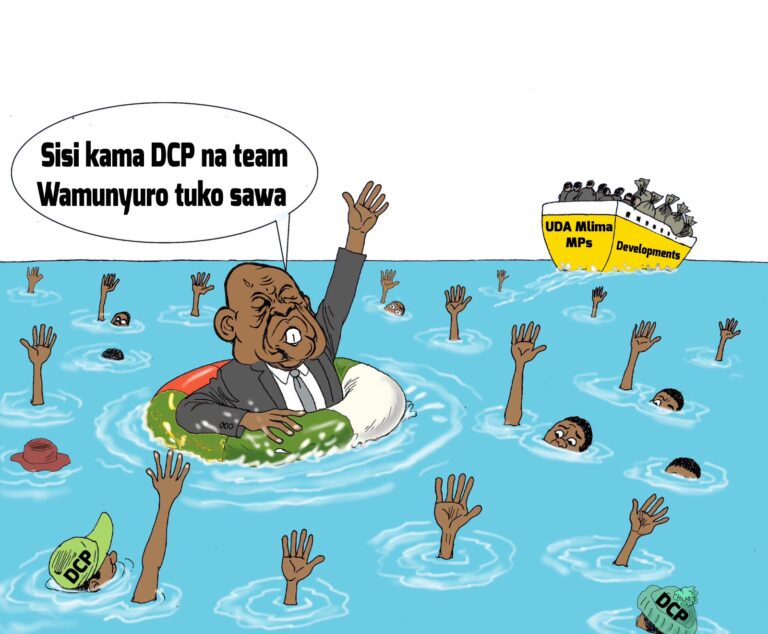
The road episode is the latest in a pattern that critics say has hollowed out Gachagua’s narrative. He has claimed his October impeachment was solely punishment for backing Gen Z protesters—downplaying formal charges of gross misconduct and insubordination. He announced a new political party that never launched. He said he would cut short a US trip to focus on by-elections, only for his Democratic Congress Party candidates to withdraw from key races. He pledged a condolence visit to Raila Odinga’s family that never happened. Now, he said a major highway exists only on paper—while machines roll and work advances.
As opposition ranks search for coherence, exaggeration risks drowning out legitimate scrutiny. On Mau Summit, Kenyans have been shown the facts—steel, earthmovers, and momentum. Between rhetoric and reality, the verdict is increasingly clear.
About the Author