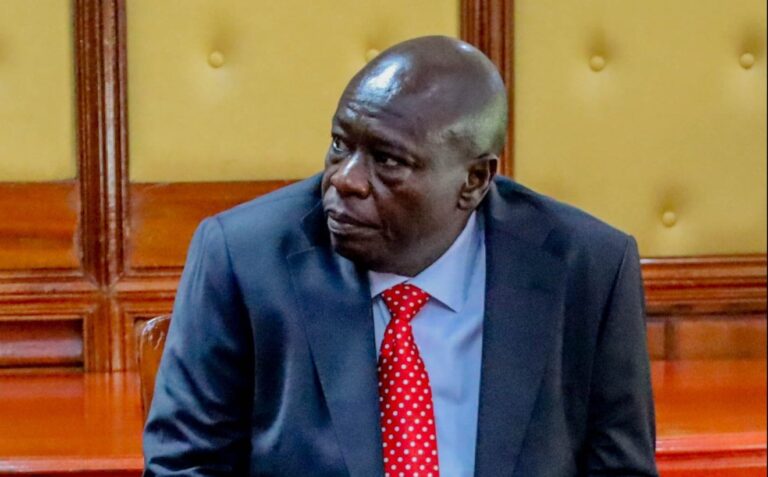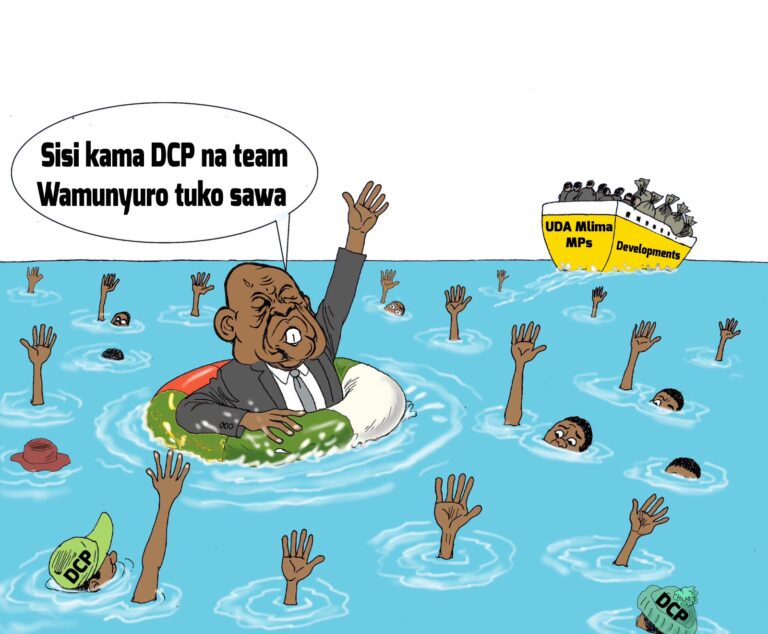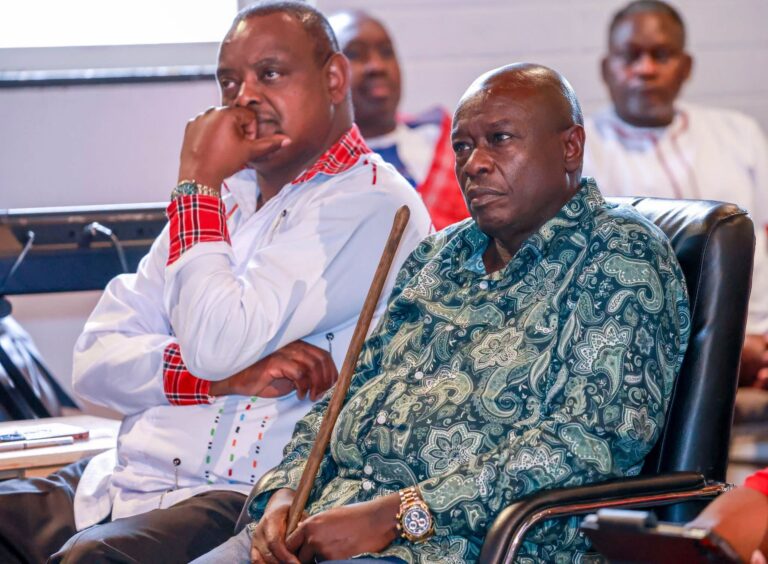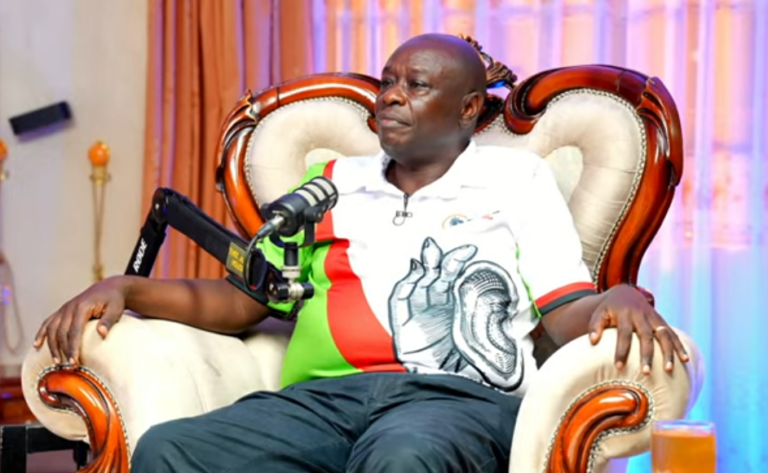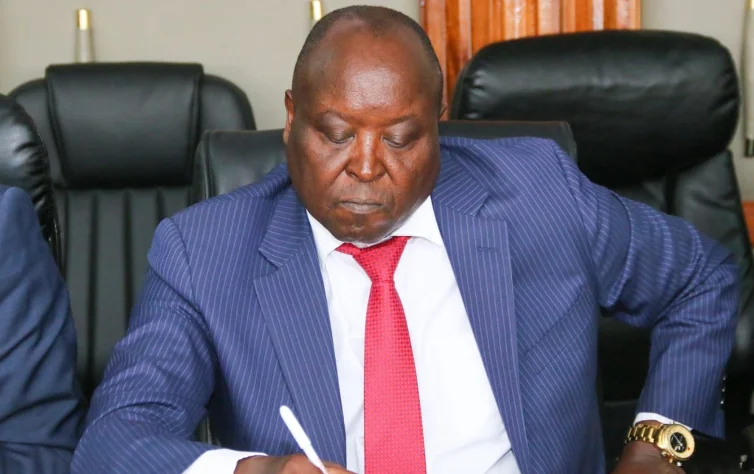
Former Deputy President Rigathi Gachagua is not just losing political ground—he’s losing control. Once seen as the face of Mt. Kenya’s unity, he has now mutated into a bitter, tribal demagogue fueled by desperation, anger, and a thirst for survival. Every word he utters these days drips with rage.
Every rally he holds is more about division than development. Every move reeks of a man who knows the game is slipping away.
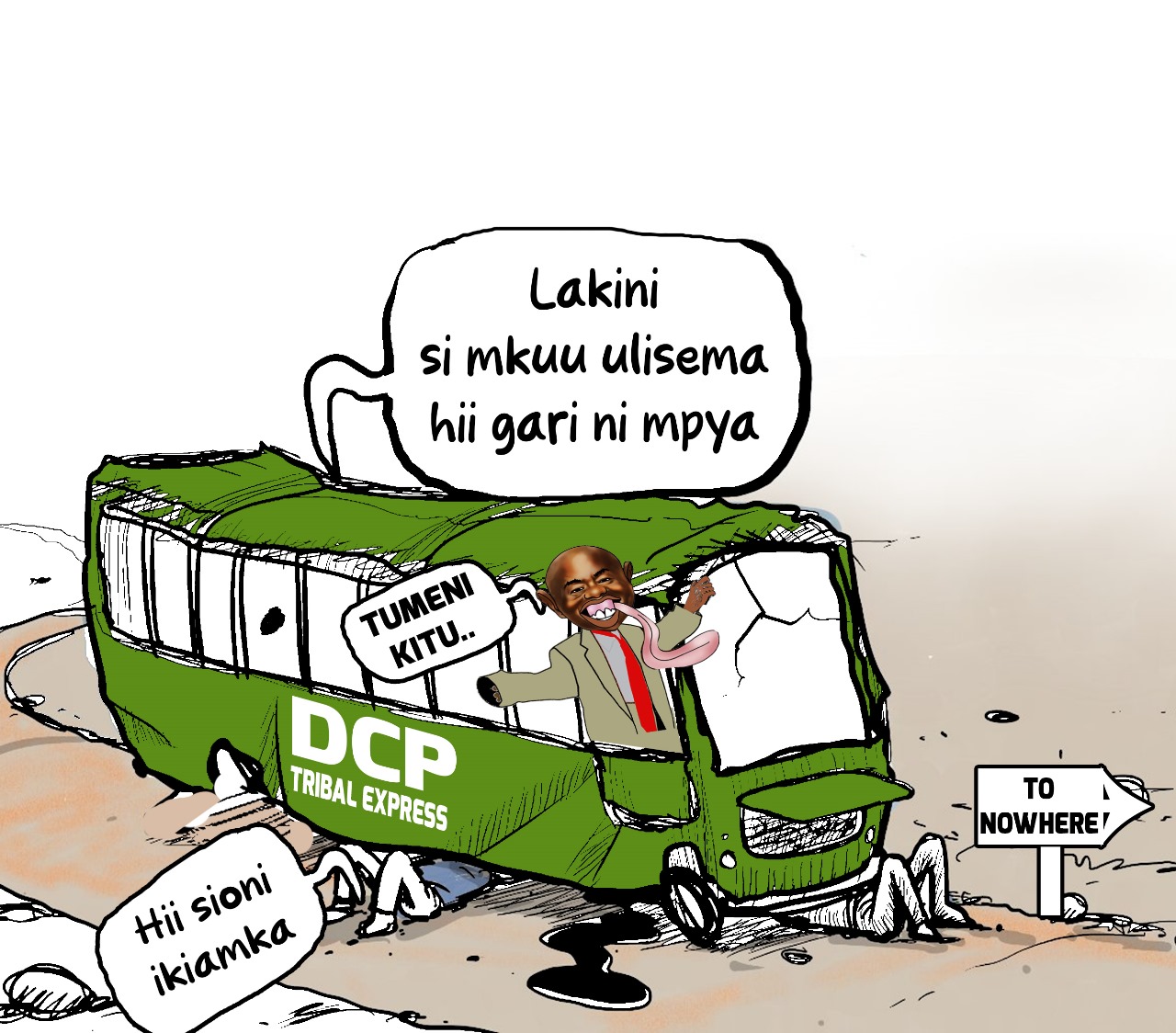
Gachagua’s rogue behavior isn’t accidental—it’s strategic, born out of panic. He knows his influence is fading fast, so he clings to tribal rhetoric like a drowning man to driftwood. Instead of building bridges, he’s digging trenches between communities. He is no longer campaigning; he’s inciting. His message isn’t unity; it’s revenge.
Behind the scenes, his political machine has turned into a pay-to-play racket. Aspirants are being squeezed dry, coerced to “support the system” or risk political isolation. What used to be political mobilization has now become extortion. He’s not building a movement—he’s running a money heist.
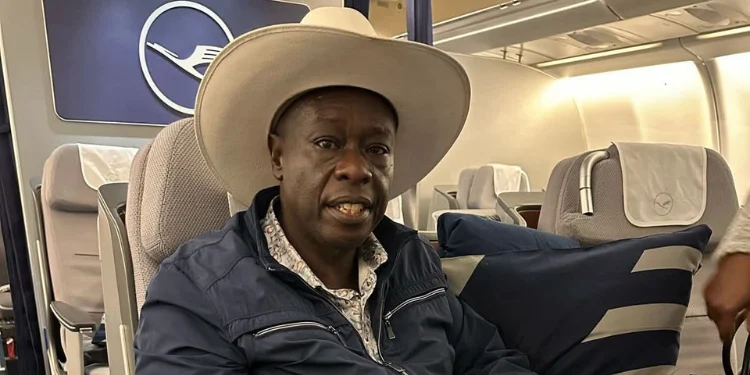
His recent U.S. fundraising tour was supposed to be his moment of global shine. Instead, it exposed him. Kenyans abroad—exhausted by tribal politics and empty slogans—rejected him. The millions he hoped to raise never came. Diaspora leaders saw through the show and stayed away. His charm offensive crumbled under the weight of his own reputation.
And that’s why Gachagua has become more bitter, more aggressive, more diabolical. The man who once sat at the center of power is now lashing out, hoping rage can mask irrelevance. But anger is not strategy, and bitterness is not leadership. His desperation may earn him airtime—but not respect. Kenyans are watching. And they’re moving on.
About the Author