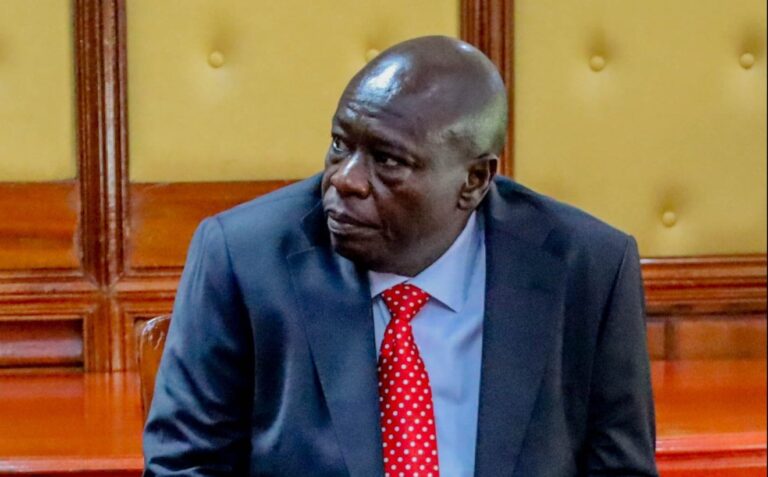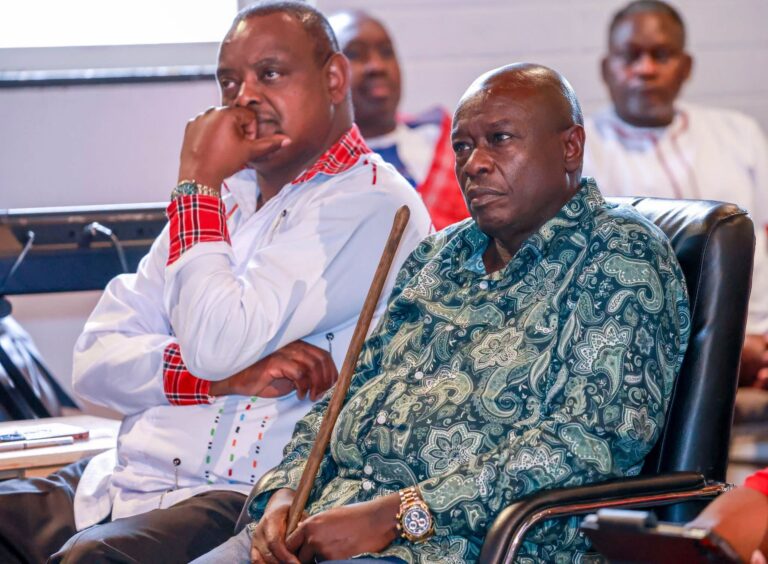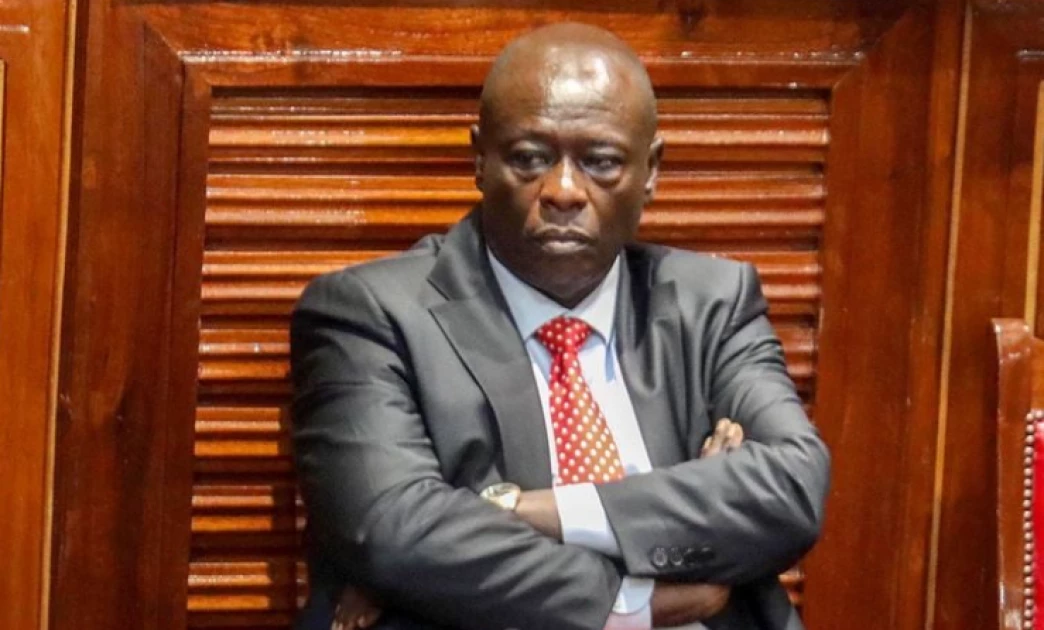
Former Deputy President Rigathi Gachagua is a bitter man—and not because of injustice, but because power slipped through his fingers. This is not betrayal. This is consequence. His fall from grace was not orchestrated by enemies or shadowy schemes. It was authored by his own arrogance, divisive politics, and toxic entitlement.
Rigathi wanted to misuse his position to advance a tribal agenda. He viewed power not as a tool to serve the nation, but as a weapon to intimidate, reward loyalty blindly, and suppress dissent. He insulted colleagues, sidelined communities, and made it clear that if you didn’t worship at his political altar, you didn’t deserve to eat at the national table.
His removal was not a witch hunt—it was a national correction. Kenya cannot afford leaders who thrive on division, incitement, and bitterness. Leaders must unify, not dictate. They must build, not bully. They must respect institutions, not weaponize them.
Now out of office, Gachagua seeks to package his personal frustrations as a national crisis. He plays victim, seeking sympathy he hasn’t earned. He wants Kenyans to believe that his pain is our pain. But truthfully, Kenya has enough real problems—youth unemployment, a struggling economy, and a public desperate for development. Rigathi’s ego is not one of them.
Let us be clear: we are not mourning the fall of a champion—we are recovering from the damage of a demagogue. Kenya must move forward with leaders who believe in service, not supremacy. Gachagua’s bitterness may be loud, but it does not deserve space in our national agenda.
About the Author