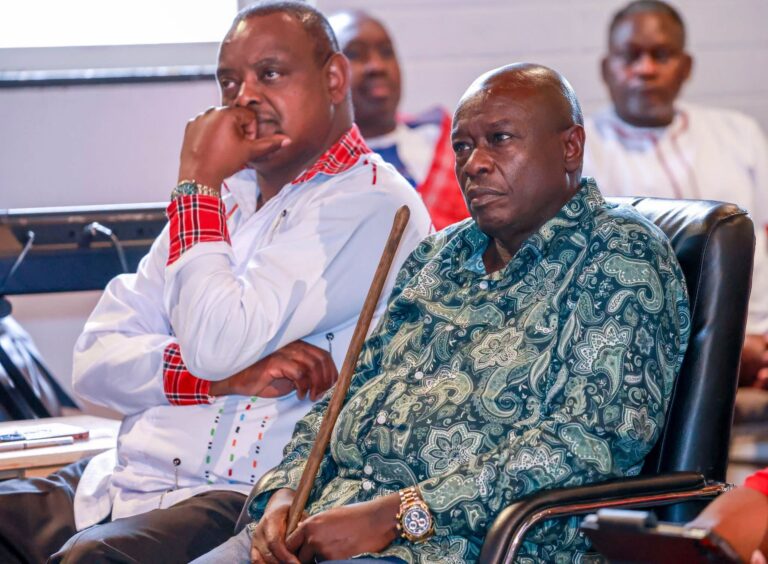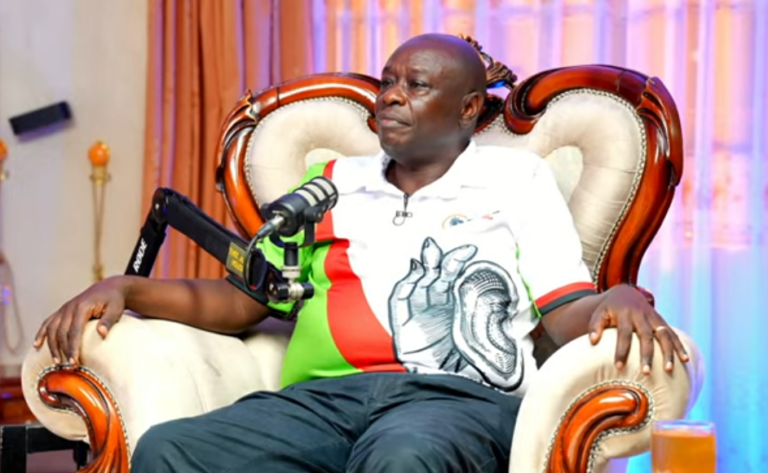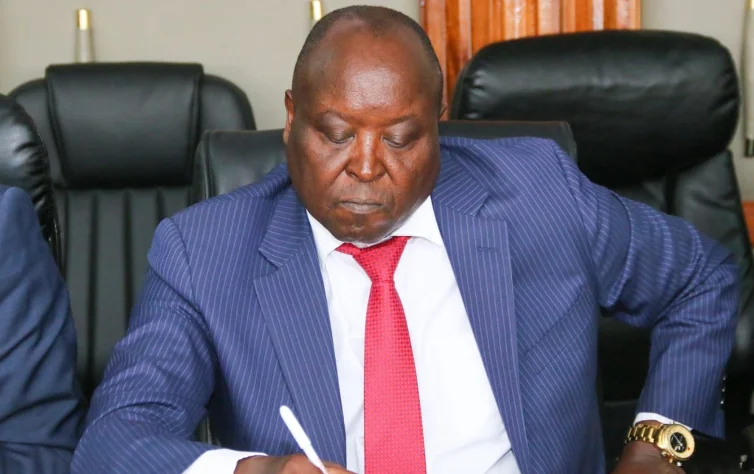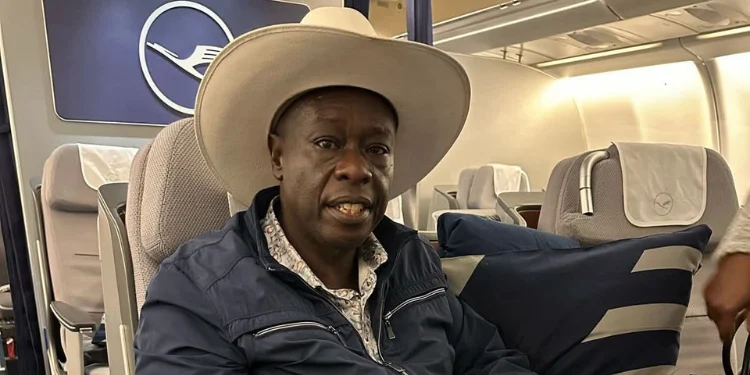
The people of Olkalou stand at a critical political crossroads. As the next general election approaches, the constituency must decide whether to vote with reason or emotion, whether to choose leadership grounded in competence or to repeat the costly mistake made in Kiambaa in 2021. That by-election, meant to send a political message to President Uhuru Kenyatta, ended up saddling Kiambaa with an MP who became a national embarrassment — a man whose illiteracy and incoherence turned Parliament into a stage for ridicule rather than representation.
In 2021, Kiambaa voters, driven by anger and the wave of William Ruto’s UDA populism, rejected qualified candidates to “teach Uhuru a lesson.” The result was a hollow victory, a constituency silenced in national debates, sidelined in development, and mocked for electing a man who could barely articulate a coherent argument. The symbolism of rebellion came at the expense of progress. That is the cautionary tale Olkalou must heed.
Today, a similar emotional storm brews in Nyandarua politics. The political fallout between Deputy President Rigathi Gachagua and President Ruto has created a dangerous vacuum, one where local politics risks being consumed by tribal loyalty tests and revenge voting. Some voices are already urging Olkalou to “stand with Rigathi” by rejecting any candidate perceived to be aligned with Ruto’s camp. But this is precisely how communities lose their voice in national politics: by turning elections into emotional referendums instead of rational choices.
Olkalou cannot afford to elect another “Igege”, a leader whose only qualification is political symbolism. The constituency needs a representative who can speak, think, and negotiate for its people in Parliament. Someone who understands policy, can attract development, and articulate the needs of farmers, youth, and small business owners. The days of electing comedians and sycophants must end.
The truth is that Rigathi Gachagua’s feud with Ruto is not Olkalou’s fight. It is a power struggle between two men whose political fortunes will not feed a single family in Karima, Ndaragwa, or Mirangine. What matters for Olkalou is whether its MP can deliver roads, water, jobs, and dignity. Whether the constituency’s voice will be heard in Nairobi, not whether it can shout the loudest in political rallies.
The lesson from Kiambaa is simple: protest votes have consequences. When voters choose anger over ability, they end up punishing themselves. Olkalou must rise above the noise and elect a leader who can read, reason, and represent, not one who will turn the constituency into a national punchline.
This election is not about Ruto or Gachagua. It is about Olkalou’s future. The people must reject the temptation to vote out of spite and instead choose competence, clarity, and character. Because once the campaign dust settles, it is not the politicians who suffer the consequences of poor leadership , it is the people.
About the Author