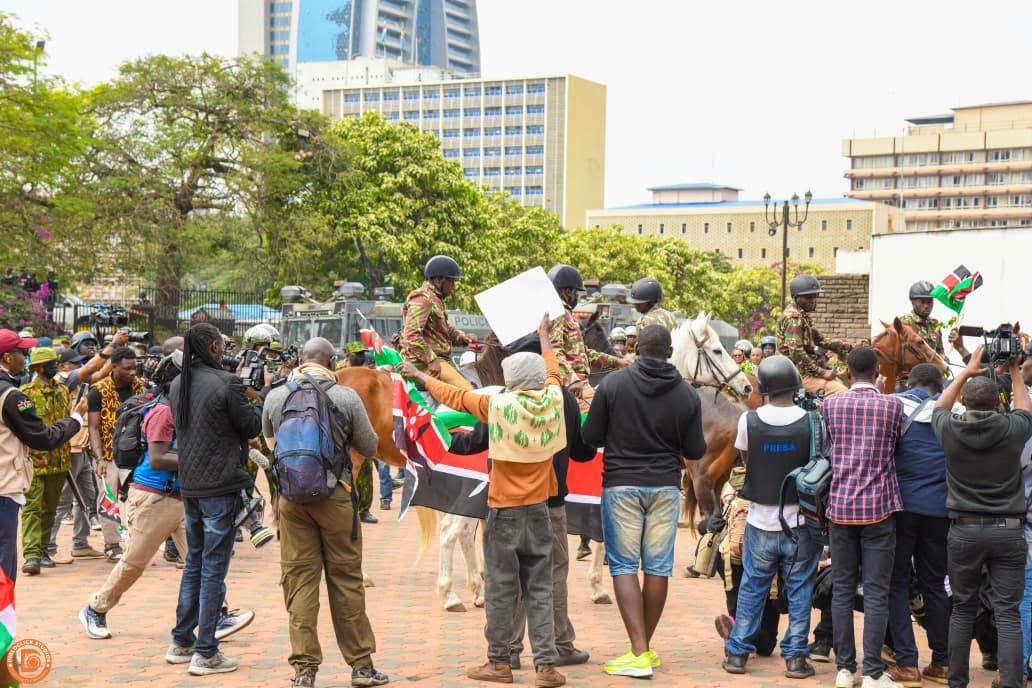
The peaceful June 25 Gen Z anniversary protests have left DCP Party Leader Rigathi Gachagua with difficult questions to answer about the violence that has characterized previous demonstrations.
For months, Kenyans have witnessed protests descend into chaos as criminal gangs infiltrated demonstrations, looted businesses, vandalized property and terrorized innocent wananchi. Opposition leaders consistently denied responsibility, insisting the violence was orchestrated by unknown actors with the intention of discrediting the movement.
However, this year’s Gen Z anniversary painted a completely different picture.
Ahead of the demonstrations, Gachagua appealed to young people to remain peaceful and avoid confrontation. After the protests, he proudly declared that Gen Z had “heeded” his call, thanking them for conducting themselves peacefully and avoiding violence.
The outcome was remarkable. Interior Cabinet Secretary Kipchumba Murkomen confirmed that the country experienced no widespread looting, vandalism, skirmishes or injuries despite nationwide demonstrations.
This sharp contrast has inevitably sparked public debate.
The peaceful June 25 anniversary protests have strengthened suspicions among many Kenyans that the violence witnessed during previous demonstrations was not entirely spontaneous. Gachagua’s claim that Gen Z “heeded” his call has inevitably led to questions about the extent of his influence over past protests and whether political leaders exercised enough control to prevent criminal elements from infiltrating demonstrations. Those questions deserve credible answers, but they should not be mistaken for proof of criminal responsibility.
What cannot be ignored, however, is the contradiction in Gachagua’s messaging. If he possesses enough influence to persuade protesters to maintain discipline and reject violence, why was similar leadership not consistently exercised during previous demonstrations that left businesses destroyed and livelihoods shattered?
Political leadership is measured not only by words spoken after events but also by actions taken before they unfold. Leaders cannot claim credit when demonstrations remain peaceful while distancing themselves whenever protests are marred by criminality.
The June 25 anniversary demonstrated that thousands of Kenyans can exercise their constitutional right to protest peacefully without exposing traders to losses or communities to fear. That should become the benchmark for every future demonstration.
As Kenya heads towards the 2027 General Election, political leaders must move beyond rhetoric and accept responsibility for the influence they wield. The calm witnessed on June 25 should encourage accountability from all sides and reinforce one simple truth: peaceful protests are possible when leaders consistently discourage violence and refuse to tolerate criminal infiltration.
About the Author