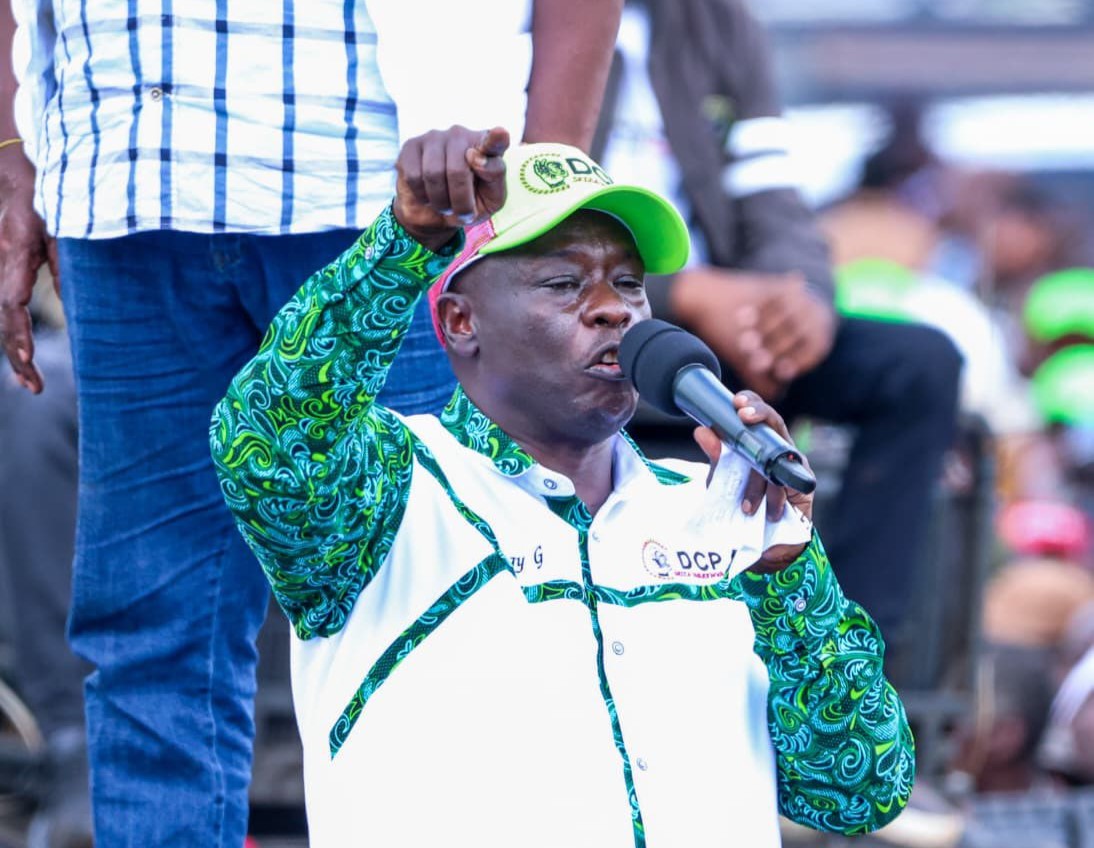
A growing criticism of Rigathi Gachagua’s leadership is that his political approach has increasingly centered on confrontation, regional grievances, and internal disputes rather than a forward-looking agenda capable of positioning Mt. Kenya for long-term progress.
Instead of fostering broad-based unity and building strategic partnerships across the country, his rhetoric has often reinforced a sense of political isolation. This has created concerns that Mt. Kenya risks becoming more focused on political battles and perceived injustices than on practical issues such as economic growth, investment, job creation, and development opportunities for its people.
Observers further contend that constant political clashes and public disagreements have distracted attention from the region’s larger interests. Rather than projecting stability and confidence, such confrontations can create uncertainty about the direction of regional leadership and weaken Mt. Kenya’s ability to effectively negotiate and influence national priorities.
From this perspective, leadership is measured not only by the ability to mobilize supporters but also by the capacity to unite diverse interests, build consensus, and secure tangible gains for the people. Critics therefore maintain that unless the politics of division and perpetual confrontation are replaced with a more inclusive and development-oriented vision, Mt. Kenya may find itself losing valuable opportunities to shape its future and strengthen its position within the national conversation.
About the Author