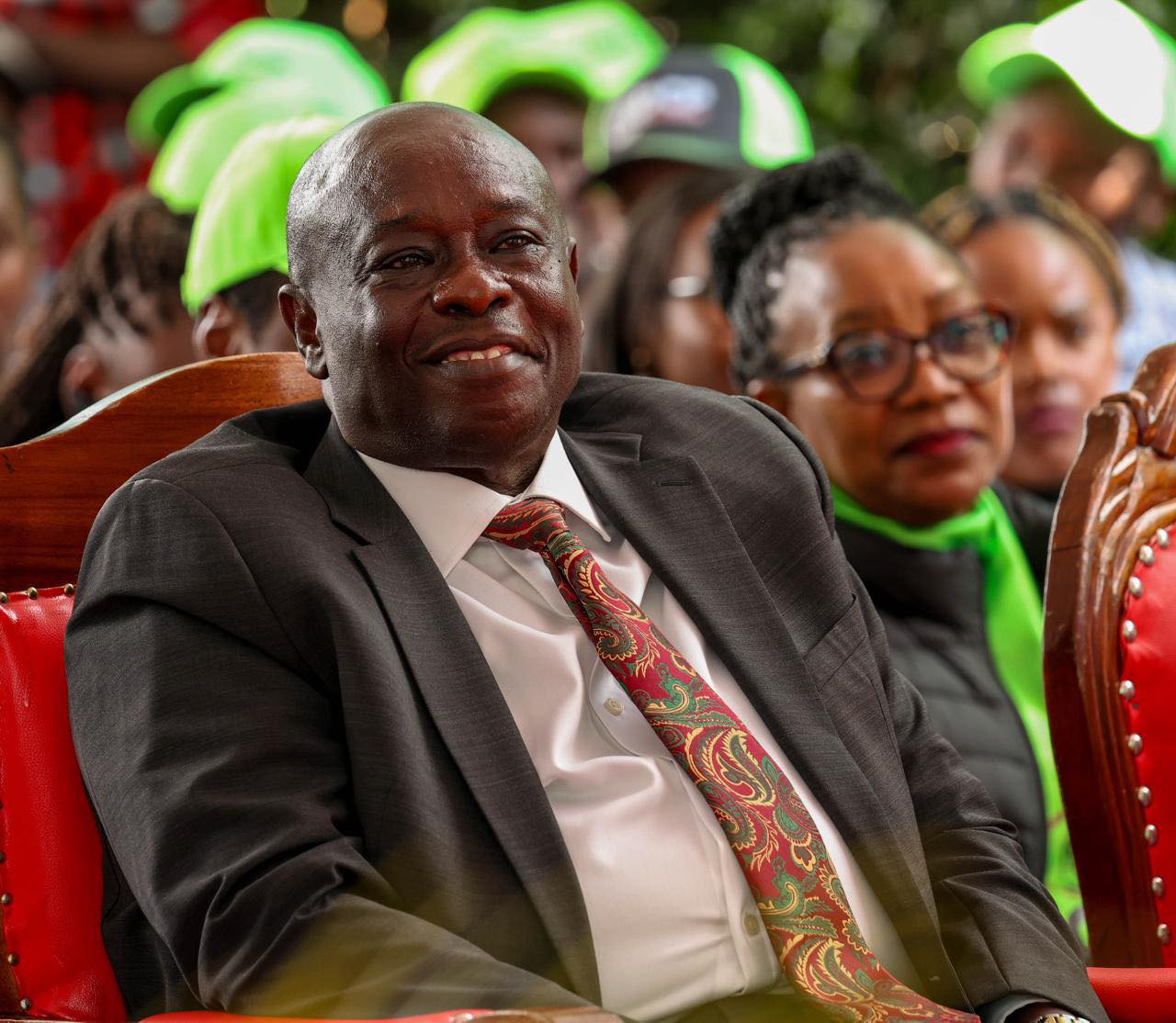
Former Deputy President and DCP Party leader Rigathi Gachagua has moved to the Court of Appeal to challenge key aspects of the High Court ruling that upheld elements of his impeachment, even as he retains a Sh50 million constitutional award granted by the same court.
The High Court judgment, delivered on June 8, 2026, found that parts of the impeachment process were lawful but also ruled that Gachagua’s right to a fair hearing was violated when the Senate proceeded with hearings in his absence. On that basis, the court awarded him Sh50 million in damages, stating that the compensation was necessary to vindicate constitutional rights and uphold accountability in public office processes.
In his appeal, Gachagua has expressed dissatisfaction with most of the judgment and intends to challenge what he terms as unlawful aspects of the impeachment process. However, he has retained key portions of the ruling, including findings on constitutional jurisdiction, fair hearing violations, and the High Court’s authority to issue remedies such as compensation.
Most notably, he has also accepted the Sh50 million award, which was ordered against the Senate and is payable from public funds. The decision effectively means he will benefit from taxpayer-funded compensation arising from the same impeachment process he is seeking to overturn in court.
This position has triggered public debate, with critics questioning the consistency of accepting financial compensation while simultaneously rejecting the broader judgment. Some argue that the move places ordinary taxpayers at the centre of a legal dispute they are indirectly financing, while others see it as a standard legal outcome following a constitutional rights violation.
The High Court also directed Parliament to develop a clear legal framework governing the impeachment of a Deputy President under Article 150 of the Constitution, a recommendation Gachagua has not contested in his appeal.
The case now proceeds to the Court of Appeal, where Gachagua will attempt to overturn parts of the ruling while maintaining the favourable findings, including the Sh50 million award. The matter continues to draw national attention due to its legal and political implications, as it tests both the boundaries of impeachment law and accountability in public office.
About the Author