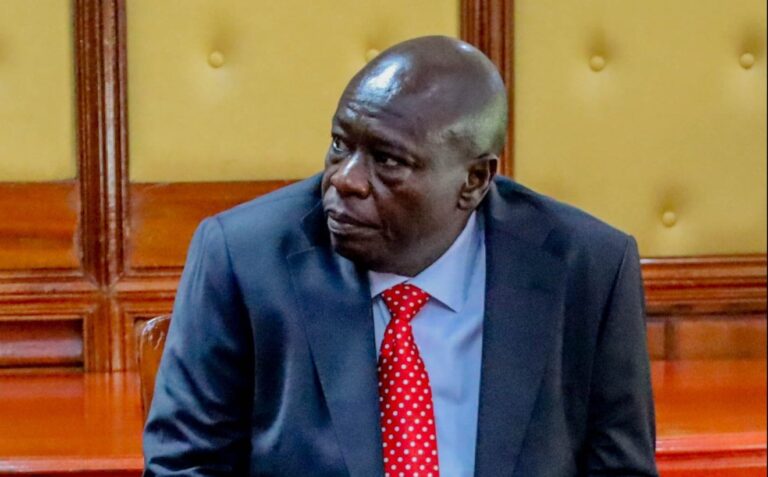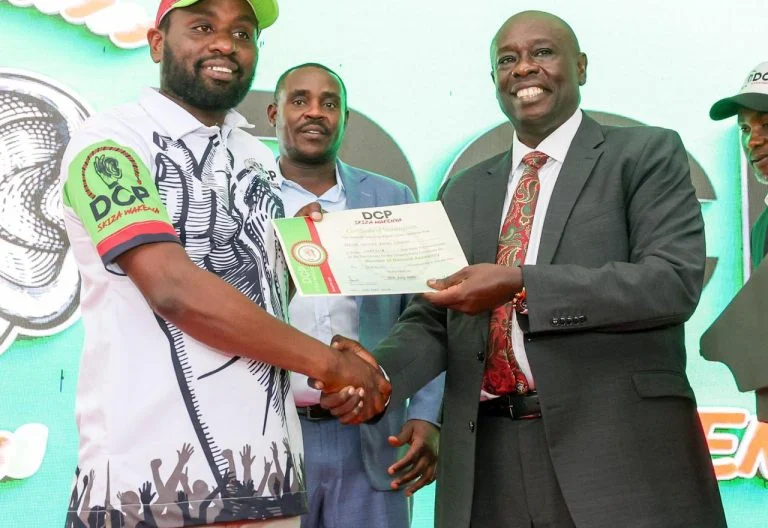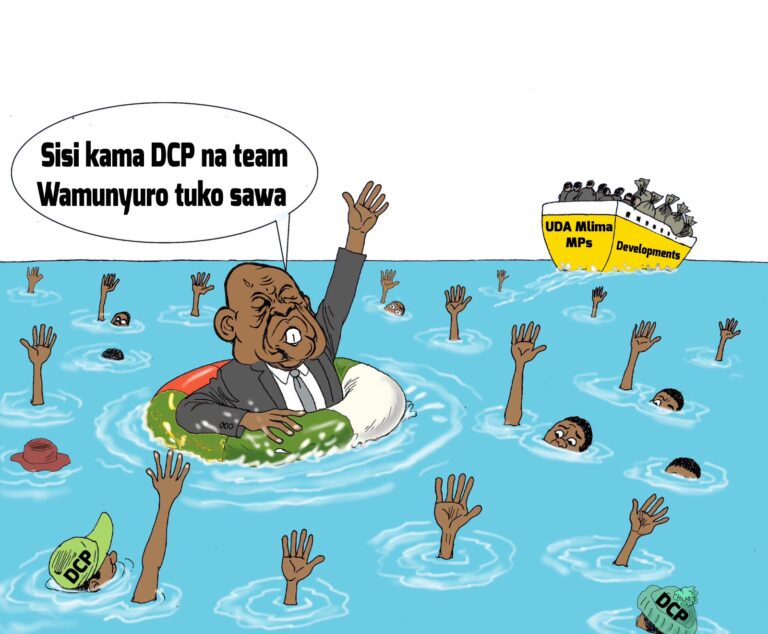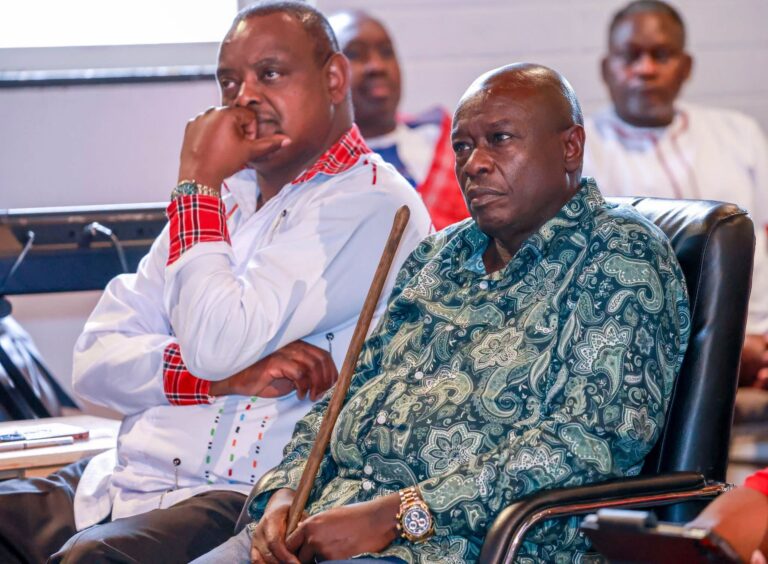
What is unfolding in Mt Kenya politics should concern anyone who cares about the region’s future. Around Rigathi Gachagua, a pattern is emerging that reflects a deeper problem in Kenyan politics—leadership built on loyalty, positioning, and short-term deals rather than long-term vision and accountability.
The region is increasingly being treated as a political bloc to be negotiated, not a people to be represented. Instead of building a strong, independent voice that can engage any government from a position of strength, the focus appears to be on consolidating influence and rewarding loyalty. This approach may win elections, but it rarely delivers meaningful change.
More worrying is the quiet erosion of independent leadership. When candidates are fronted primarily because they align with one political figure, voters risk electing individuals who lack both the courage and capacity to stand up for their constituents. Leadership becomes about survival within a political network, not service to the people.
Kenya’s political history is clear—alliances shift quickly after elections. If post-election deals are struck with the government of the day, Mt Kenya could find itself without a firm voice to challenge policies that hurt its people. Leaders elected under a single political wave may struggle to speak out, leaving wananchi exposed.
At the heart of this is the dangerous centralization of power. When too much influence is concentrated around one individual, debate shrinks, accountability weakens, and the region’s political future becomes tied to one person’s calculations.
Mt Kenya has long been politically influential, but influence without independence is fragile. If the current trajectory continues, the region risks ending up with leaders who cannot fight for it—and a political strategy that trades its strength for temporary relevance.
About the Author