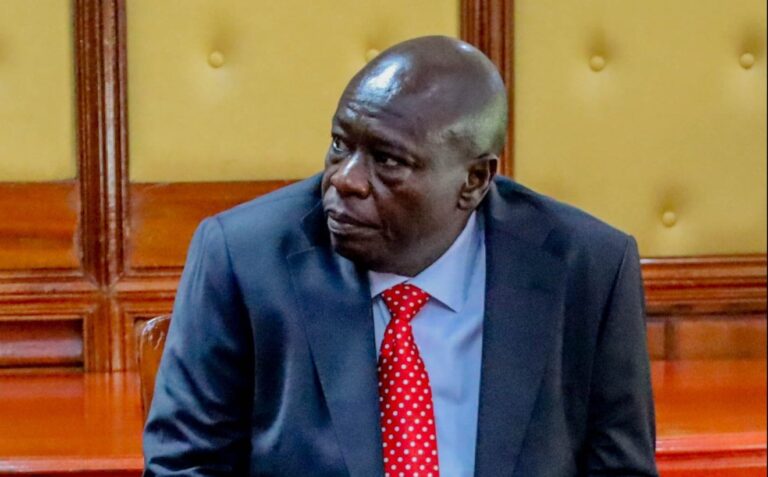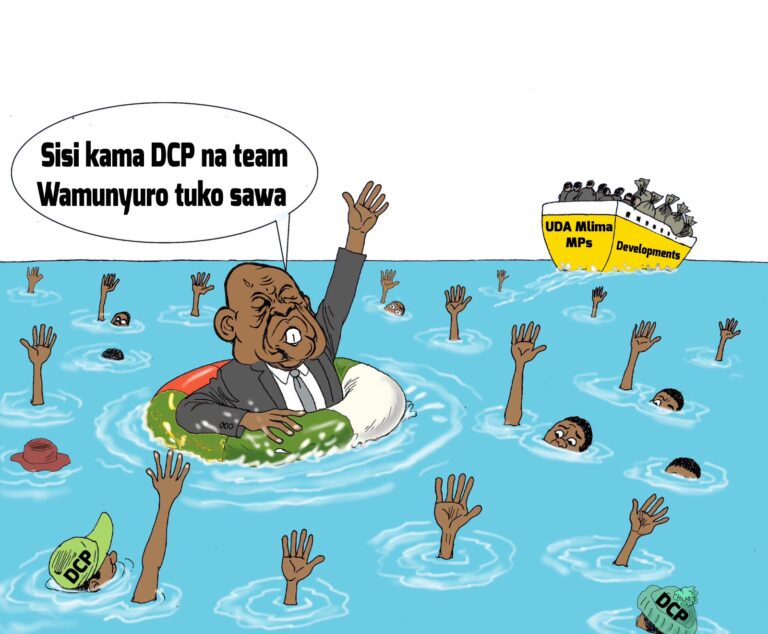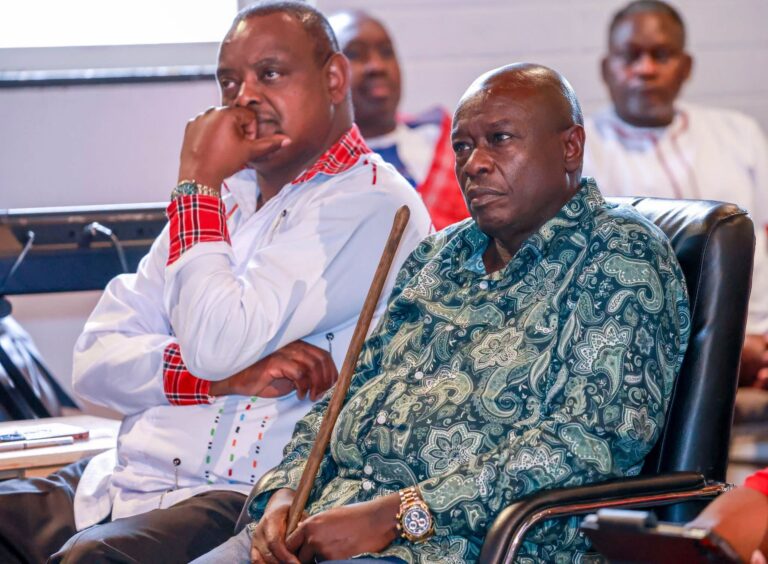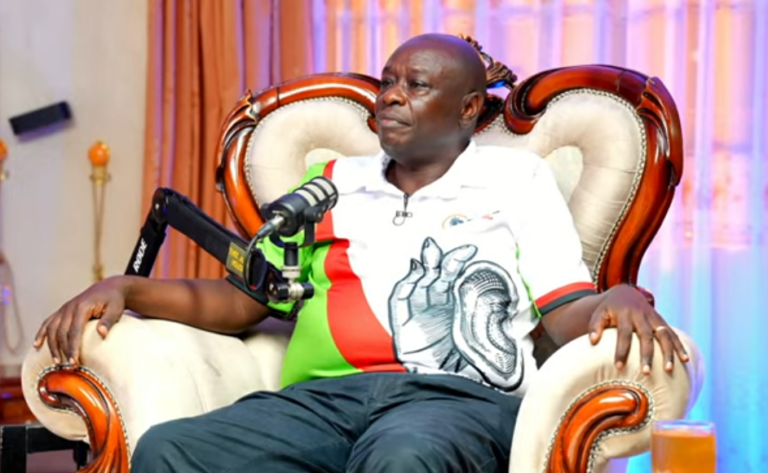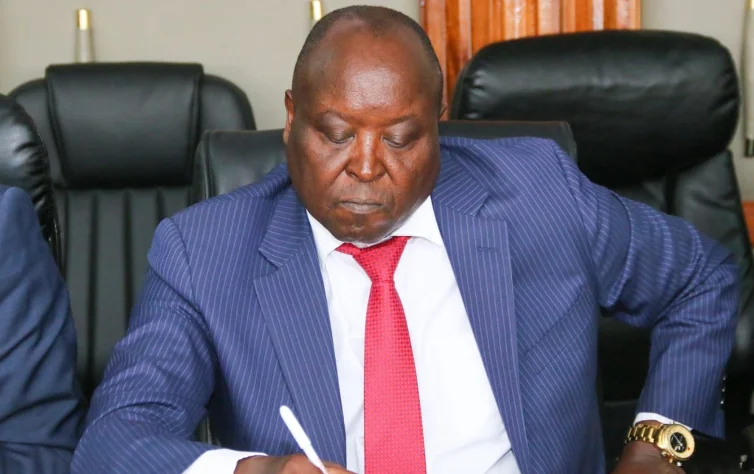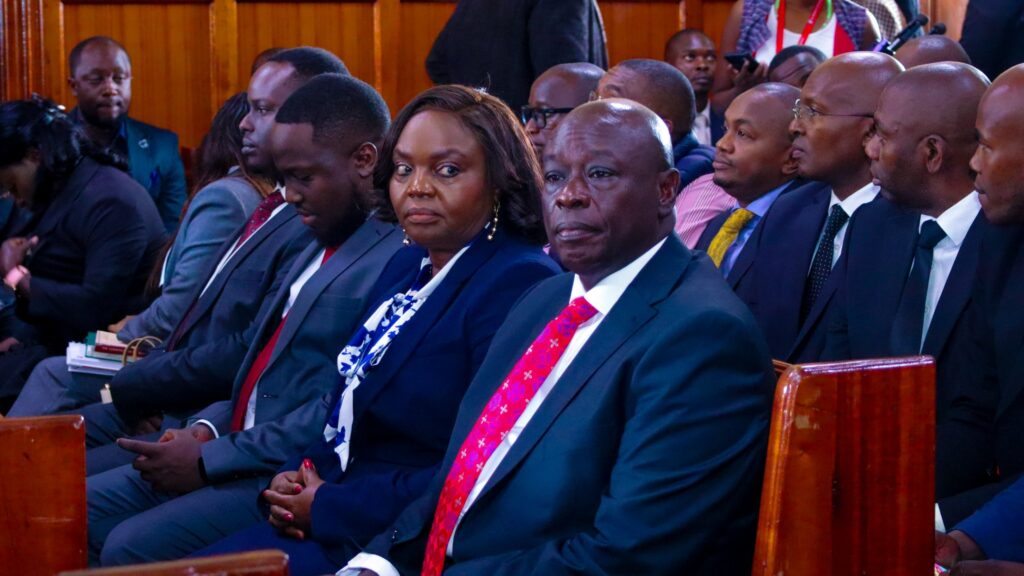
The latest court move by Rigathi Gachagua has once again placed money at the center of his politics, raising uncomfortable questions about the gap between his public rhetoric and private demands. While on political podiums he has consistently painted a picture of a struggling government and burdened citizens, in court he is now asking that same government to pay him over Kshs. 450 million in salaries, benefits, and perks following his impeachment.
This contradiction is difficult to ignore. On one hand, Gachagua has positioned himself as a defender of ordinary Kenyans—speaking about the struggles of “Mama Mboga,” boda boda riders, and small traders. He has framed his politics around economic hardship and the need for relief from taxation and rising costs of living. On the other hand, the money he is demanding from the state does not come from thin air. It comes directly from taxpayers—the very same Kenyans he claims to represent.
Every shilling he is seeking is ultimately drawn from public funds collected through taxes on fuel, food, transport, and daily transactions. It is the market trader paying levies, the boda boda rider paying fuel taxes, and the small business owner struggling to stay afloat who would, in effect, fund this payout.
His legal argument may be grounded in claims of procedural injustice, but the optics remain stark. At a time when he argues that government coffers are strained, demanding such a substantial payout sends a conflicting message. It suggests that while the government may be “broke” in his speeches, it is not too broke to meet his personal financial claims.
This reinforces a broader perception: that Gachagua’s politics, despite the populist language, continues to revolve around personal interest. The messaging may have shifted, but the underlying priorities appear unchanged. In the end, the question is not just about legality, but about consistency—whether one can genuinely claim to fight for ordinary citizens while simultaneously seeking hundreds of millions from the same public purse.
About the Author