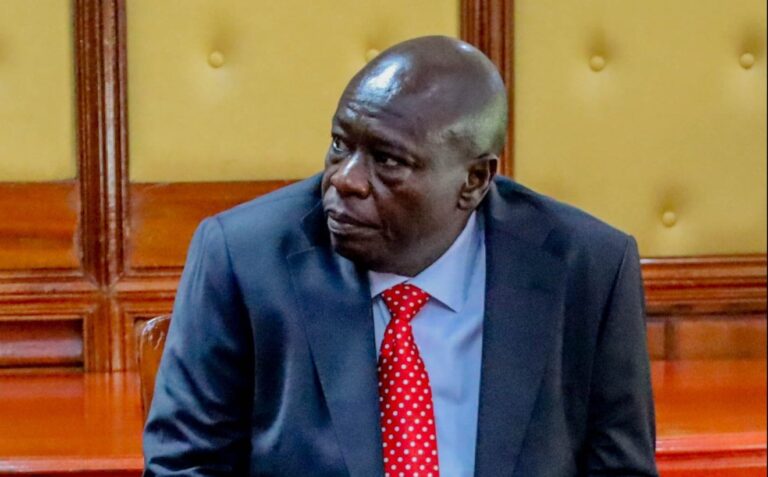
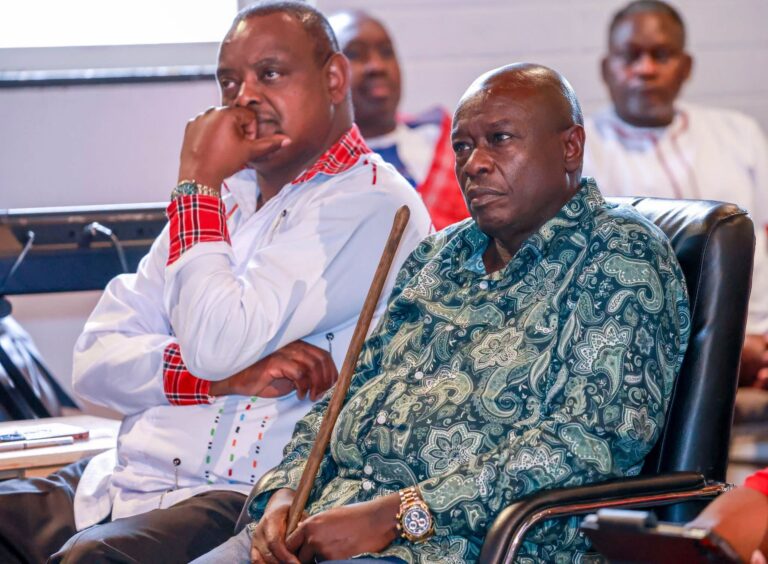
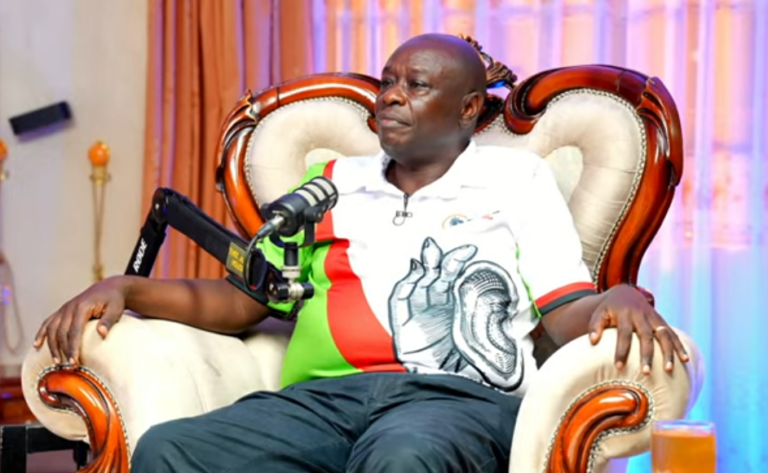
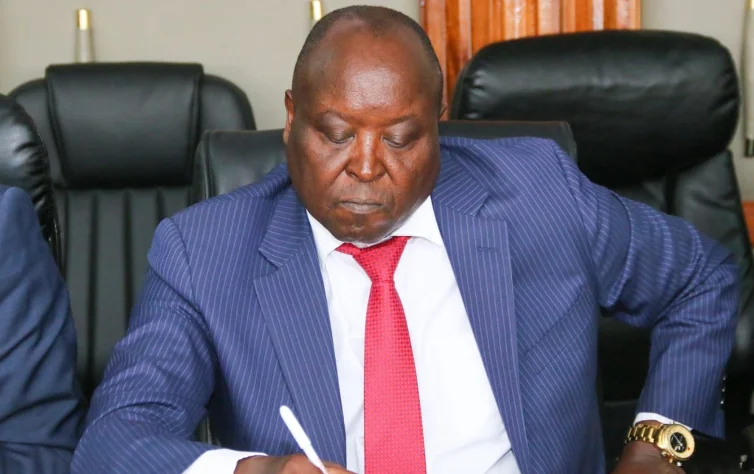
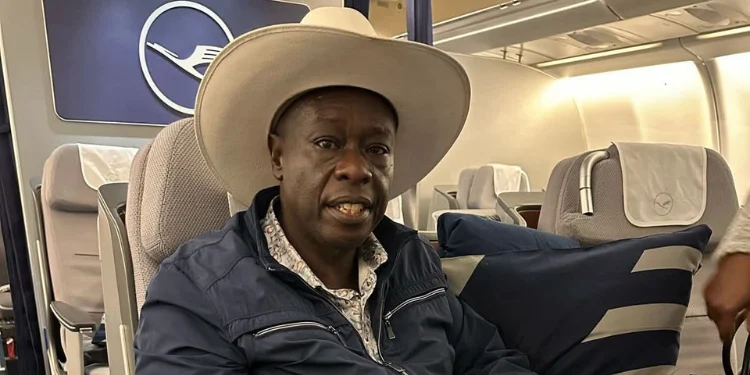
The latest court filings by Rigathi Gachagua have sparked fresh debate over his true political position. At a time when he presents himself as a key critic of the current administration, his own affidavit reveals that he still considers himself a bona fide member of the United Democratic Alliance (UDA), the party led by William Ruto.
Gachagua’s political troubles trace back to his impeachment, a historic process that saw him removed from office amid accusations ranging from abuse of office to promoting divisive politics. Lawmakers argued that his conduct was incompatible with the expectations of a Deputy President, ultimately leading to his ouster in a dramatic fallout within the ruling coalition.
However, what is now raising eyebrows is his position in court. In defending himself, Gachagua maintains that he remains a senior member of UDA and even argues that, as Deputy Party Leader, the party acted wrongly in supporting his impeachment. This position appears carefully calculated to strengthen his legal case by framing the process as both irregular and unjust.
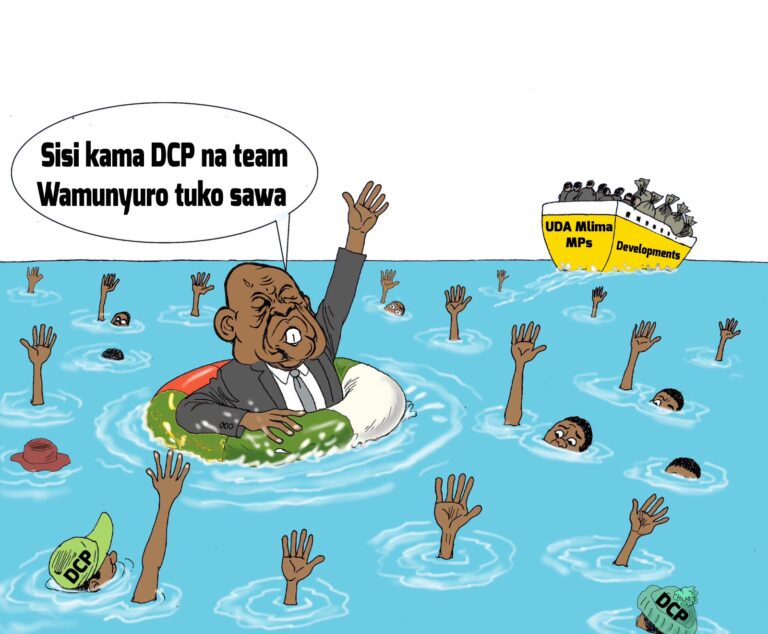
But politically, it creates a contradiction. How does a leader who now positions himself as heading a different political path still cling to membership in the very party he criticizes? To many observers, this raises the possibility of a double game—public opposition on one side, and strategic alignment on the other.
The situation leaves Kenyans questioning whether the apparent political rivalry is genuine or merely a carefully choreographed script. As the court battle unfolds, one thing is becoming clear: the line between opposition and alliance may not be as straightforward as it seems.
About the Author