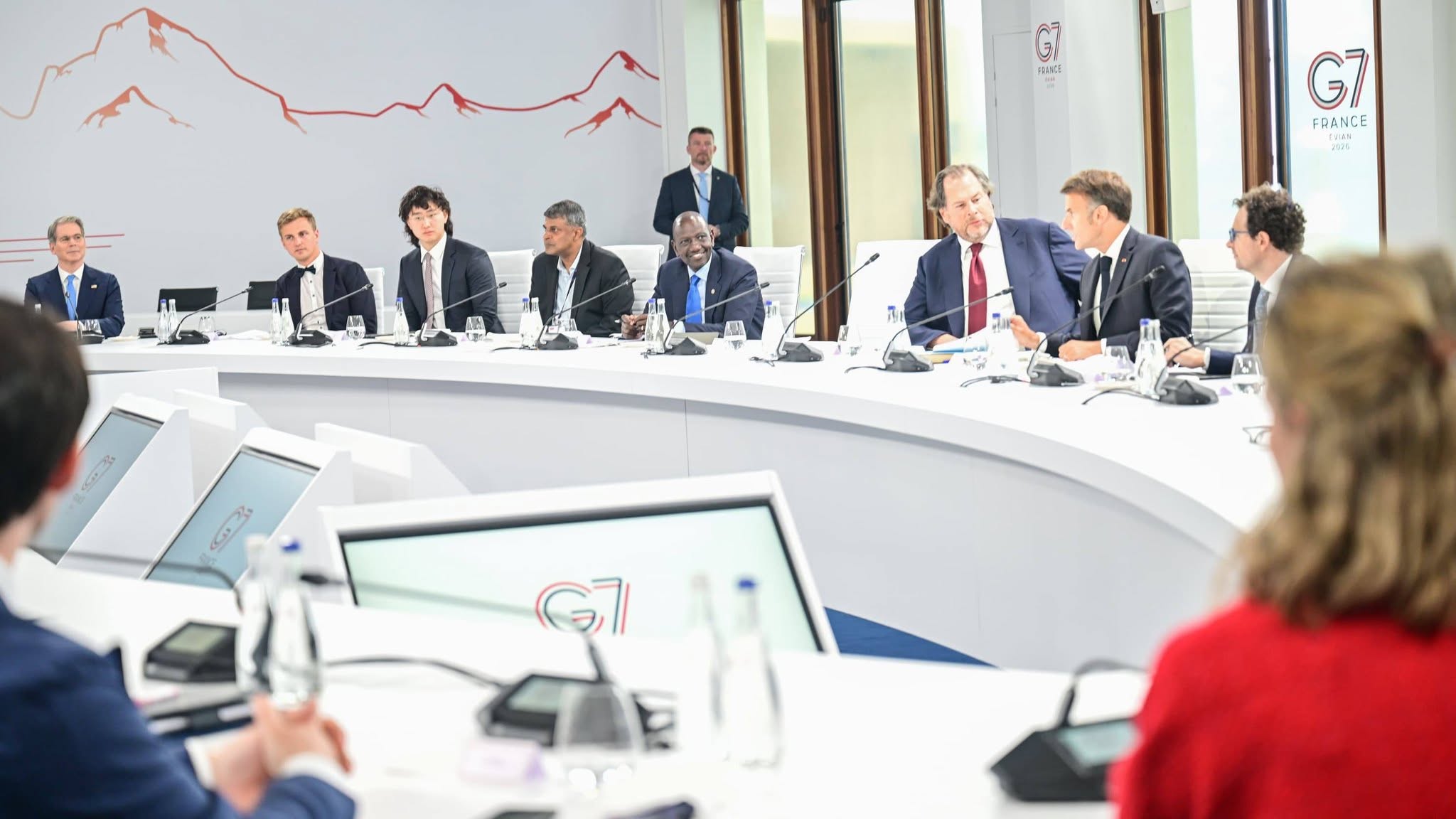
While some politicians are busy selling tribal grievances, old political grudges, and endless tales of betrayal, William Ruto is sitting at tables where the future of the global economy is being discussed.
The contrast is hard to miss.
One side is talking about who betrayed who, which community should be angry, and how power should be shared among political elites. The other side is discussing climate finance, trade, technology, renewable energy, digital transformation, food security, and Africa’s place in global decision-making.
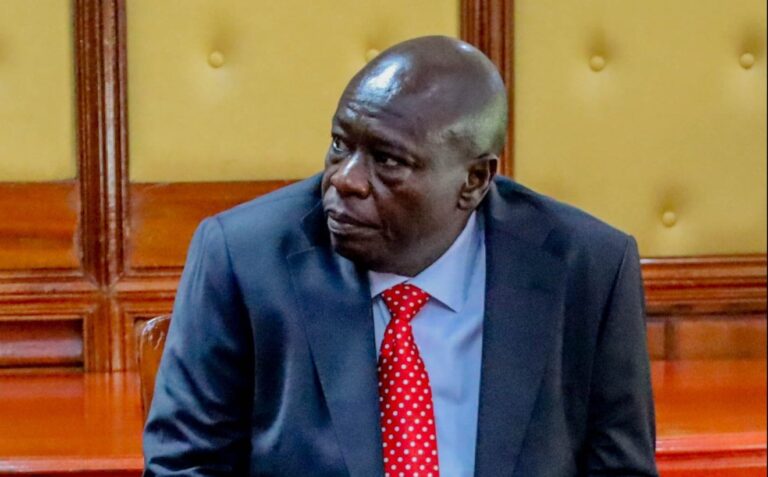
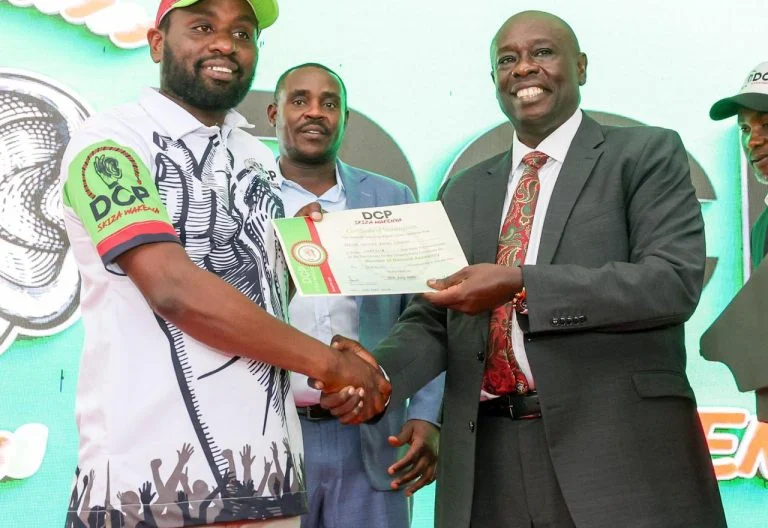
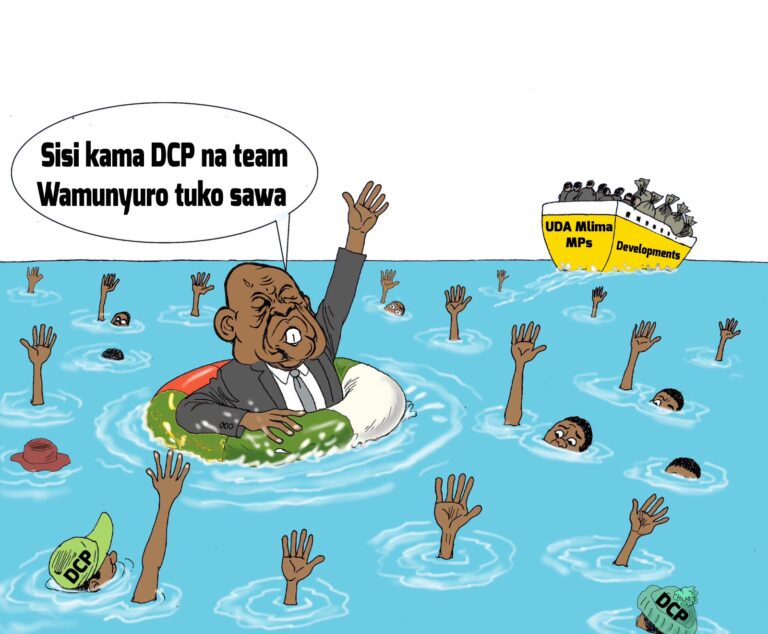
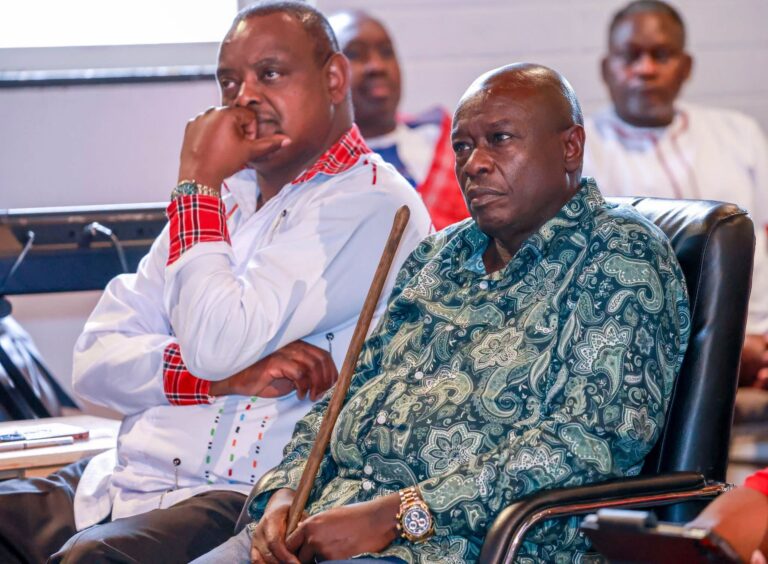
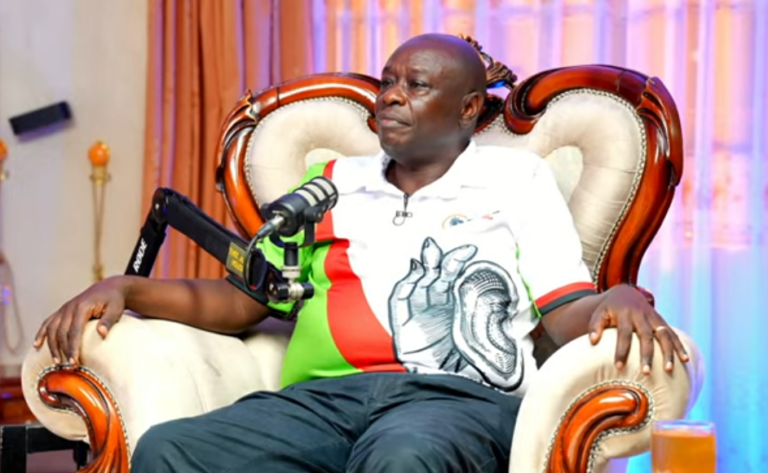
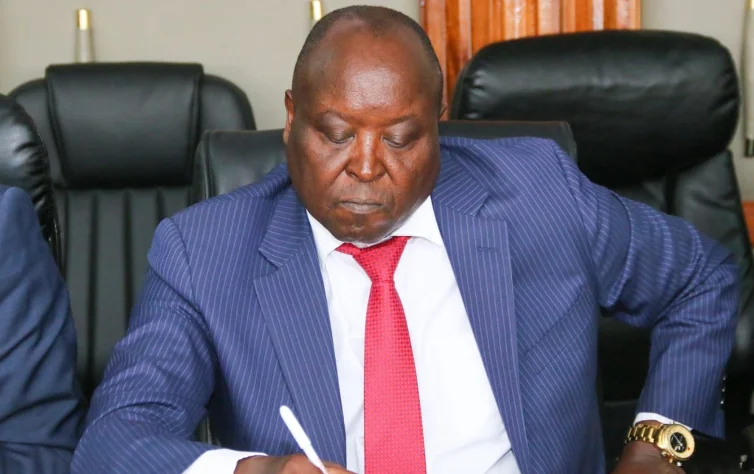
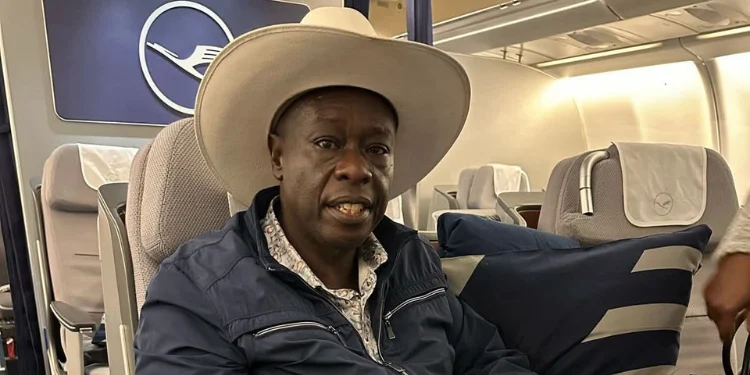
Gachagua’s politics revolves around tribal mobilisation and victimhood narratives. Kalonzo has spent close to four decades in government in various capacities, yet struggles to point to a transformative legacy that changed Kenya’s trajectory. Their coalition’s biggest unifying agenda appears to be removing Ruto rather than presenting a compelling vision for Kenya’s future.
Meanwhile, Ruto is positioning Kenya as a gateway to Africa, attracting investment, expanding trade opportunities, championing financial reforms for developing countries, and ensuring Kenya’s voice is heard among the world’s leading economies.
Elections are ultimately a competition of ideas, vision, influence and leadership. The question Kenyans must ask is simple:
When the world is discussing the future of energy, technology, trade, investment and global governance, do we want a leader whose value is recognised at the G7 table, or leaders whose politics remain trapped in tribal arithmetic, political bitterness and recycled promises?
Kenya cannot compete globally with yesterday’s politics. The future belongs to leaders who can place the country on the world stage, attract opportunities for its people, and turn international influence into jobs, investment and prosperity back home. That is the real contest before Kenyans.
About the Author