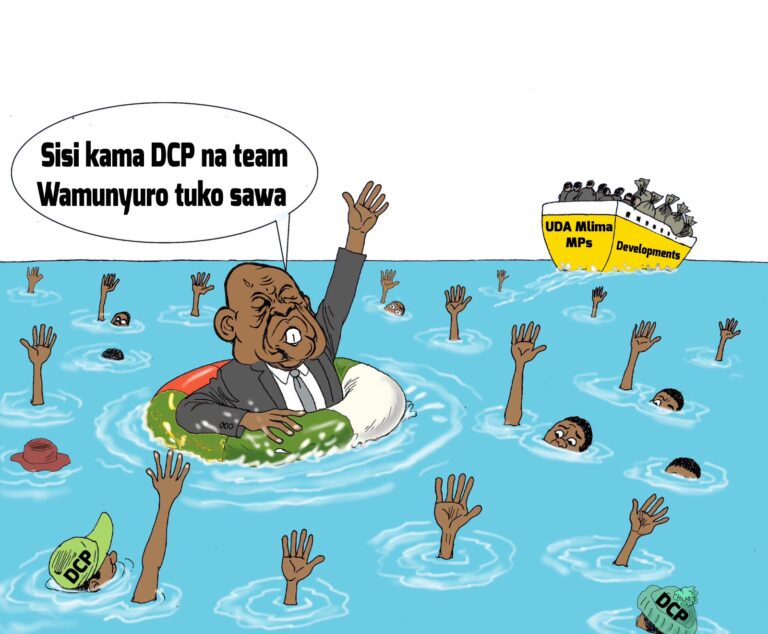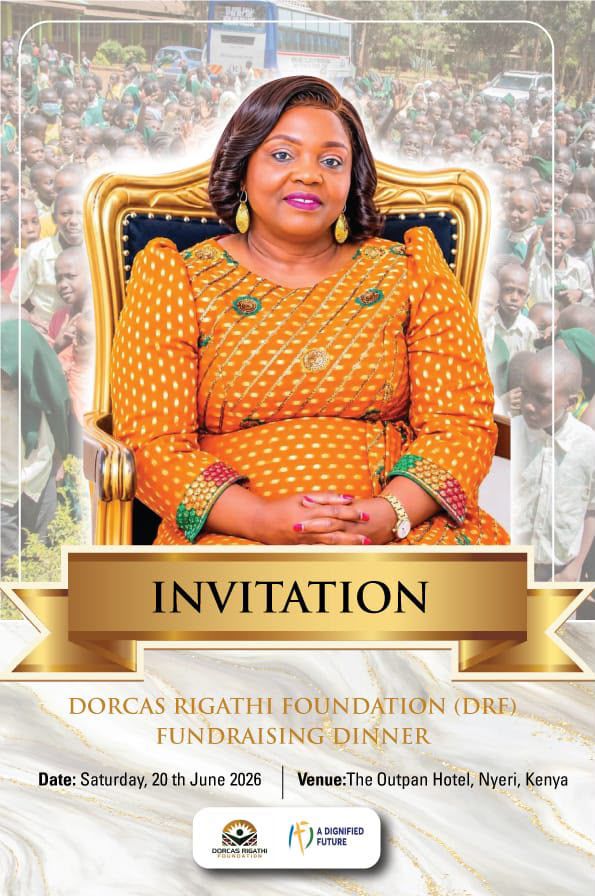
Tensions are reportedly rising within the Democracy for Citizens Party (DCP) after aspirants were instructed to make substantial mandatory contributions ahead of a high-profile fundraising dinner linked to the Dorcas Rigathi Foundation.
According to internal communications circulating among aspirants, each Member of Parliament aspirant is required to contribute Kshs 500,000, Senators Kshs 500,000, Governors Kshs 1 million, while MCAs are expected to part with Kshs 20,000. Sitting MPs and Senators are reportedly required to contribute Kshs 1 million each, Governors Kshs 5 million, and sitting MCAs Kshs 50,000.
Aspirants who fail to meet the requirement are allegedly warned that they will be removed from official party communication channels and denied opportunities to attend or engage in Rigathi Gachagua’s scheduled 45-day engagements in Wamunyoro.
The fundraising dinner, scheduled for 20th June 2026 at Outspan Hotel in Nyeri, is expected to raise approximately Kshs 250 million for the Dorcas Rigathi Foundation, an organisation associated with Dr Dorcas Rigathi that focuses on boychild empowerment, mentorship programs, family strengthening initiatives, and psychosocial support for vulnerable youth.
In addition to the mandatory contributions, attendees are also expected to pay Kshs 10,000 per seat for a buffet dinner at the prestigious hotel, further escalating complaints among aspirants who feel financially strained.
Several aspirants have privately expressed frustration, accusing the party leadership of commercialising political participation.
“This is no longer politics, it is a money minting machine. Every meeting is a fundraiser, every opportunity is monetised,” said one aggrieved parliamentary aspirant who requested anonymity.
Another senatorial aspirant questioned the fairness of the arrangement, saying: “We are being asked to finance both campaigns and personal foundations. It is becoming impossible for ordinary aspirants to compete under these conditions.”
Others warned that the escalating financial demands risk locking out credible but less wealthy candidates from political competition.
A gubernatorial hopeful further added: “If you cannot pay, you are essentially erased from party activities. That is not democracy; it is financial gatekeeping.”
Supporters of the initiative, however, argue that fundraising is a normal part of political and social mobilisation, especially for foundations engaged in community development and youth empowerment.
The Dorcas Rigathi Foundation has in the past focused on initiatives aimed at addressing challenges facing boys and young men, including mentorship, mental health awareness, and rehabilitation programs for vulnerable youth.
Despite this, the scale and structure of the current fundraising requirements have sparked heated debate within party ranks, with some aspirants openly questioning whether political participation is becoming increasingly tied to financial capacity rather than democratic engagement.
About the Author