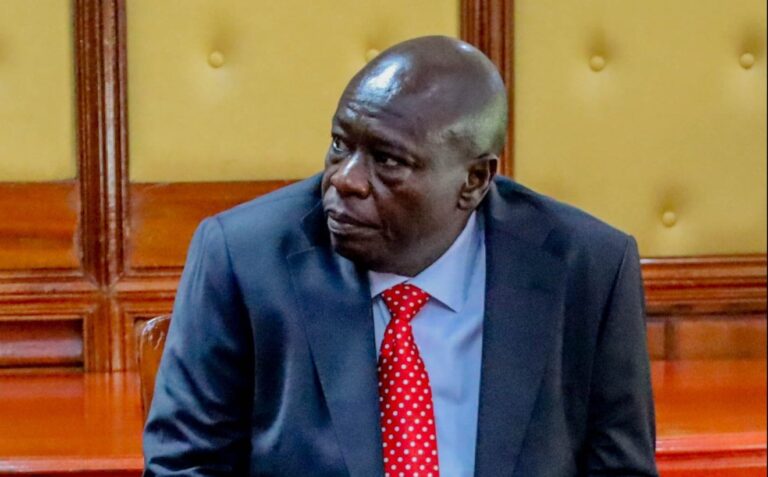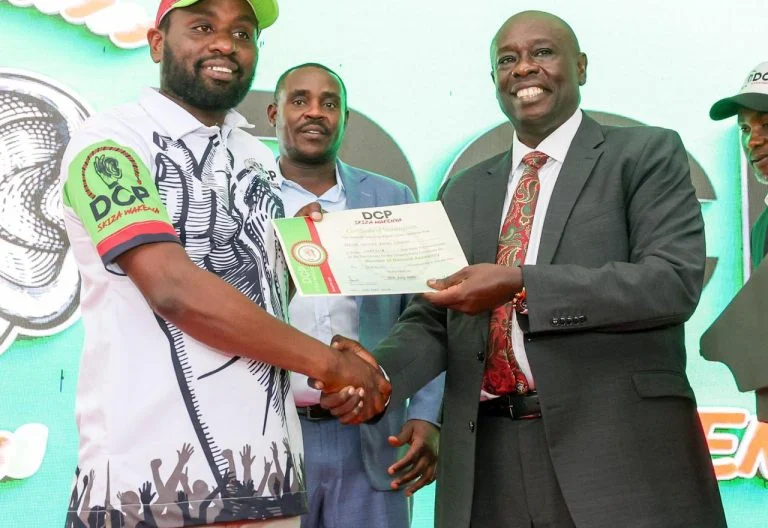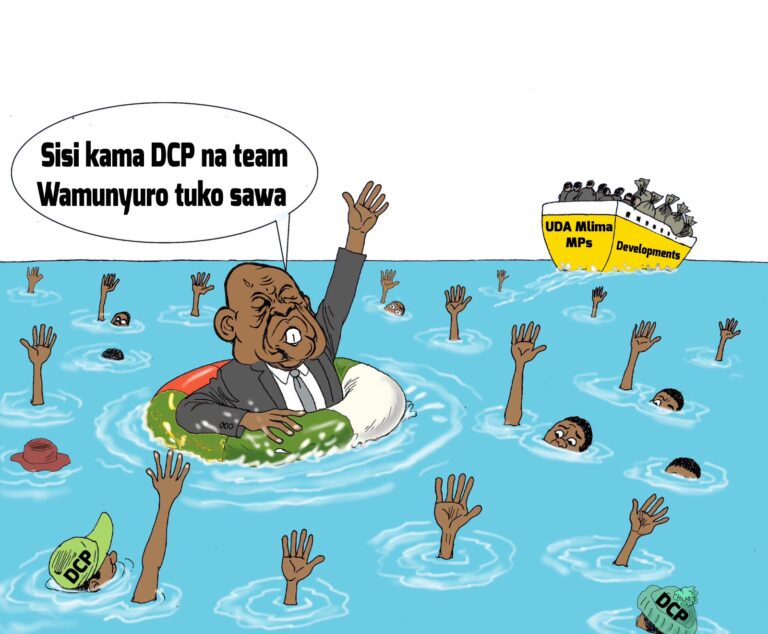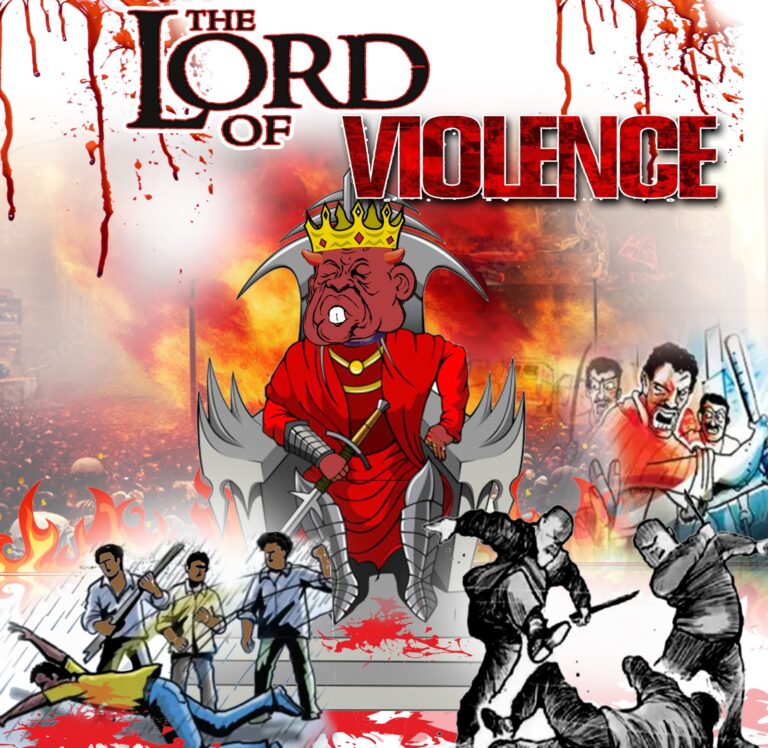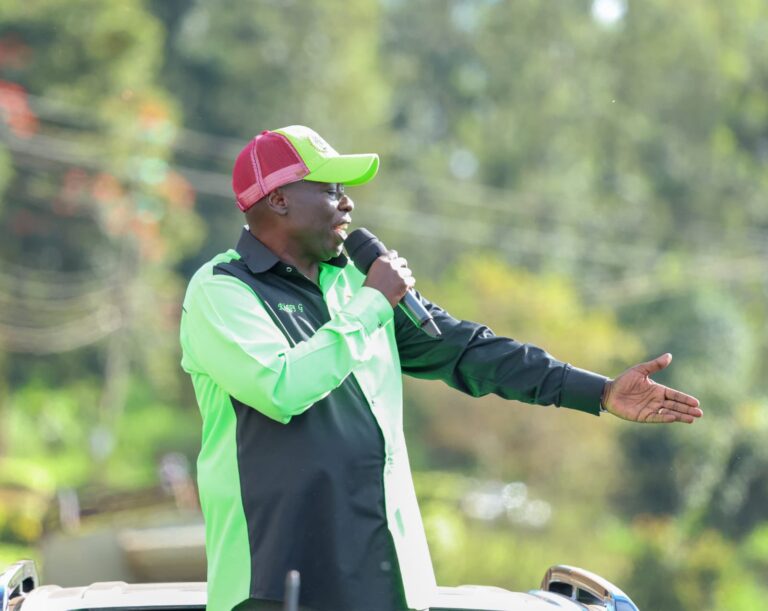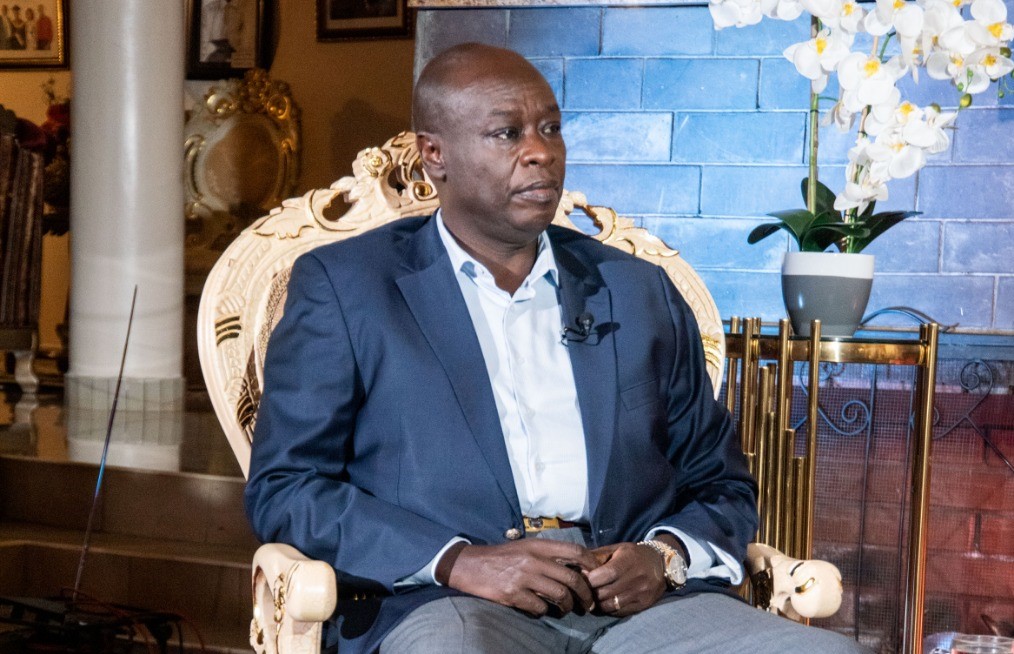
A growing number of political observers and leaders argue that Mt Kenya’s future requires leadership that moves beyond the style of politics associated with former Deputy President Rigathi Gachagua.
While Gachagua remains an influential figure in the region, critics contend that his political approach has increasingly revolved around confrontation, grievances, and loyalty tests rather than presenting a broader vision for economic growth and regional development. They argue that Mt Kenya voters are increasingly focused on issues such as job creation, business opportunities, agricultural reforms, and improved service delivery.
One of the main criticisms leveled against Gachagua is that his politics often appear centered on division rather than unity. His detractors say that constant political battles and public disputes risk deepening tensions within the region at a time when many residents are looking for leaders capable of building consensus and forging productive partnerships across the country.
Others argue that the region’s political discourse should be shifting away from personality-driven politics toward issue-based leadership. According to this view, the future of Mt Kenya cannot depend on a single individual claiming to be the sole spokesman of the community. Instead, leadership should emerge from ideas, performance, and the ability to deliver tangible results for the people.
Critics further maintain that political influence is not permanent. They note that leadership positions are temporary and that every generation must be allowed to choose its own representatives based on current realities and changing priorities. In their view, no politician can permanently own the loyalty of an entire region.
Supporters of this perspective believe that Mt Kenya’s strength lies in its diversity of opinions, leaders, and political choices. They argue that the region will be better served by encouraging competition of ideas rather than concentrating influence around one political figure.
As the country gradually shifts its focus toward the 2027 General Election, the debate over who should lead Mt Kenya politically is expected to intensify. However, for many observers, the central question is no longer whether Gachagua remains influential, but whether the region’s future requires a new generation of leadership focused on unity, development, and national relevance.
About the Author