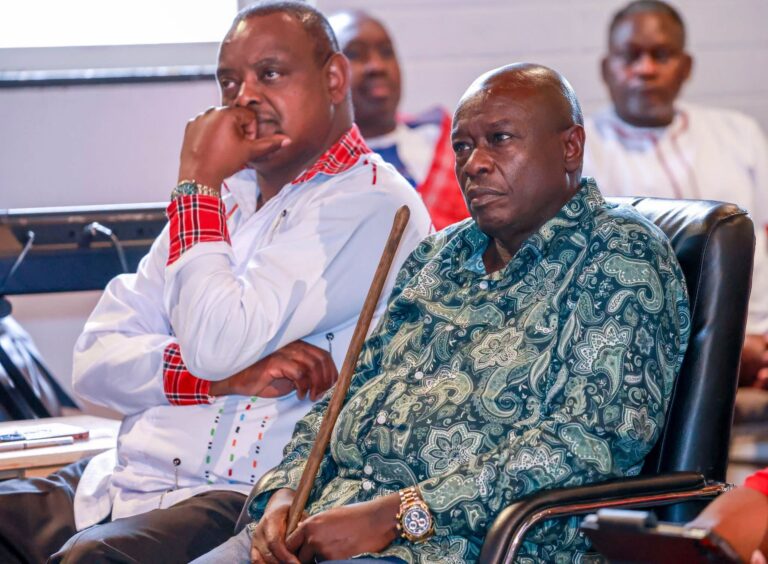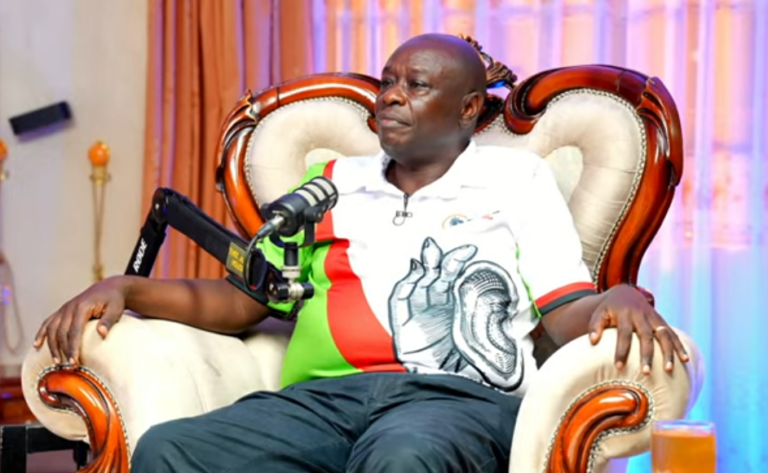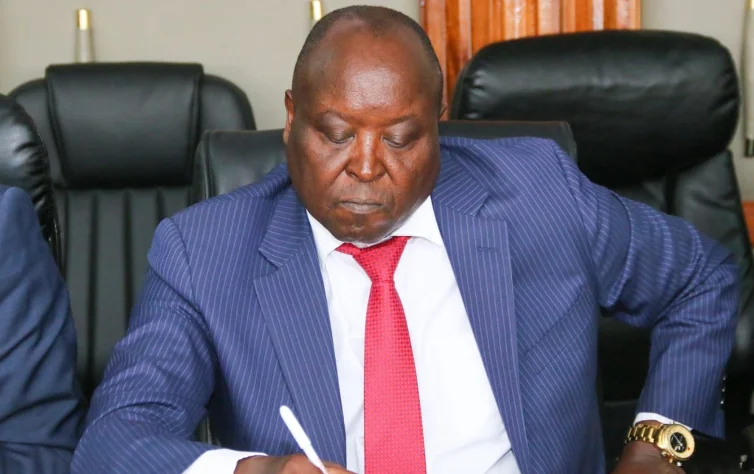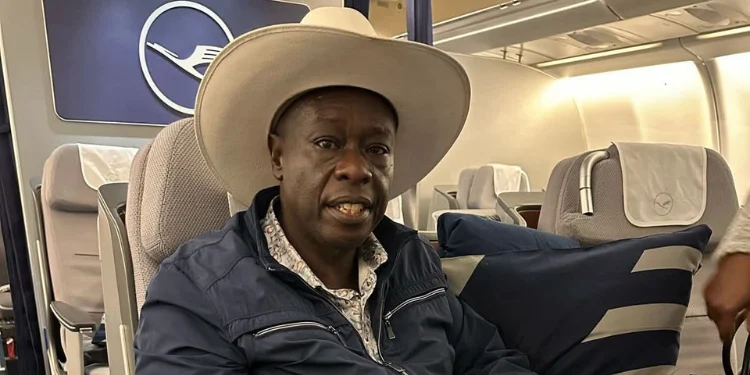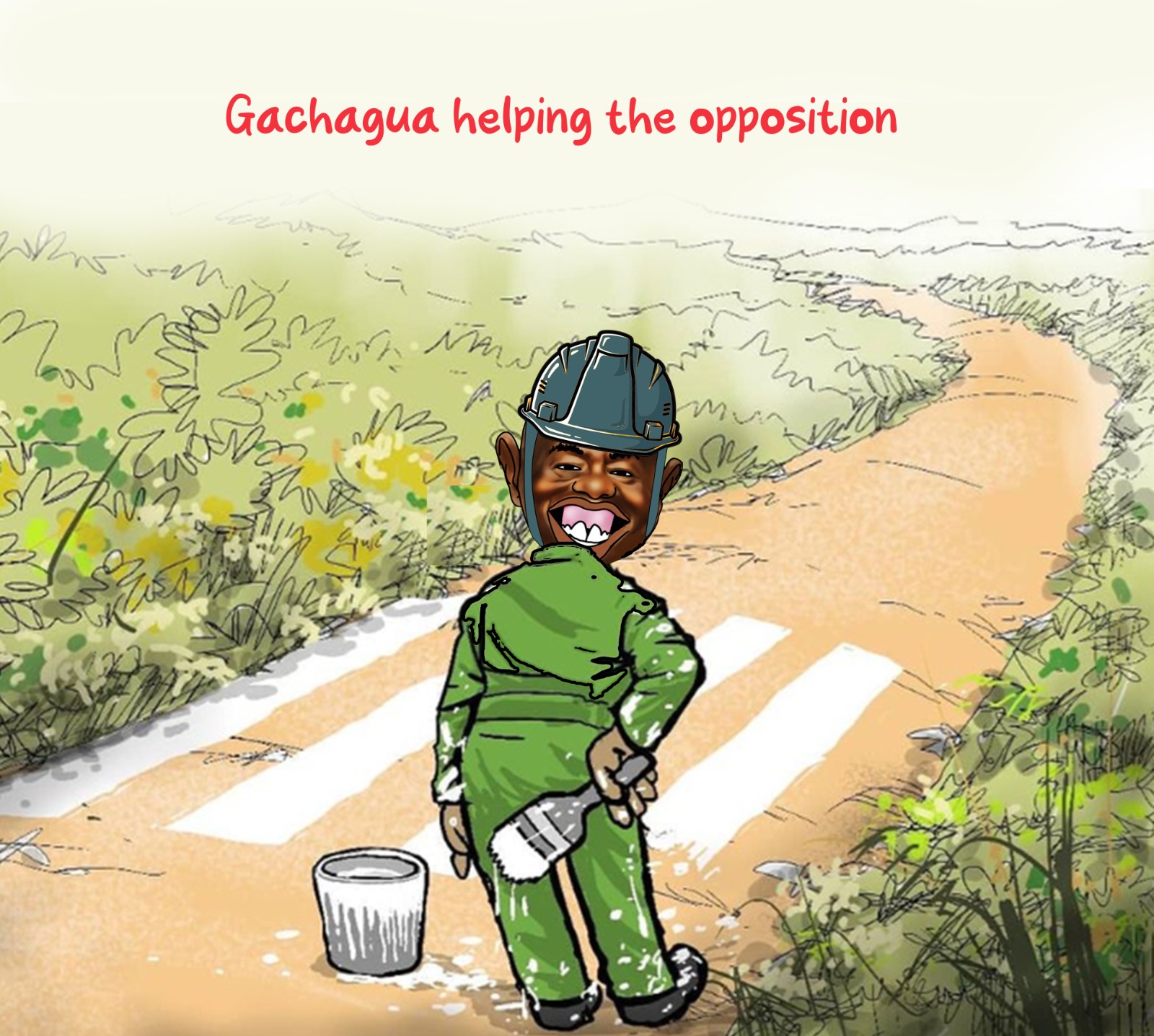
Kenya’s politics can be dramatic, but sometimes major events push the country to reflect. The impeachment of Rigathi Gachagua sparked such a moment. For many Kenyans, it was not just about one leader leaving office — it raised bigger questions about leadership, unity and the future of national politics.
Gachagua built his image as a bold and outspoken defender of his region. His supporters admired his toughness and willingness to speak without fear. However, critics felt his style of politics often leaned too heavily on ethnic identity. In a diverse country like Kenya, leadership that appears tribal can create tension and fear rather than unity.
Another concern raised during his time in office was communication. National leaders are expected to calm the political environment and give direction during difficult moments. Yet, frequent controversies and combative statements sometimes overshadowed policy discussions. This created the perception of a leader more focused on political battles than long-term solutions.
The impeachment process therefore became more than a legal or political procedure. It turned into a national debate about the kind of leadership Kenyans want. Many citizens began asking whether the country needs leaders who mobilize emotions or leaders who build consensus and focus on development.
Importantly, the moment also highlighted the strength of Kenya’s democratic institutions. Impeachment, regardless of political interpretation, showed that public officials can be held accountable through constitutional processes.
In the end, opinions about Gachagua remain divided. But the broader lesson stands: Kenya’s progress depends on leaders who unite communities, communicate responsibly and place national interest above political theatrics. For many observers, the impeachment was not just an end — it was a chance for reflection and a reset on the standards of leadership the country deserves.
About the Author