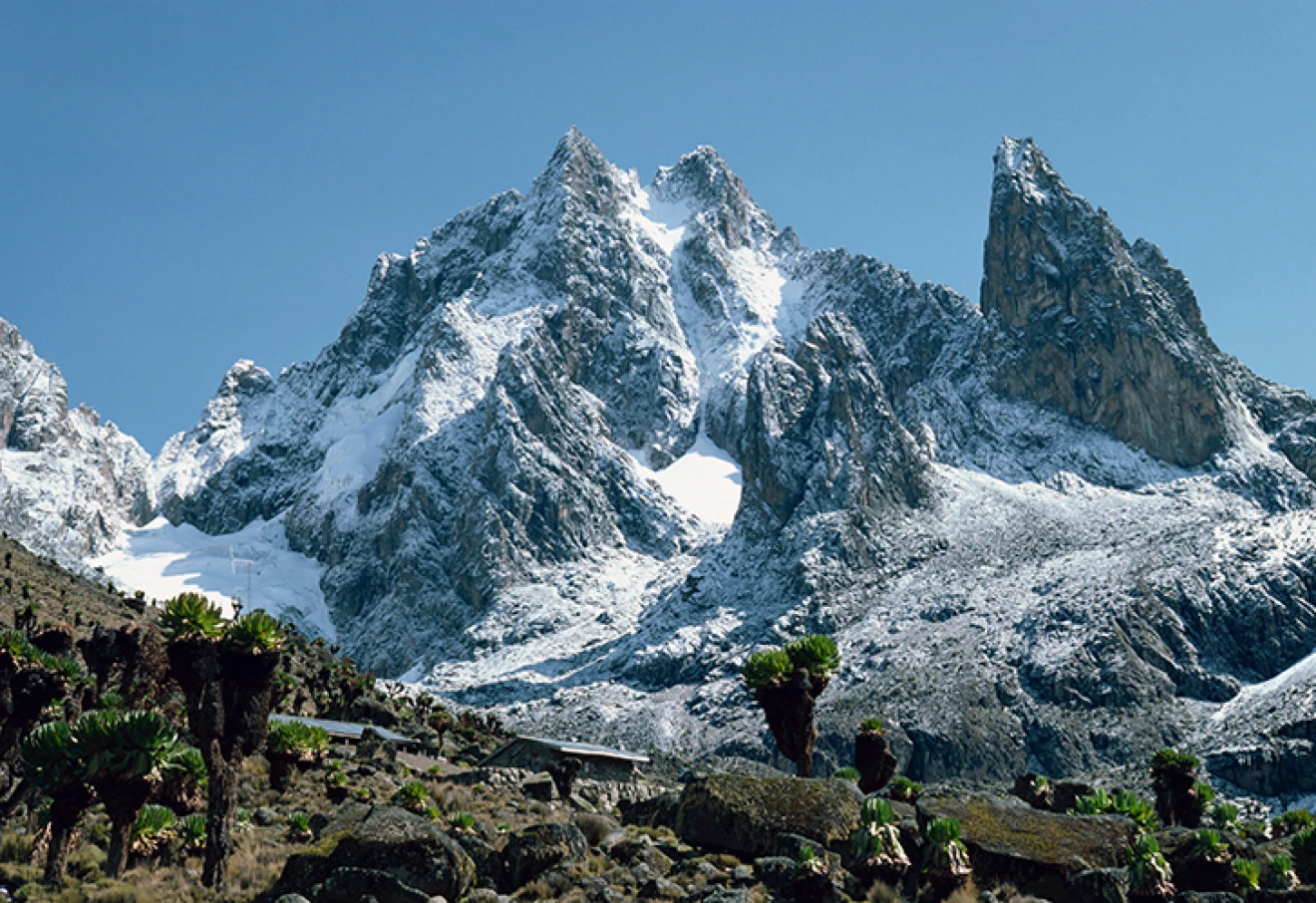
Mt Kenya’s political strength has long rested on its voting power, economic influence and ability to negotiate as a united bloc. But growing concerns are emerging that the region’s influence could be reduced to a tool for elite political bargaining as former Deputy President Rigathi Gachagua intensifies his bid to consolidate regional control.
At the centre of this concern is a strategy that appears to frame Mt Kenya’s loyalty as negotiable political capital. By presenting himself as the region’s chief spokesman and rallying leaders to align with his political direction, Gachagua risks turning the community’s electoral strength into a personal bargaining asset in future coalition talks. Analysts argue that when a region’s political voice is narrowed to one figure, its collective development agenda can easily be overshadowed by power negotiations.
The push to build a network of loyal governors, senators and MPs further reinforces fears of bloc politics driven by personal influence. While political unity can strengthen negotiations, critics warn that loyalty-based alignment may prioritise political survival over policy debates on agriculture, trade, manufacturing and youth employment — issues central to Mt Kenya’s economy.
Gachagua’s shifting political tone, oscillating between strong criticism of the government and openness to future cooperation, has also fuelled perceptions of tactical positioning. Such moves suggest a calculated effort to maximise leverage rather than secure consistent development partnerships, raising anxiety that the region’s support could be traded for political advantage.
This dynamic creates uncertainty for both national planners and investors, who often prefer predictable regional leadership when committing resources to infrastructure and economic projects. As a result, Mt Kenya risks losing opportunities if its politics appear transactional rather than development-focused.
Ultimately, the growing perception of power-centred politics places Mt Kenya at a delicate crossroads — where its influence could either drive meaningful development or be reduced to a bargaining chip in Kenya’s shifting political alliances. It’s upon Mt Kenya to decide whether they want development or Gachagua’s empty rhetoric.
About the Author