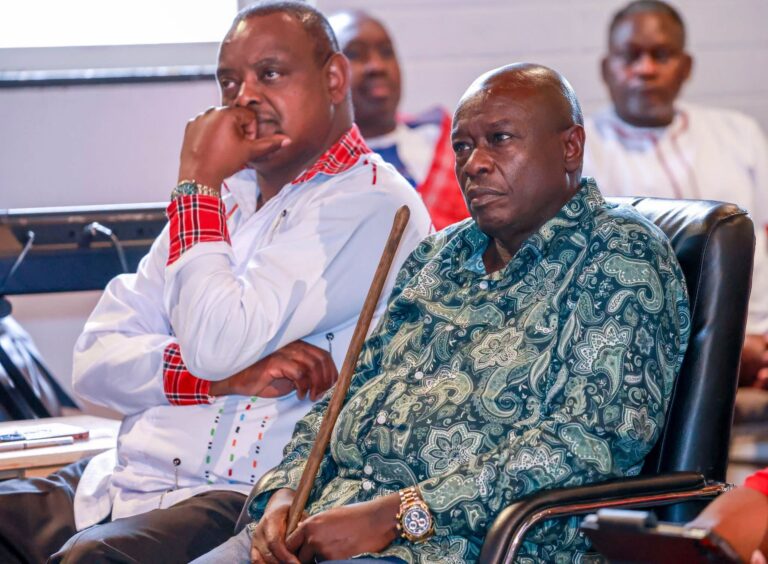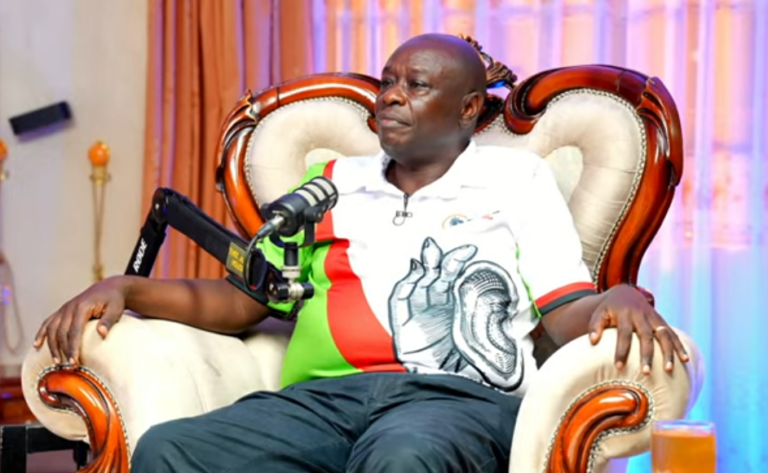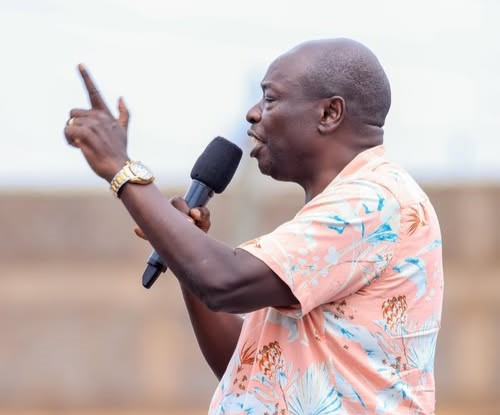
Kenyan politics has once again exposed its shifting loyalties after former Deputy President Rigathi Gachagua signalled that his Democracy for Citizens Party (DCP) could work with the government — including President William Ruto and the ruling United Democratic Alliance.
Speaking during an interview with Kalenjin vernacular stations, Gachagua said he had no problem collaborating with the government, a statement that has stirred debate about the consistency of his political messaging. For months, the former deputy president has sharply criticised the administration, urging Mt Kenya residents to feel sidelined and politically betrayed.
Critics now argue that the latest remarks reveal a deeper pattern in Kenya’s politics — where leaders mobilise emotions and regional identity to build personal bargaining power rather than secure tangible development for voters. Analysts say the willingness to work with the same government previously accused of neglect raises questions about whether the political confrontations were driven by principle or positioning.
There is growing concern that Mt Kenya could become a bargaining chip in elite negotiations. Observers warn that pushing the region into confrontational politics risks slowing government engagement on key development priorities such as infrastructure, agriculture support and job creation. Yet the possibility of post-election cooperation suggests political rivalry may ultimately give way to personal deals.
Gachagua’s push to have Mt Kenya elect DCP governors, senators, MPs and women representatives has also drawn scrutiny. Some analysts interpret this strategy as an attempt to consolidate a loyal voting bloc that could later be used to negotiate power with the national government.
For many residents, the dilemma is increasingly clear: whether to embrace hardline political loyalty or prioritise development partnerships regardless of political alignments. As Kenya moves closer to the 2027 elections, the unfolding political manoeuvres risk reinforcing public cynicism — and leaving voters questioning whether their interests or political ambitions are truly at the centre of the contest.
About the Author